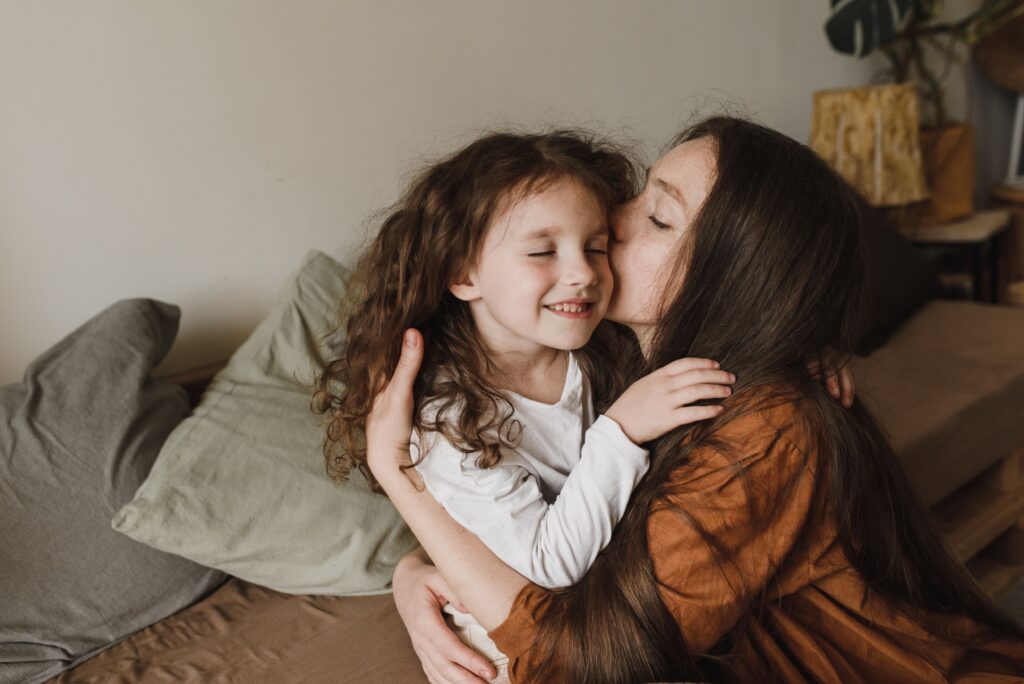
Kids remember more than we think: the first day of school, the recital, the game, but the quiet in-between ones: the tone in your voice when they showed you their drawing, the words you used when they got something wrong, the look on your face when they tried something hard and failed.
Words of encouragement for kids are the raw material children use to build the story they tell about themselves. The list below phrases that actually stick, the kind that help a child feel capable, seen, and safe enough to keep trying.
1. Phrases That Praise Effort, Not Outcome
When a child hears “you’re so smart,” they often learn to avoid challenges because failure would disprove that label. But when they hear “I love how hard you worked on that,” they learn that effort is the variable they can control. That shift is small in the moment and enormous over a lifetime.
Try these:
“You kept going even when it got tough, and that’s what matters.”
“I saw how much effort you put into that.”
“The fact that you tried is what I’m most proud of.”
“Working hard at something is more important than getting it perfect.”
“You didn’t give up, and that says a lot about you.”
2. Words That Make Them Feel Seen
One of the deepest needs a child has is to feel like someone actually notices them, not just their grades or their behavior, but them. Specific, personal words of encouragement for kids do that better than any generic compliment.
Try these:
“I noticed how kind you were to your friend today.”
“You were really patient just now, and I don’t think you even realized it.”
“That was such a thoughtful thing to do.”
“I love the way your mind works.”
“You asked such a good question just now.”

3. Phrases For When They’re Struggling Or Frustrated
Frustration is where confidence either grows or quietly collapses. What a child hears in their hardest moments tends to echo the longest. Instead of jumping to solutions, try sitting in it with them first.
Try these:
“It’s okay to feel frustrated. That feeling means you care.”
“Hard things take time, and you’re doing it.”
“You don’t have to figure this out all at once.”
“Mistakes are just proof that you’re learning something new.”
“I believe in you, even when you don’t believe in yourself right now.”
4. Words That Build Emotional Safety
Kids who feel emotionally safe take more risks, learn faster, and recover from setbacks better. A lot of that safety gets built through the small, repeated phrases they hear every day.
Try these:
“You can always talk to me, no matter what.”
“Your feelings make sense, even when things feel messy.”
“You don’t have to pretend to be okay around me.”
“I’m on your side, always.”
“There’s nothing you could do that would make me stop loving you.”
5. Phrases For After A Failure Or Disappointment
How adults respond to a child’s failure teaches that child how to respond to their own failures for the rest of their life. That’s not an exaggeration; it’s one of the most consistent things developmental research shows us.
Try these:
“That didn’t go the way you wanted, and that’s really disappointing. I get it.”
“Failing at something doesn’t mean you’re a failure.”
“What do you think you’d do differently next time? I’m curious.”
“Every person who’s ever been good at something failed at it first.”
“You’re allowed to be upset about this. And when you’re ready, we’ll figure out what’s next.”

6. Words That Build Independence And Self-Trust
Things to say to build a child’s confidence often come down to this: help them trust their own judgment by showing them you believe they’re capable of thinking things through.
Try these:
“What do you think the right thing to do is here?”
“I think you already know the answer to that.”
“Trust yourself on this one.”
“You’ve handled hard things before, and you’ll handle this one too.”
“I trust your instincts.”
7. Phrases That Celebrate Who They Are, Not Just What They Do
Achievement-based praise teaches kids their worth is conditional. The most grounding words of encouragement for kids are the ones that have nothing to do with performance at all.
Try these:
“I’m so glad you’re you.”
“The world is a better place with you in it.”
“You make our family better just by being here.”
“I love spending time with you.”
“You’re one of my favorite people.”
8. Quiet, Everyday Phrases That Add Up Over Time
These are the kind of things you say on a morning or in the car on the way home, and they matter precisely because of their ordinariness.
Try these:
“I’m proud of you.”
“You’ve got this.”
“I knew you could do it.”
“Keep going.”
“I see you working really hard.”
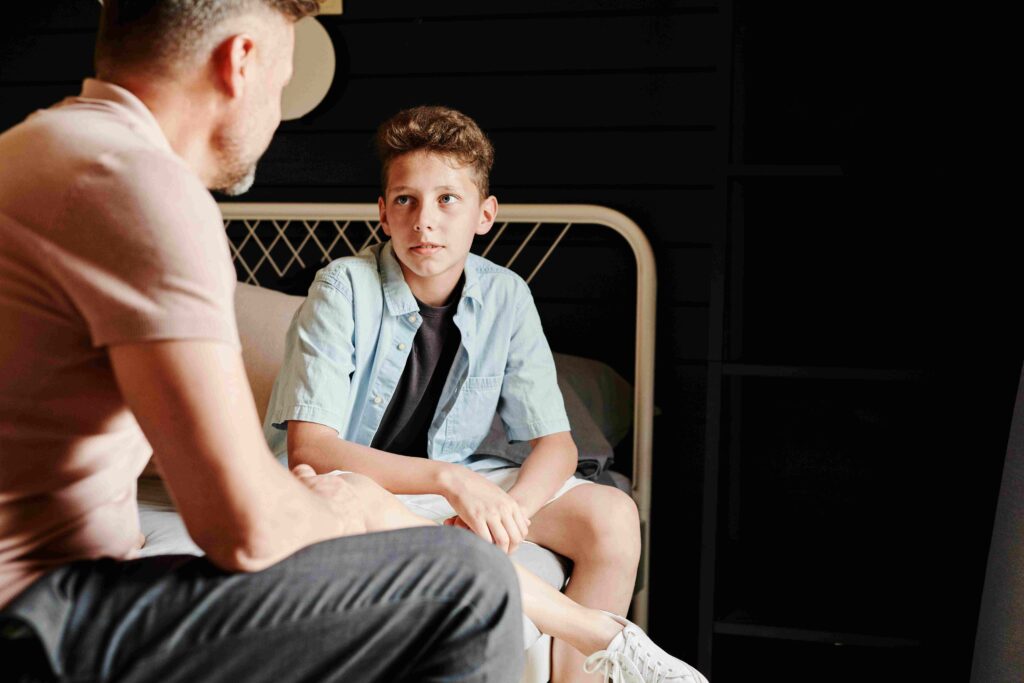
9. What To Say When They Compare Themselves To Others
Kids pick up comparison early, from classrooms, from social media, from siblings, from everywhere. Learning how to gently redirect that without dismissing the feeling is one of the most useful things to say to build a child’s confidence.
Try these:
“You’re not in a race with anyone. You’re on your own path.”
“The only person worth comparing yourself to is who you were yesterday.”
“What someone else can do doesn’t change what you’re capable of.”
“Your story is different from theirs, and that’s a good thing.”
“I don’t want you to be like anyone else. I want you to be more of yourself.”
Key Takeaway
The words on this list won’t all land the same way for every child. Some kids need more of the emotional safety phrases; others need to hear their effort named out loud.
However the through line is the same across all of them: words of encouragement for kids work best when they’re honest, specific, and repeated often enough to become part of how a child understands themselves.
Want to understand the deeper reason these phrases work, and which common ones quietly do the opposite? Read: How Words of Encouragement for Kids Shape How They See Themselves