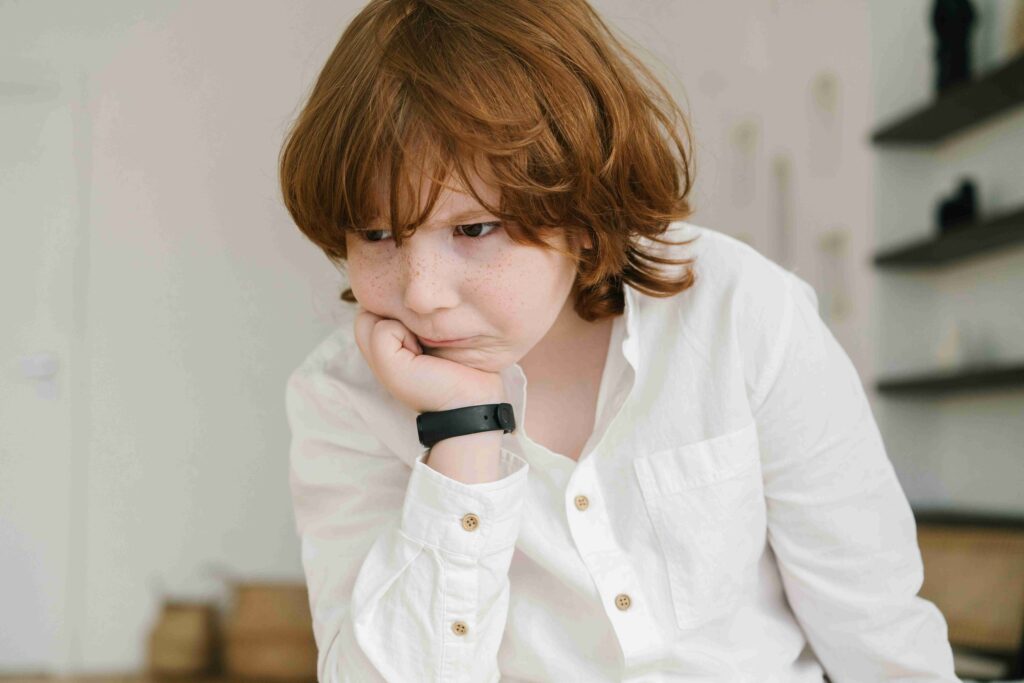
Long before a child has the language to describe who they are, they’re collecting evidence. Every reaction from a parent, every comment from a teacher, every casual phrase dropped in the middle of a busy afternoon gets filed away somewhere, and over time that collection becomes something that functions like a mirror. What a child sees in that mirror, their sense of capability, worth, their sense of whether the world is a safe place to try things and fail, gets built largely from the words of encouragement for kids they hear repeated throughout their early years.
This is one of the most well-documented areas in developmental psychology, and it has real, lasting consequences for how children grow into adults who either trust themselves or quietly don’t.
The Mirror Children Build From Words
Children are extraordinarily sensitive to the emotional meaning beneath language, often more than the words themselves. A child who’s told “good job” a hundred times in a flat, distracted tone learns something different than a child who hears “I noticed how patient you were just now” delivered with full attention. One is a verbal reflex. The other is proof that someone was actually watching.
The psychologist Carol Dweck spent decades researching exactly how this works, and what she found is striking: children who are praised for their intelligence tend to become risk-averse, because every challenge becomes a potential threat to the label. But children who are praised for their effort tend to lean into difficulty, because they’ve learned that struggle is just part of the process. Words of encouragement for kids that focus on process over outcome literally produce different neural patterns around learning and resilience.
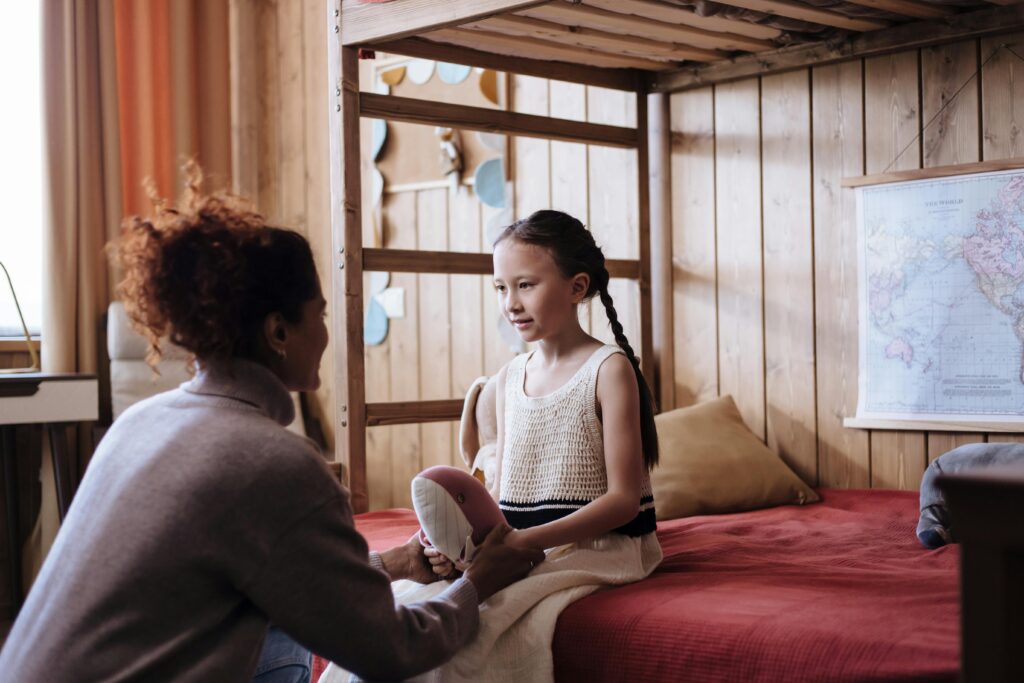
What Building Confidence Actually Means
The word confidence gets used loosely, and it’s worth slowing down on what it actually describes. Real confidence in a child is something quieter and more structural: a baseline belief that they’re capable of handling what comes at them, that their feelings are valid, that failure doesn’t erase their worth, and that the people who love them see them clearly.
That kind of confidence comes from things to say to build a child’s confidence that are earned and specific. “You kept going even when it was really hard” builds genuine confidence. “You’re the best” builds a dependency on external validation that tends to collapse under pressure.
The distinction matters because one of these prepares a child for the world as it actually is, full of setbacks, comparison, and moments where effort doesn’t immediately pay off, while the other prepares them for a world where their worth is always confirmed. That second world doesn’t exist, and children who’ve only been told they’re great tend to struggle more, not less, when reality doesn’t cooperate.
The Phrases That Quietly Work Against Us
Most adults who say the wrong things to children are doing it lovingly, with every intention of helping. That’s what makes this part worth paying attention to.
“You’re so smart” is probably the most common confidence-killer disguised as a compliment. As Dweck’s research shows repeatedly, children who internalize a fixed identity around intelligence become more fragile, not more capable. They start avoiding things they might not be immediately good at, because being wrong would threaten the label.
“Don’t cry, you’re fine” is another one that seems harmless and actually does quiet damage over time. When a child hears their emotional experience denied repeatedly, they don’t stop feeling the feeling. They learn that their feelings aren’t welcome, that they need to manage their emotions privately, and that the people around them aren’t safe places to be vulnerable. That lesson travels into adulthood in ways that are hard to untangle.
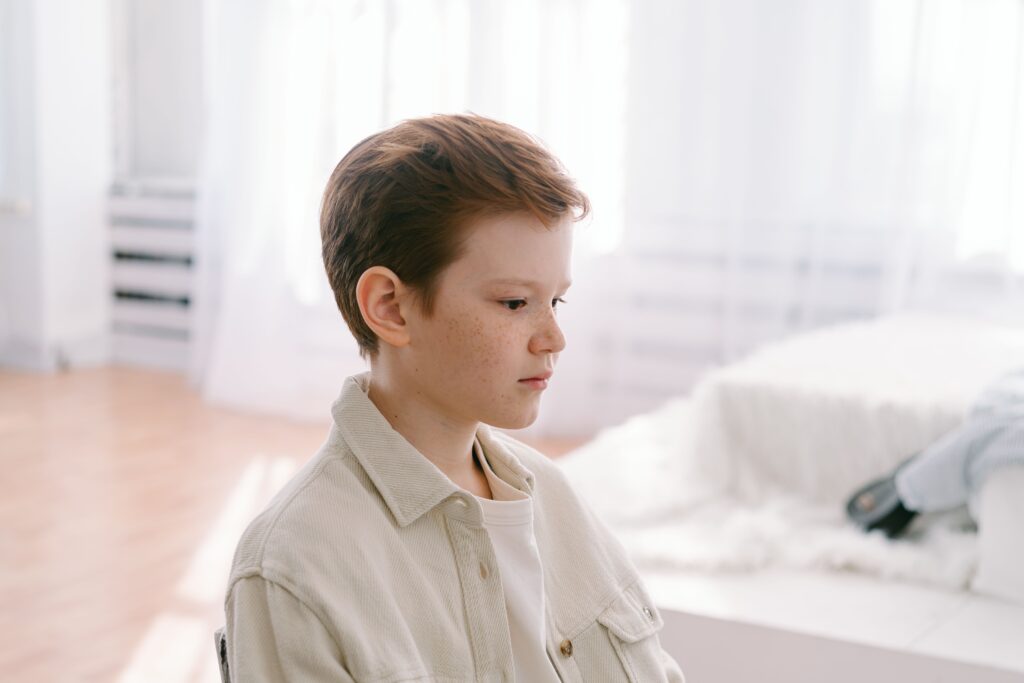
“Why can’t you be more like…” is a phrase that probably needs no explanation, and yet it keeps showing up because comparison feels like a useful motivator to adults. It isn’t. To a child, it communicates that who they are right now isn’t enough, and that love or approval is contingent on becoming someone different. The research on sibling comparison specifically shows long-term effects on self-esteem that persist well past childhood.
“You always do this” and “you never listen” are the kind of totalizing statements that children absorb as identity facts. Kids don’t yet have the cognitive development to hear “you always do this” and think “that seems like an overstatement made in frustration.” They hear “this is who I am,” and they tend to become it.
How Emotional Safety Changes Everything
One of the most important findings in child development research is that emotional safety is actually the foundation that determines whether encouragement works at all. A child who doesn’t feel safe, whose home environment is unpredictable or whose feelings are regularly dismissed, can hear all the right phrases and not absorb them, because their nervous system is too busy scanning for threat to process reassurance.
Things to say to build a child’s confidence are most effective when they’re delivered inside a relationship that already feels safe. That means consistency matters more than the perfect phrase. A parent who says “I’m proud of you” occasionally but is often distracted or reactive will have less impact than one who says imperfect things but shows up reliably, listens fully, and repairs quickly when they get it wrong.

Repair is actually underrated. When an adult says something harsh and then comes back and says “I was frustrated earlier and I said something I didn’t mean, I’m sorry,” they’re not just modeling accountability. They’re showing the child that relationships can hold conflict and come back from it, which is one of the most resilience-building experiences a child can have.
The Cumulative Effect
No single phrase makes or breaks a child’s self-image. What shapes them is the pattern, the cumulative emotional weather of the environment they grow up in. A child who hears “I believe in you” more often than “you’re a disappointment,” who’s told their effort matters more than their result, who feels seen in specific ways rather than praised in generic ones, that child is building something durable.
The goal isn’t perfect parenting or teaching. It’s directional consistency: more often than not, are the words landing in a way that tells this child they’re capable, they’re loved, and they’re allowed to be exactly where they are right now?
Words of encouragement for kids aren’t magic. However, over thousands of ordinary moments across childhood, they add up to something that functions a lot like it: a person who walks into the world believing, at their core, that they’re worth something and that hard things are worth attempting.

Key Takeaway
The words we use with children describe them, and also help define them. Specific, effort-focused, emotionally honest encouragement builds the kind of confidence that holds up under pressure, while generic praise and identity-based labels tend to do the opposite. It’s never about saying the perfect thing at every moment. It’s about the pattern being warm, consistent, and grounded in seeing the child as they actually are.
Before You Go
If something in this article brought a specific child to mind, that instinct is worth following. You don’t need a script or a perfect plan. You just need to show up tomorrow and try one phrase that’s a little more specific, a little more honest, a little more theirs.
Children just need adults who keep trying, who notice them, and who say out loud the things they most need to hear: that they’re capable, that they’re seen, and that who they are right now is already enough.
How do you shift your language when praising the kids in your life? Drop your experiences, your favorite go-to phrases, or the generational habits you’re trying to break in the comments section below so we can keep learning together.