
When two people grow closer, their worlds slowly begin to overlap. And eventually, families enter the picture as well.
At first, these introductions can feel warm and natural. There is the shared meal, the childhood stories, and the sense that two separate parts of your life are finally connecting.
Over time, many couples discover that bringing families into a relationship introduces something far more complex. It’s a shift in how decisions, loyalties, and expectations interact.
Somewhere in the middle of these new dynamics, couples often realize they’re doing something subtle but deeply important.
They’re building a new alliance, one that slowly becomes its own center of gravity.
When Two Family Systems Meet
Every family carries its own emotional culture, some are involved in each other’s daily decisions, while others prefer total independence.
Some families express care through constant advice, while others show love by giving space and trust.
Most of us grow up absorbing these patterns without even thinking about them, they simply feel like the way things are.
However when a relationship becomes serious, those patterns meet for the first time.
One partner might be used to parents dropping by unannounced, while the other only feels comfortable if visits are planned weeks in advance.
One family may offer strong opinions on career moves, while another rarely comments unless they’re asked.
When these differences overlap, couples notice a quiet tension forming around questions that never seemed complicated before: Who gets involved in big decisions? How often should we visit? When does support start to feel like pressure?


These questions rarely appear all at once. They tend to surface gradually through ordinary situations like holiday planning or a casual phone call.
The Moment You Start Acting Like A Team
Relationship researchers often talk about the concept of a couple identity.
It’s the point where two individuals stop seeing themselves only as partners and start seeing themselves as a small social unit with its own shared interests and boundaries.
That shift becomes most visible when outside influences appear. It might be a parent offering unsolicited advice about your finances or a sibling weighing in on where you should live.
In those moments, partners quietly decide how they’ll respond together.
More often, this is about alignment. Sometimes alignment looks like one partner gently explaining a joint decision to their own parents.
Other times, it looks like a private conversation where both people agree on how much outside input they’re willing to take.

The message becomes clear over time: this relationship has its own space now.
Why Boundaries Feel Uncomfortable At First
The word boundaries can sound formal or even aggressive, especially in family settings where closeness has always been the norm.
Many people hesitate to set them because they worry about appearing distant or ungrateful.
In reality, healthy boundaries rarely begin with a dramatic speech. They develop through smaller signals.
It’s the act of a couple deciding which holidays they’ll spend alone, and choosing when to share personal news and when to keep it private.
These choices reflect a couple learning how to protect the space where their own relationship develops.
Studies in family systems psychology have observed that couples tend to thrive when they develop a clear sense of partnership while still maintaining respectful connections with their families.
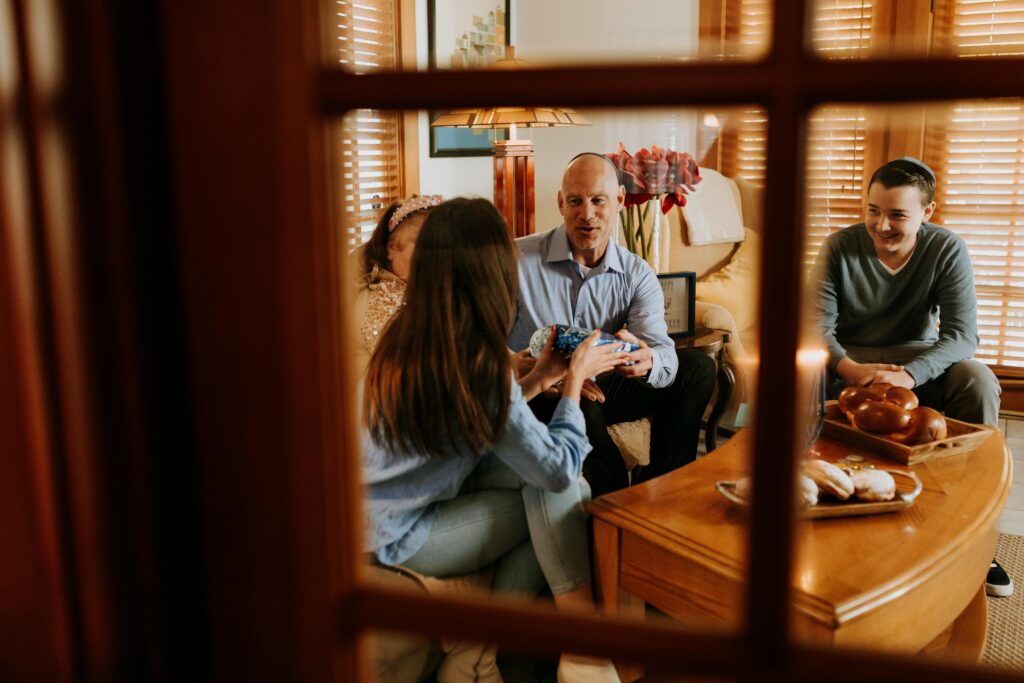
Research published in the Journal of Family Psychology found that couples who described themselves as a team when navigating family expectations reported much higher long term satisfaction.
The key factor was the sense that both partners felt mutually supported when outside pressures appeared.
Key Takeaway
When you begin building a life together, your relationship slowly becomes its own ecosystem.
Families remain important, and their presence often brings warmth and a sense of history. Also the partnership itself needs the oxygen to grow in its own direction.
Setting boundaries is to clarify that something new now exists. It is a relationship learning to stand on its own while staying connected to the people who came before it.
Reflection
If you have ever felt uncertain about how much family influence belongs in your home, you aren’t alone.
Most couples eventually face those moments where expectations overlap and decisions feel delicate. Those moments are part of the process of defining who you’re as a unit.
Over time, you discover that the strongest partnerships are the ones where both people know that standing on the same side of the conversation.
So does your relationship feel like its own center of gravity yet, or are you still figuring out how to balance the voices from the past with the life you’re building today?