
We treat silence in a marriage like a pause button. When a partner retreats into a total emotional freeze, they rewrite the rules of the house.
The silent treatment forces the other person out of their role as an equal partner and drafts them into a series of exhausting, one-sided performances just to keep the household from collapsing.
It’s a heavy way of saying: “Your presence only matters when I decide it does.”
You’re Drafted As The Fixer
For someone like Sarah, a digital editor, the fixer role feels like a second job: “I find myself overcompensating. I’ll cook his favorite meal, handle all the chores, and speak in this overly cheerful, careful voice just to see if I can get a crack in the ice,” she says.
The moment the silence sets in, the power dynamic shifts completely. The person who stops talking holds all the cards, while the person left in the cold is forced into this role.

You start a frantic, internal audit of every word you’ve said in the last 48 hours. You scan your tone, your jokes, and your body language, looking for the exact moment you tripped the wire.
You Become a Ghost in Your Own Living Room
The most painful part of the silent treatment is the lack of acknowledgement. Humans rely on bids for connection: small gestures like a nod, a smile, or a simple “mm-hmm” when we speak. When those bids are ignored, the nervous system goes into a state of high alert.
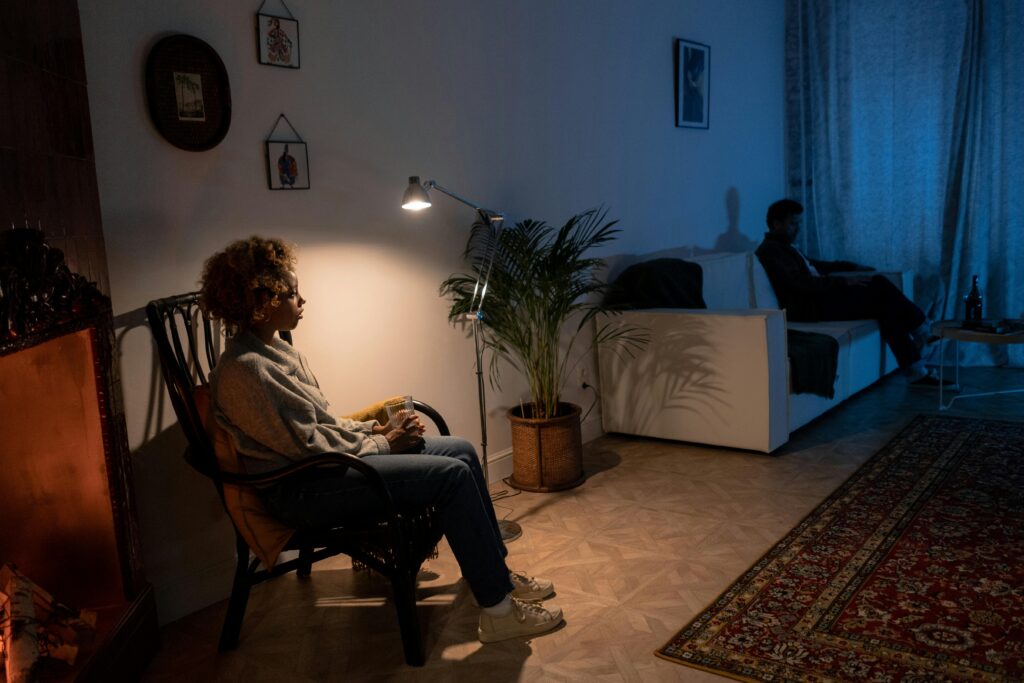
For example, you walk through the kitchen, sit on the couch, or lay in bed next to them, they look right through you. In their eyes, you have become a transparent entity, this is a fundamental denial of your presence.
When you’re treated like a ghost in your own home for days at a time, you start to feel small. You hesitate before you speak, and start to doubt if your feelings even have a right to exist if the person closest to you has decided they don’t.
You’re Left To Keep The Normal Going Alone
Life doesn’t stop because a marriage is in a deep freeze. There are still groceries to buy, parents to call, and children to tuck into bed.
In these moments, the person being frozen out is almost always the one who has to carry the entire emotional load of the household.
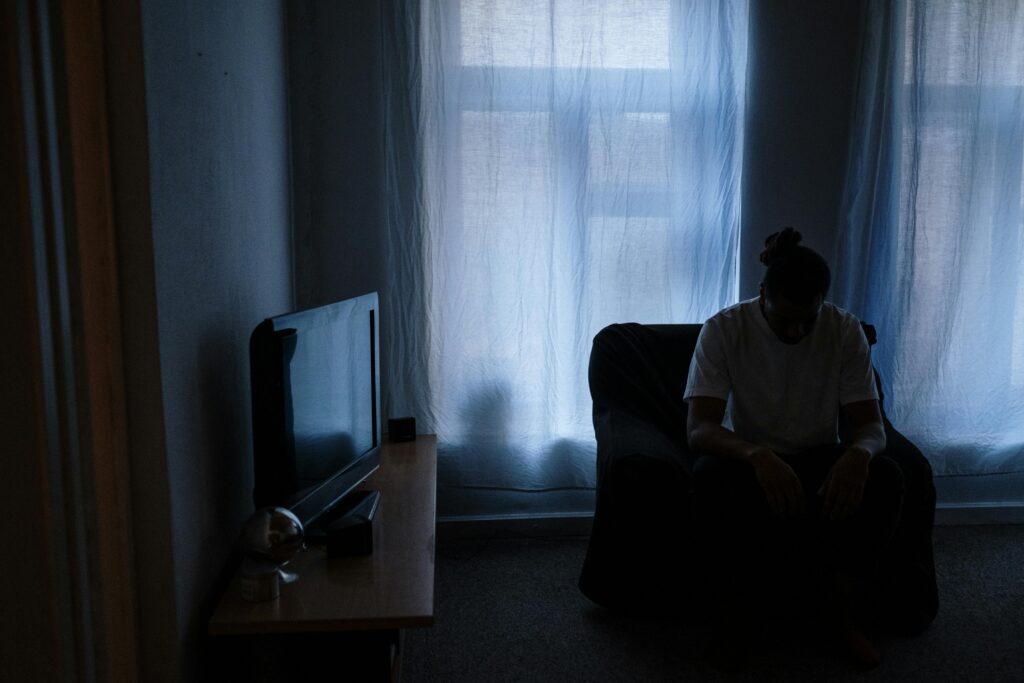
You’re forced to play the role of the happy couple or the functional parent entirely on your own. It’s a lonely, one-sided effort to maintain a sense of normalcy while your partner has completely checked out. You hold up the ceiling while they sit in the dark, waiting for you to exhaust yourself.
The Cost Of The Personality Edit
Staying in a relationship where the silent treatment is a regular tool eventually leads to a kind of personality shrinkage. To avoid the next freeze, you start to edit yourself in real-time.
When you stop sharing your wins because you don’t want to brag and trigger a mood, stop sharing your frustrations because you don’t want to be nagging. You’ll become a watered down, safe version of yourself just to keep the peace.

The right relationship should allow your personality to expand, not make you feel like you need to shrink to fit into someone else’s silence. It turns the home from a sanctuary into a place where you’re constantly on guard, waiting for the lights to go out again.
Key Takeaway
The silent treatment is a habit that drains the life out of a bond. When you force a partner to be the only one trying to fix things or keep life normal, you’re slowly breaking their trust in the relationship as a safe space.
Keep in mind that a marriage only works when both people stay in the room even when the conversation is messy, loud, or uncomfortable.
Read the deeper analysis: Why Silence Is the Most Dangerous Habit in a Marriage