
The morning alarm finally rings, and somehow your physical body feels significantly heavier than it did yesterday, leaving you deeply confused as to why physical rest and mental energy are no longer speaking the same language.
Across group chats, TikTok comments, and late-night conversations, people keep confessing the same thing: “I slept eight hours and still woke up exhausted.”
The strange part is that the tiredness rarely feels physical alone. It feels emotional, social, sometimes even existential.
This is a recognition of the moments many people only understand once they slow down enough to notice them.
1. When your body peacefully slept but your restless mind completely refused to clock out
Sometimes your sleep cycle looks absolutely perfect on paper. However, it remains entirely unfinished on an emotional level.
You slowly drift off while actively thinking about someone who hasn’t texted back or worrying about a task you left incomplete. Your midnight dreams suddenly feel incredibly crowded, functioning almost exactly like dozens of unfinished mental tabs quietly draining your battery in the background.
In the morning, your physical body technically rested, yet your mental energy feels completely untouched.

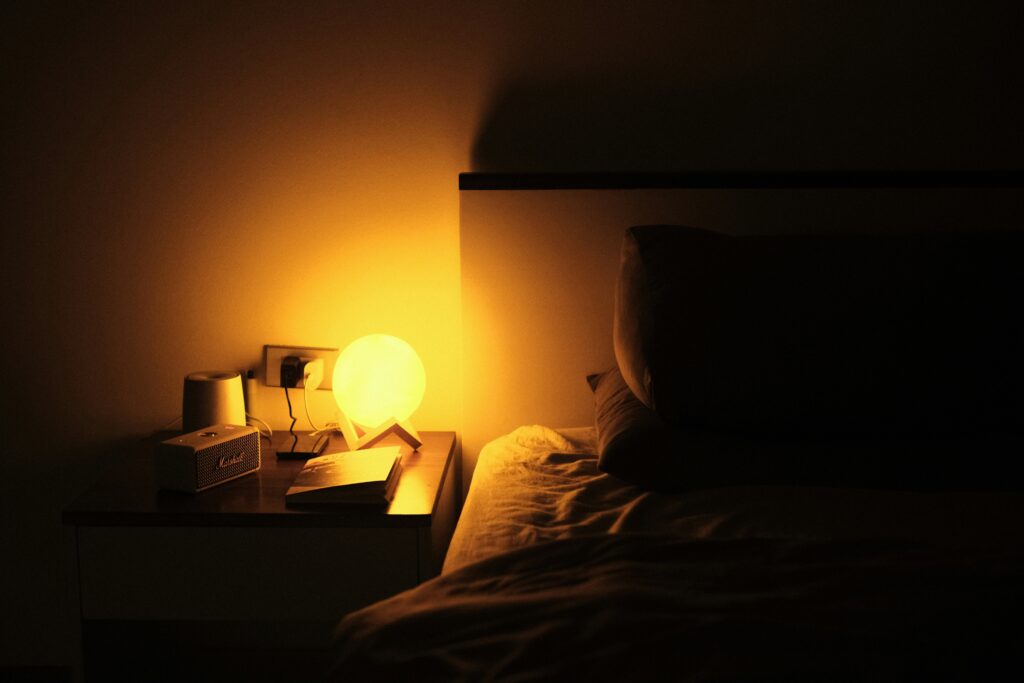
So many readers perfectly describe this specific sensation as waking up already mid-thought, feeling exactly as if the nighttime hours never actually created a real, restorative pause.
2. The quiet, lingering exhaustion of constantly being “on” for everyone else
Modern tiredness very frequently has absolutely nothing to do with exerting physical effort.
You might spend your entire day replying politely to emails, reacting appropriately to colleagues, and relentlessly staying emotionally available for your closest friends and your partner.
Deep emotional awareness, especially for highly empathetic people who care deeply about maintaining their relationships, can quickly become an exhausting invisible workload.
By the time night falls, you’re drained in a complex way that basic physical rest alone simply can’t reach because your profound fatigue comes from constant emotional presence rather than physical movement.
3. When your daily life feels entirely stable but your deeper meaning feels painfully blurry
There is another deeply complex kind of tiredness that people rarely talk about openly. Your life isn’t necessarily bad, and absolutely nothing is obviously going wrong on the surface.
Many people accurately describe this lingering feeling as a soft burnout, it remains persistent enough to heavily follow you into every single morning.
4. Recognizing that social energy doesn’t automatically recharge the same way anymore
Many highly social individuals actively notice they feel the absolute most tired right after incredibly fun social weekends.


You enthusiastically laugh, deeply connect with loved ones, and maybe even feel significantly closer to your favorite people. Then Monday morning harshly arrives, and your emotional battery feels unexpectedly low.
It feels deeply confusing because immense joy and profound exhaustion are suddenly appearing right next to each other.
What often surfaces later is the beautiful realization that genuine human connection always requires vulnerability, and practicing vulnerability takes massive amounts of energy even when it feels incredibly good.
5. The frustrating pressure of the “I thought a good night of rest would finally fix me” feeling
A very common and heartbreaking confession sounds almost identical across so many different people we speak to. They constantly say they kept desperately waiting for one genuinely good night of sleep to make everything feel completely normal again.
That heavy expectation places an immense amount of quiet pressure on your shoulders. When physical rest doesn’t magically work instantly, you inevitably start fiercely questioning your own mind instead of questioning the unsustainable pace of your daily life.
Your physical fatigue uncomfortably mixes with emotional disappointment, and suddenly your mornings feel infinitely heavier than your nights.
Your Deepest Takeaway
Feeling chronically tired after a long night of sleep often isn’t about the actual quality of your sleep at all.
It heavily reflects your ongoing emotional processing, your drained social energy, your quiet daily stress, and those unmet internal pauses that physical rest simply can’t automatically resolve.


You might simply be noticing exactly how beautifully layered and incredibly complex modern tiredness has truly become.
If this overwhelming feeling sounds intimately familiar to your heart, you should gently ask yourself which specific part of your beautiful soul hasn’t been allowed to fully rest just yet.
If you want to explore that profound question more gently and truly understand the deeper emotional patterns behind this universal experience, continue reading our upcoming article:
The Hidden Reasons You Wake Up Tired Even After Sleeping Well
We’ll deeply explore exactly why physical rest and true emotional restoration rarely happen at the exact same time.