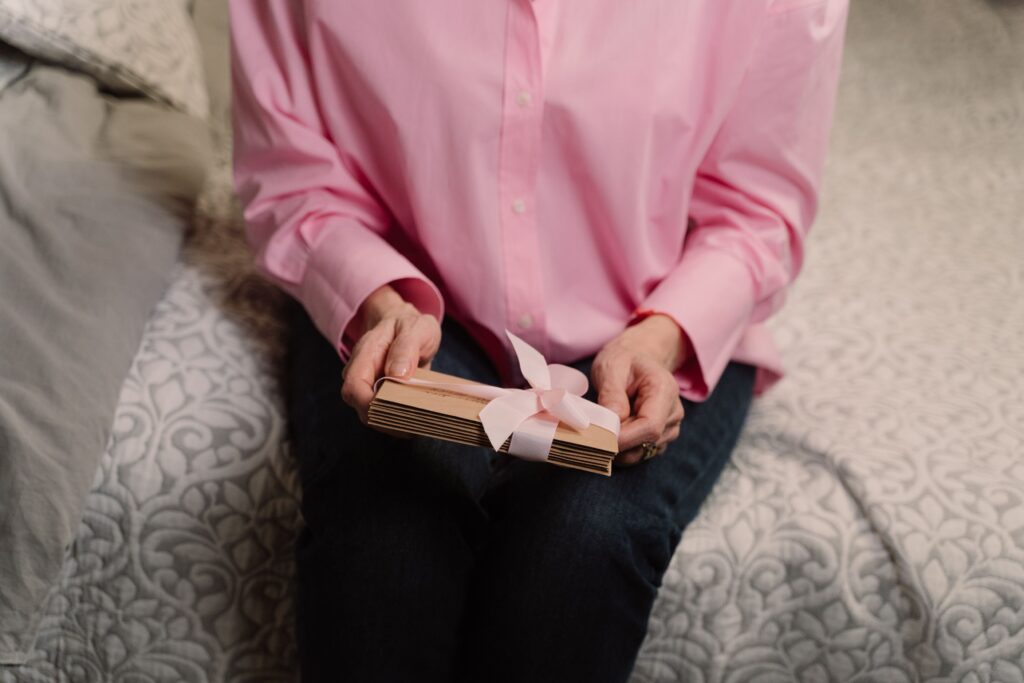
Most years, she opens it quickly, reads it once, and then sets it down somewhere it won’t get lost. Sometimes she tears up a little. Sometimes she just goes quiet for a second before coming back to the room. If you’ve ever watched your mom open a birthday card you wrote and wondered why something that small seemed to land so heavily, it’s worth understanding what’s actually happening in that moment because it isn’t really about the card at all.
The Invisible Labor She Never Asked You to Notice
Think about the sheer volume of invisible labor that defines most mothers’ daily lives. The way she remembered which teacher you didn’t like and why, or how she tracked your moods before you could even name them. She held things for you, like anxieties, logistics, and little worries, without ever being asked. Most of that work happens without any fanfare, without a thank you, and sometimes without even being noticed by the person it was done for.
A birthday card, especially one written by hand with something real in it, is often one of the rare moments where a child looks directly at their mother and says: “I see you.” That acknowledgement doesn’t have a price tag and it doesn’t expire. It just lands.

How the Mother Child Relationship Quietly Shifts
When you were small, her birthday was probably something she had to organize partially herself. There was a cake that she at least hinted toward, or a dinner she may have been involved in planning. The love was always there, but the logistical labor was also there, which is a familiar combination for most moms. As kids grow up and start genuinely taking over, by thinking about her, choosing something, and showing up with it, something in the dynamic shifts in a way that she feels very clearly.
Receiving a card that a grown child chose, wrote, and brought to her communicates something far beyond just birthday love. It communicates that the care has become mutual. The kid who once needed everything from her now wants to give something back. That shift from a one way street to genuine mutuality is something she may have been quietly waiting for and hoping for without ever saying so out loud.
Why a Card Hits Differently Than a Gift
Gifts are wonderful, but they’re also a little transactional. They tend to measure affection in monetary value or the effort of purchase. A mom birthday card is almost entirely symbolic, which means the only thing inside it is what you actually meant to put there. There’s no distraction, no price point to fixate on, and no question of whether she’ll actually use it. There’s just a message, and that message is either real or it isn’t.
Moms, especially those who’ve spent decades tuning into the emotional frequencies of their kids, are incredibly good at knowing the difference. A card she can tell was written quickly and without much thought lands completely differently from one that includes a single detail or a sentence that makes her catch her breath. She won’t say that out loud most of the time, but she definitely knows.

The Science of Why Birthdays Amplify Emotion
There’s solid psychological research on what’s called temporal landmarks, which are the dates and moments we treat as psychological markers for reflection and transition. Birthdays are one of the most powerful temporal landmarks in most people’s lives because they naturally prompt reflection on where you’ve been and where you’re going. For mothers specifically, a birthday doesn’t just mark another year of their own life, because it often prompts deep reflection on the lives they’ve built and the people they’ve raised.
Research in positive psychology has also found that receiving genuine expressions of gratitude activates emotional responses that are significantly stronger than receiving material gifts. When a birthday card does what it’s supposed to do, it’s essentially functioning as a formal act of witnessed gratitude. That’s an incredibly powerful thing to hand someone you love.
What She’s Actually Reading Between the Lines
She’s reading the words on the paper, and also reading the evidence of your thinking. She’s noticing whether you referenced something real or kept it entirely generic. She’s clocking whether this sounds like her actual child or just like a corporate copywriter. She’s feeling around for the parts that prove you thought about her specifically, meaning the particular person who has a specific laugh, a specific way of worrying, and a specific thing she says every time something goes wrong.
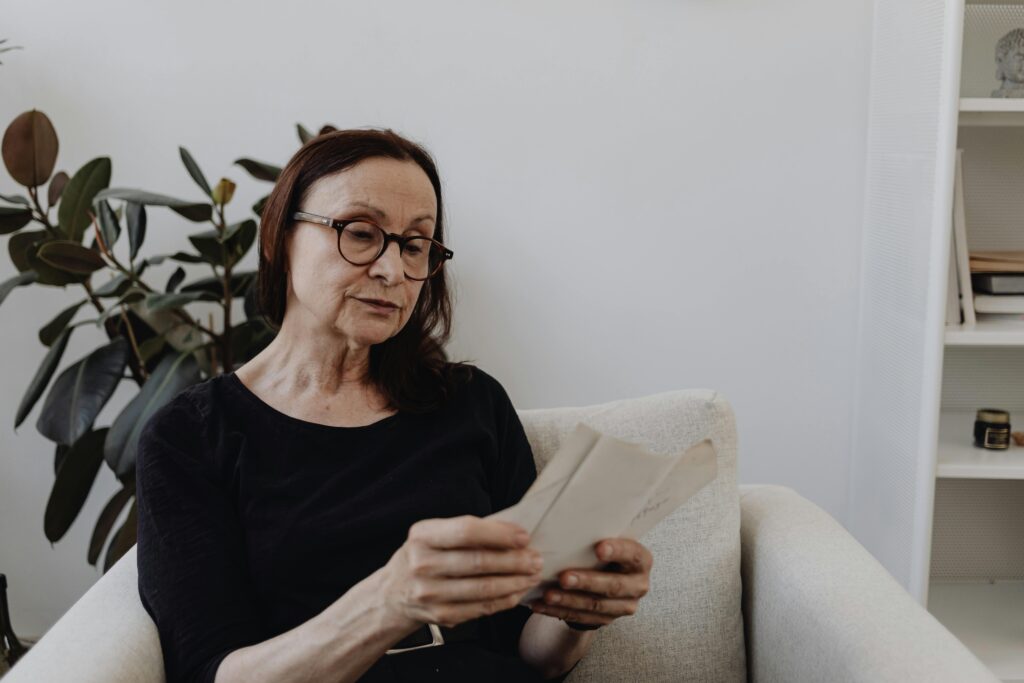
The cards she keeps, the ones tucked away in that old shoebox you might not even know about, are the ones where she found that exact evidence. Those cards are the closest thing most people have to a written record of being truly known by someone they love.
The Emotional Weight She Carries Into the Day
By the time she’s opening your card, she’s already come through a morning of her own reflections. Birthdays have a unique way of bringing up everything all at once, including immense pride in her kids, grief over people who aren’t there to celebrate with her anymore, awareness of time passing, and hope about what’s still ahead. She’s carrying much more emotional weight into that moment than you might realize, which is part of why even a small, genuine card can feel so disproportionately large to her.
Key Takeaway
The reason a mom’s birthday card hits as hard as it does has almost nothing to do with paper or words. It has everything to do with the rare experience of being genuinely seen by someone whose life you shaped. She gave you the language to express yourself, the safety to feel things, and the years it took for you to become someone who could write that card in the first place. When you hand it to her, she knows all of that. That’s why she goes a little quiet before she comes back to the room.
If you’ve got a memory of a card that landed harder than expected, leave it in the comments below. The one she kept in the fridge for months, the one you almost didn’t write, or the one that finally said what years of complicated feelings couldn’t. Those stories are worth more than you think, and we genuinely want to hear them.