Most couples can point to a few specific arguments that seem to have a life of their own.
The details might shift, maybe this time it’s about a late text instead of a forgotten chore, and the emotional temperature feels exactly the same.
One partner inevitably sighs and says: “We always end up here,” and they’re usually right.
While it’s tempting to view these recurring conflicts as a sign that a relationship is failing, research suggests otherwise.
In fact, studies from renowned institutions like the University of Washington’s relationship labs show that the vast majority of marital conflicts are perpetual.
They’re about the collision of two different personalities and two different ways of experiencing the world.
The Emotional Blueprint Beneath the Noise
In the early days of dating, disagreements feel situational. You argue because you were late for a movie or misunderstood a dinner plan.
However, as a relationship matures, these surface level topics begin to reveal an underlying emotional architecture. When you find yourselves looping back to the same tension, it’s rarely about the logistics.

A recurring fight about money is often a fight about security and fear, or a repeating argument about weekend plans is usually a deeper negotiation between autonomy and connection.
We carry these invisible expectations into our homes without realizing it. Because we don’t always have the language to say: “I feel unheard,” we instead complain about the laundry.
This creates a cycle where both partners feel they’re speaking different languages. The repetition happens because the core emotional need hasn’t been addressed yet, so it keeps resurfacing in different disguises.
The Dance of Pursuit and Withdrawal
Relationship patterns are often shaped by how we handle emotional pressure.
Some people are pursuers who instinctively move toward the conflict. They want to talk it out immediately, seek clarity, and find a resolution to feel safe again.
Others are withdrawers who need distance to process their thoughts. When tension rises, they may become quiet or physically leave the room to avoid feeling overwhelmed.
These strategies are when they meet, they create a predictable loop. The more one person pursues, the more the other withdraws, which in turn makes the first person pursue even harder.
Recognizing this as a shared dynamic rather than a character flaw in your partner is often the first step toward breaking the cycle.

It allows you to see the fight as an external force you’re both navigating together.
Why the Loop Can Lead to Deeper Intimacy
These repeated arguments can become the bedrock of a stronger bond.
When a couple stops trying to win the argument and starts trying to map the pattern, the tone of the relationship shifts.
You begin to recognize the specific tone of voice that triggers your partner’s defensiveness, and start to see the vulnerability hidden behind their anger.
In fact, the goal is to reach a place where you can say: “Oh, we’re doing that thing again,” and laugh about it.
Understanding why behind the repeat performances changes what the fight means. It becomes a signal that one or both of you is feeling disconnected, rather than a sign that you’re incompatible.
Conclusion
The fights couples remember most clearly stand out because they reveal the intricate ways two people respond when emotions rise and the stakes feel high.
Patterns emerge slowly through years of repeated interactions because it might be a specific tone of voice that triggers defensiveness or a moment of silence that feels like abandonment.
It can be said that these familiar loops are the emotional maps of the relationship.
Once those patterns become visible, the nature of the conversation begins to shift. This change happens because both people start seeing the argument through a wider lens.
You stop seeing a problem to be solved and start seeing a partner to be understood.
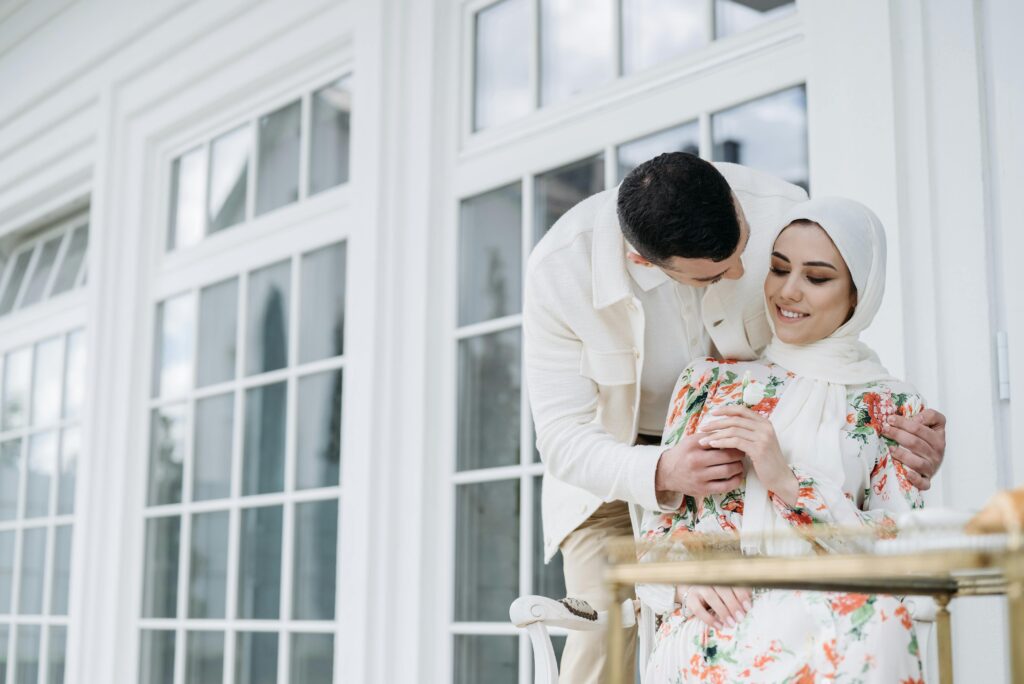
Reflections on the Pattern
Sometimes, the most important thing you can do is stop looking for a solution and start looking for the emotion that keeps bringing the conversation back to the table.
So does your relationship have a favorite argument that keeps coming back for an encore?
How did recognizing the pattern change the way you see your partner?
Join the discussion in the comments below or share this with a friend who is currently navigating their own perpetual conflict.