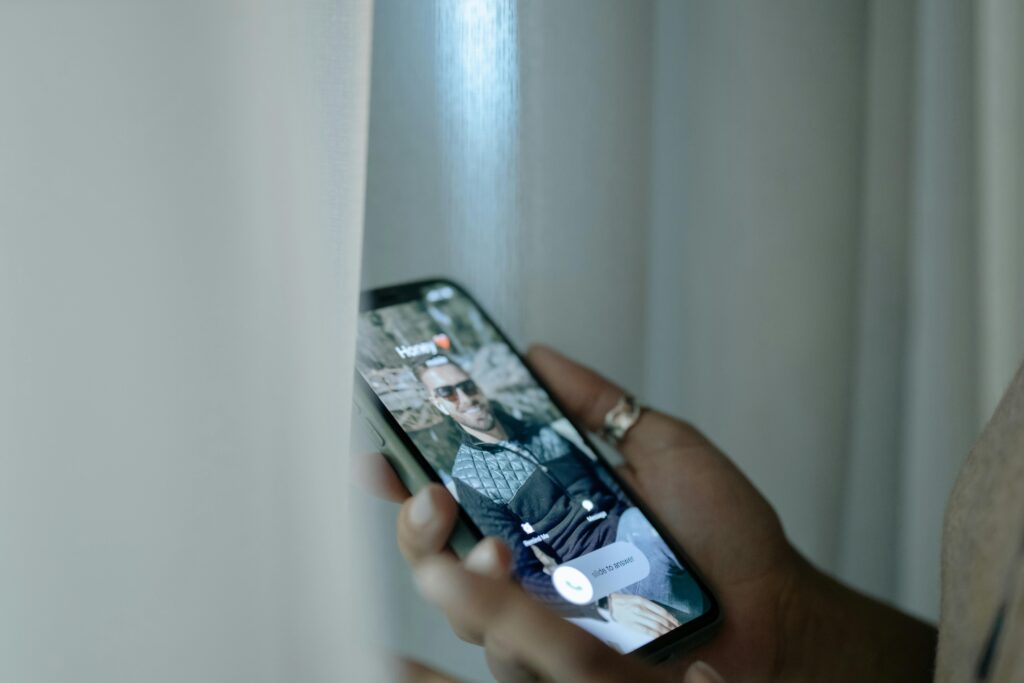
Human connection is inherently messy, and our brains have developed some incredibly creative defense mechanisms to keep people at a safe distance. If you want to understand why modern digital dating feels so anxiety-inducing, these weird but true facts about human psychology shed light on why being truly vulnerable feels like an actual threat to your survival.
Comfort of Digital Masking
We often use our phones as a shield to protect us from the raw discomfort of face-to-face vulnerability. Think about that intense relief you feel when a plans-cancelled text rolls in, or when you choose to send a long, carefully worded voice note instead of picking up a live call. This digital buffer secretly sabotages our ability to handle real intimacy.
A close friend of mine recently confessed that she deliberately delays replying to her partner’s sweet messages by exactly twenty minutes. She does this because sitting with the warmth of his genuine affection makes her feel completely exposed and frantic. It’s a prime example of how we use digital distance to control the emotional temperature of our relationships. We turn down the heat because the raw flame of direct intimacy feels entirely too hot to handle.
Destroying Everyday Perfectionism
When the fear of being truly seen takes over, it usually disguises itself as a sudden, intense need for perfection. You’ll find yourself overanalyzing the way your partner chews their food, or deciding that a budding romance is completely doomed just because they used the wrong emoji. This aligns perfectly with the choice overload we face on dating apps, where we reject real people over tiny details because we are chasing a flawless online illusion.
I remember sitting in a coffee shop with a writer who wanted to break up with someone incredible simply because they didn’t share the exact same taste in indie films. This hyper-focus on tiny, insignificant flaws is a classic psychological defense mechanism designed to push people away before they can get close enough to see our own flaws. It’s a way of saying: “I’ll find a reason to leave you before you can find a reason to leave me.”
Mirror Mechanism of Our Insecurities
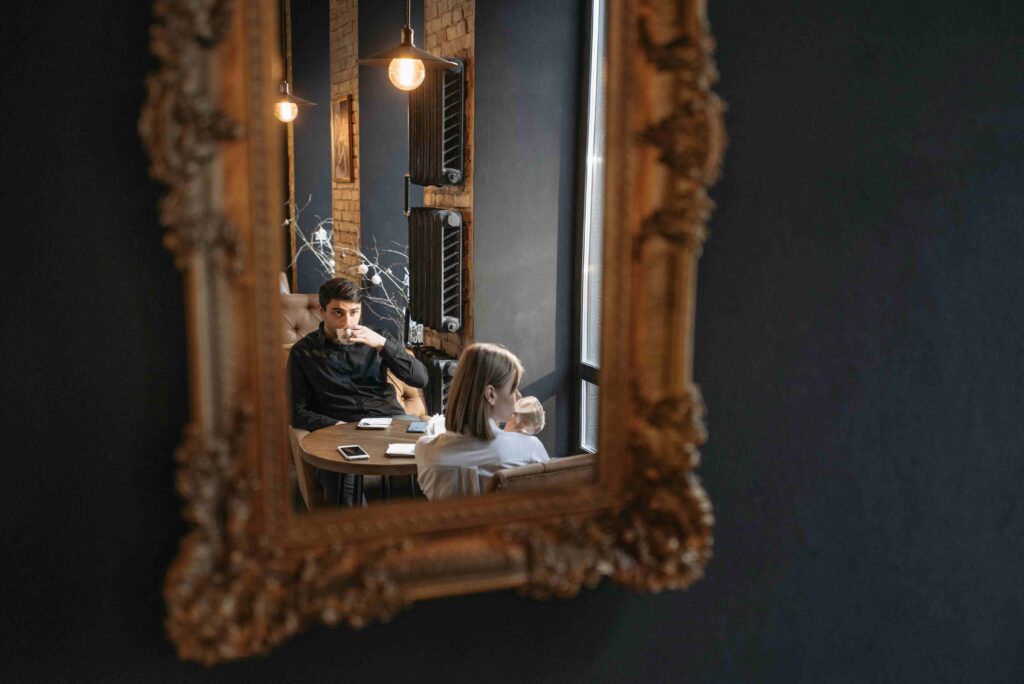
Our brains are wired with things called mirror neurons, which help us feel what other people are feeling and see ourselves through their eyes. When you are in a relationship, your partner acts as a clear mirror, reflecting back all the parts of yourself you usually try to ignore. This is exactly why texting feels so much safer than face to face dating, because screens don’t force us to look into that mirror.
This constant reflection is why true intimacy can feel so uncomfortable, because you can’t hide your bad days or your awkward habits from someone who sees you every day. It isn’t the other person we’re running from, because we’re actually terrified of the version of ourselves we see in their reflection. We push people away because maintaining a perfect online persona feels much safer than letting someone see our unedited reality.
Why True Safety Feels Alarming
If you grew up in an environment where love felt unpredictable or came with heavy conditions, your nervous system learned to associate closeness with chaos. This explains why we get addicted to the toxic cycle of breadcrumbing and waiting for text replies, as the erratic highs and lows feel familiar to our brains, while real stability feels terrifying.
When you finally find a partner who offers genuine safety and consistency, your brain flags that unfamiliar peace as a potential danger because it’s waiting for the other shoe to drop. You might find yourself picking fights over tiny things or creating problems out of nothing just to return to a familiar state of tension. It’s a bizarre psychological habit where our minds prefer predictable misery over unfamiliar happiness.

Strategy of Emotional Distancing
We often use digital tools to create a comfortable buffer zone between ourselves and the people we care about. Leaving a message on read, keeping our notifications silent, or sticking to superficial conversations allows us to control exactly how much of ourselves we reveal.
This habit stems from a deep fear that if someone sees our complete, authentic self, they’ll inevitably find us lacking and walk away. We choose to show a curated, polished version of our lives because it protects us from the pain of genuine rejection. If someone dislikes your persona, it doesn’t hurt nearly as much as if they dislike the real you.
Unpacking Your Emotional Blueprint
To move past these protective walls, it helps to look at the patterns we formed early in life. Take a quiet evening to reflect on how you typically react when a relationship starts getting serious. You can explore these questions in a journal or simply think them over during a walk:
- What is the very first thought that pops into your head when someone shows you genuine, unconditional affection?
- In what specific ways do you tend to pull back digitally or emotionally when a conversation becomes deeply vulnerable?
- What is a gentle boundary you can set today that allows someone to see a little more of your true self without feeling overwhelmed?
Embracing the Joy of Being Known
Allowing yourself to be seen is simply about letting someone love you in your entirely human state. The moments where we feel the most awkward or flawed are usually the exact places where true connection takes root. When we stop performing behind our screens and start showing up authentically, we give the other person permission to do the exact same thing. It takes an incredible amount of pressure off your shoulders when you realize you don’t have to be a flawless digital profile to be worthy of love.

Conclusion
Stepping out from behind our emotional defenses is a slow process that happens one small choice at a time. It’s completely natural to feel protective of your heart, however hiding your true self behind a screen ensures you’ll never experience the warmth of being truly known. Unpacking these weird but true facts proves that your outbox anxiety and texting nerves are just old survival instincts running on modern tech.
You deserve to be seen for exactly who you are, with all your quirks, fears, and beautifully chaotic layers. Take a deep breath, put down the perfectionist act, and let someone see the real, wonderful human behind the screen.
Reflection
Share this article with a friend who always delays their replies, or save it as a reminder for the next time you feel like pulling away from someone incredible. If you’re currently in the middle of navigating these exact digital nerves, drop a comment below and tell us which defense mechanism you use the most. Let’s start showing up, unedited.