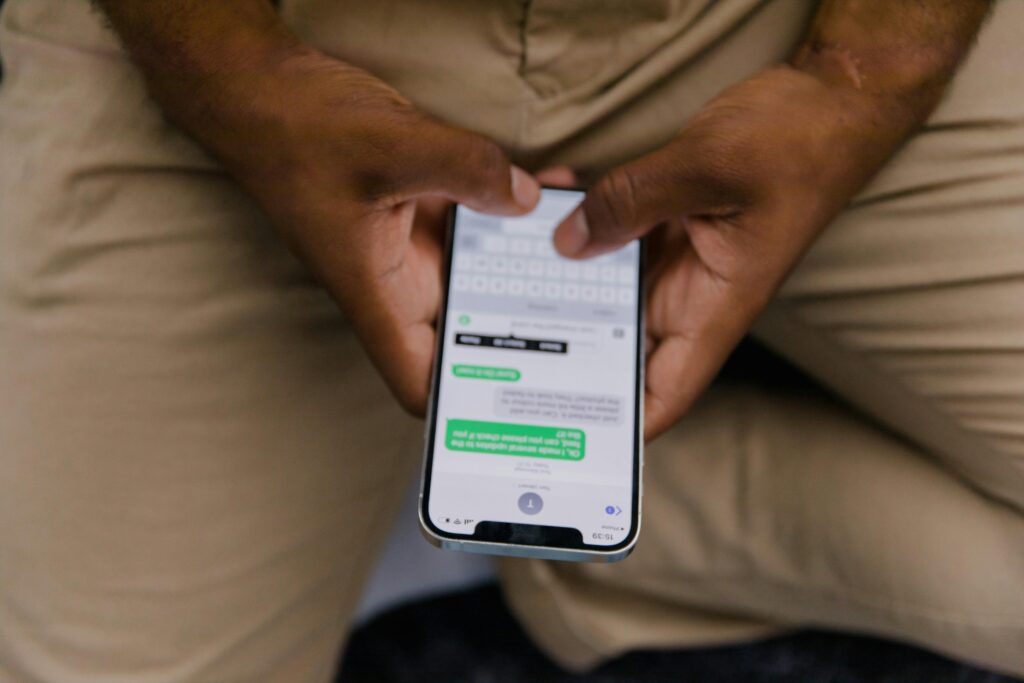
If you look back twenty years, the concept of a “talking stage” didn’t really exist in our vocabulary. You went on dates, and then you were either seeing each other or you weren’t.
Today, the space between stranger and partner has expanded into this massive, indefinite territory that can last weeks or even months.
If you look closer, it’s actually a collective defensive ritual we’ve invented to handle the sheer exhaustion of digital dating.
The Rise of “Situationship” Culture and the Data Behind the Delay
This is backed by how dating has fundamentally changed in the recent study by Hinge found that nearly 80% of Gen Z and Millennial daters have experienced dating burnout, and the talking stage is often the direct result of that fatigue.
When the cost of entry for a relationship feels too high because we’ve been burned by ghosting or love bombing in the past, we use the talking stage as a buffer.

It’s a way of saying: “I’ll give you my time, but I’m not giving you my heart until I’ve vetted every single pixel of your personality.”
We’re crouching in a defensive position, waiting for a reason to run before we get too close to be hurt.
The Cost of Being the One Who Cares More
The talking stage acts as a filter, allowing us to sample the emotional intimacy of a relationship without actually signing the contract.
Because we’re all so terrified of being the one who cared more, we’ve turned the talking stage into a high-stakes game of emotional chicken.
We keep the labels blurry so that if it falls apart, we can tell our friends and ourselves that it wasn’t a real breakup.
It’s a way of protecting our egos by keeping one foot out the door, even when we’re actually starting to fall for someone. We’ve traded the sting of a breakup for the slow, dull ache of a fade out.

The Illusion of Progress vs. Digital Intimacy
The most deceptive thing about the talking stage is that it feels like a connection is being built.
You’re sharing Spotify playlists, venting about your toxic boss, and texting from the moment you wake up until you go to sleep, it’s content consumption.
In this ritual, we’re often falling in love with a digital version of a person, the one who always has the perfect reaction meme and never has bad breath or a bad mood. This stage allows us to maintain a fantasy version of a relationship without the messy, day to day reality of a real one.
It’s intimacy lite, providing just enough warmth to keep the loneliness away, but not enough substance to actually sustain us long-term. You can talk to someone for three months and still have no idea how they act when they’re actually angry or how they treat a server at a restaurant.
We’re building a foundation on sand and wondering why the house feels shaky the moment we try to make it official.
The Breakdown of the Ritual: When Limbo Becomes the Destination
The friction happens when the talking stage stops being a bridge and starts becoming a destination.

For some, the ambiguity is a way to get all the perks of partnership, like the emotional support and the regular checking in, with zero accountability. It’s the ultimate dating hack: you get the boyfriend or girlfriend experience without the partner responsibilities.
According to a survey by Dating.com, over 60% of singles feel they’ve been stuck in a talking stage that lasted longer than a few months without any clear progression.
We’ve created this phase to save ourselves from heartbreak, however in the end, we often find a different, more drawn out way to get hurt.
Breaking the Crouch: The Vulnerability Audit
So, how do we stop the talking stage from becoming a permanent residence? It starts with a vulnerability audit.
If the connection is built entirely on the high of a blue text bubble, it’s a digital habit. Real connection requires the risk of being seen, and that’s exactly what the talking stage is designed to avoid.

We have to be willing to stand up out of that defensive crouch, even if it means we might get hit. Because the truth is that you can’t actually find a partner while you’re hiding behind a screen, waiting for them to go first.
Key Takeaway
The talking stage exists because we’re all collectively terrified of being vulnerable in a culture that prizes coolness and detachment above all else.
It’s a protective layer, a suit of armor we’ve collectively agreed to wear. Eventually, you have to decide if you’re using that armor to stay safe or if it’s just keeping you from actually feeling anything at all.
Connection is found in the moments where you finally stop talking and start showing up.