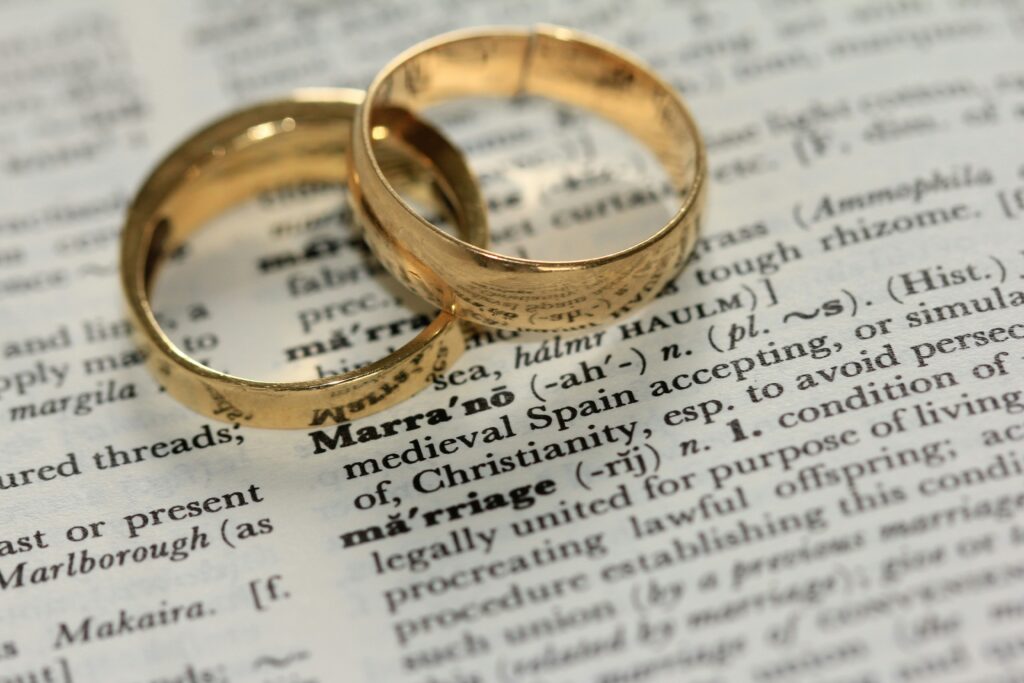
For much of modern history, marriage functioned as a shared social rhythm. People moved toward it together, often without needing to question why. It provided structure, belonging, and a sense that adulthood had officially begun.
Today, something quieter is happening.
People still fall in love, still want companionship, intimacy, and long-term partnership. Many find themselves lingering longer in the space before commitment, because they’re trying to understand what commitment means inside a life that feels far less predictable than before.
The Long Era of Becoming Yourself
One reason marriage feels different now is that adulthood itself has stretched. Sociologists describe modern adulthood as a prolonged period of identity formation, where careers, values, and emotional needs continue evolving well into the thirties.
In conversations collected by relationship researcher Bella DePaulo, many unmarried adults describe feeling fulfilled yet unfinished at the same time. They’re building lives rich with friendships, creative pursuits, and personal growth, experiences that previous generations often postponed until after marriage.
When identity is still unfolding, commitment begins to feel less like a milestone and more like a deeply personal alignment. People are waiting until partnership feels compatible with who they’re becoming.
That distinction changes the emotional weight of the decision.
Emotional Compatibility Matters More Than Timing
Dating conversations today sound different from those of even twenty years ago. People talk openly about communication styles, attachment patterns, emotional safety, and boundaries. Language once limited to therapy rooms now appears in everyday relationships.

A 2022 survey by Hinge found that a majority of young daters prioritized emotional availability over traditional markers like financial readiness or age alignment. What people are searching for increasingly resembles emotional resonance rather than social timing.
This creates an interesting tension, greater self-awareness helps people recognize healthier dynamics, however it also makes decisions slower and sometimes heavier.
When commitment is tied to emotional understanding, certainty rarely arrives all at once. It develops gradually through shared experiences.
Freedom Can Feel Both Expansive and Unsettling
When marriage stops being inevitable, choice expands, with choice comes responsibility for defining meaning personally.

Several shared feelings both liberated and slightly unanchored at the same time. Watching peers marry can evoke warmth alongside introspection, also social media intensifies this experience because multiple life paths unfold side by side every day.
A common story appears in interviews and online forums. Someone attends a friend’s wedding and feels unexpectedly peaceful rather than pressured. The realization arrives quietly and is on a different emotional schedule.
That realization often brings relief, followed by a new question. If there’s no universal timeline, how do you know when something feels right?
The answer rarely appears as certainty. More often, it shows up as comfort, consistency, and emotional ease that grows over time.
Ambivalence Is Often a Sign of Care
Mixed feelings about marriage are frequently interpreted as hesitation or fear. Emotionally, ambivalence often signals engagement rather than avoidance.
Wanting closeness while protecting independence. Feeling hopeful about partnership while respecting uncertainty, holding excitement alongside caution.
These experiences reflect the complexity of modern relationships, where individuals carry stronger awareness of both personal needs and relational responsibility. Ambivalence becomes less a problem to solve and more a reflection of emotional honesty.
Commitment as a Living Experience
Perhaps the most meaningful shift is how commitment itself is understood.
Instead of being defined by a single moment, commitment increasingly unfolds through daily participation. The moments like shared conversations, emotional repair after conflict, mutual growth through changing circumstances.
When marriage happens, it becomes one expression of an ongoing connection rather than its sole validation.
This perspective softens the pressure surrounding milestones. Partnership becomes something experienced repeatedly rather than achieved once.
Many couples find unexpected comfort in that idea. Commitment stops feeling like a finish line waiting in the distance and starts feeling like a series of small choices made together over time.
Closing Reflection
The question surrounding marriage today may not only be whether people believe in it anymore, but the fact that many people still deeply believe in it.
Actually the difference is that individuals now want their commitments to reflect their inner lives as much as social tradition and they want relationships that feel emotionally sustainable.
Maybe that’s why conversations about marriage feel more personal now. They’re less about arriving somewhere everyone recognizes and more about discovering a form of partnership that feels genuinely shared.
If this reflection stayed with you, it might be worth noticing which parts felt comforting and which parts felt unfamiliar. Those reactions often reveal where we are in our own relationship with commitment, long before any decision ever needs to be made.