
Kind of low-grade anxiety that only kicks in when you’re sitting in the car outside your partner’s childhood home.
You’re mentally rehearsing your origin story, wondering if your outfit is trustworthy or trying too hard, and remembering if your partner mentioned whether their dad hates sports or lives for them.
It’s a strange mix of excitement and the feeling that you’re about to go through a soft focus interrogation.
According to a YouGov relationship survey, more than half of people rank meeting the parents as one of the most nerve-racking milestones in a relationship.
Here’s the thing most of us forget in the heat of the moment: most families are looking for signals.
They’re watching the way you listen, how you handle a lull in the conversation, and those quiet cues that show you’re a genuine human being rather than a polished version of a LinkedIn profile.
Finding Your Comfortably Polite Groove
Winning them over usually starts with finding that sweet spot of being yourself while acknowledging you’re in a new environment.
You’re also a slightly more refined version of the person who eats cereal over the sink at 11 PM.
It’s that natural social instinct we all have: holding the door, saying thank you, and listening when someone tells a story that you’ve probably already heard three times from your partner. It’s about respecting the context of a new home.
The Silent Magic Of The Host Gift
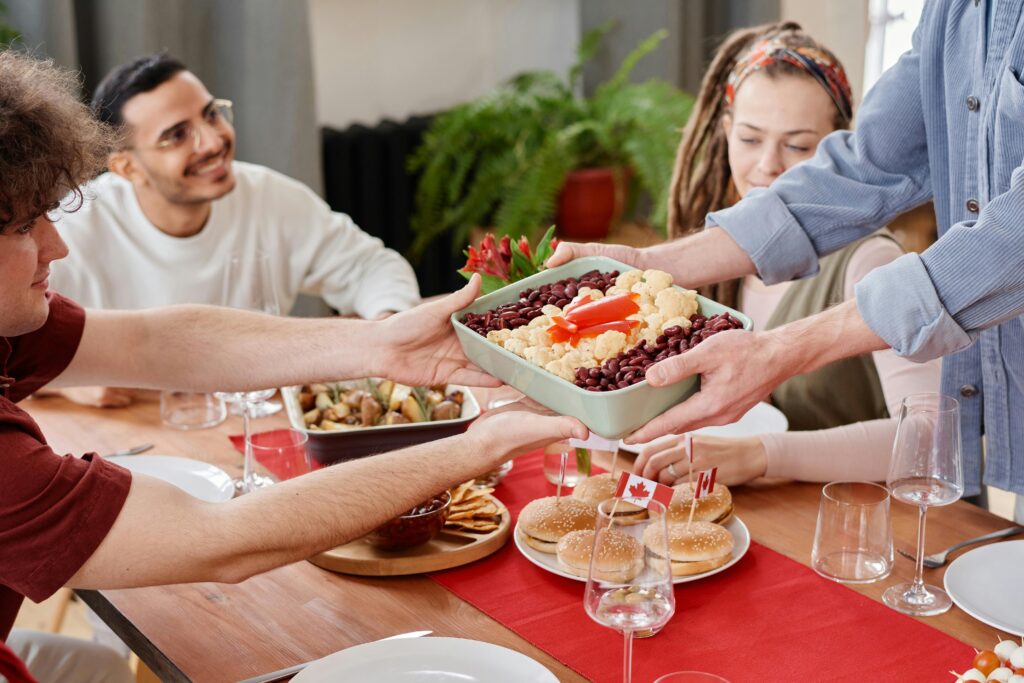
We also tend to overthink the gift ritual. Whether it’s a bottle of wine, some local coffee, or just a simple dessert, it isn’t about the price tag or trying to buy their affection.
In the U.S., etiquette surveys consistently show that a small gesture is one of the most appreciated moves because it sends a quiet message: “I recognize that this moment matters.”
It’s a signal of intentionality that speaks louder than any practiced dinner table anecdote. It also proves you’re someone who thinks ahead.
Letting Them Tell The Greatest Hits
Every family has a set of stories that come out the second a new person joins the group. You’ll likely hear about your partner’s most embarrassing childhood phases or memories they’ve spent years trying to bury.
What’s the best move here? Just lean into curiosity. People warm up fast to someone who seems genuinely interested in the people they love.
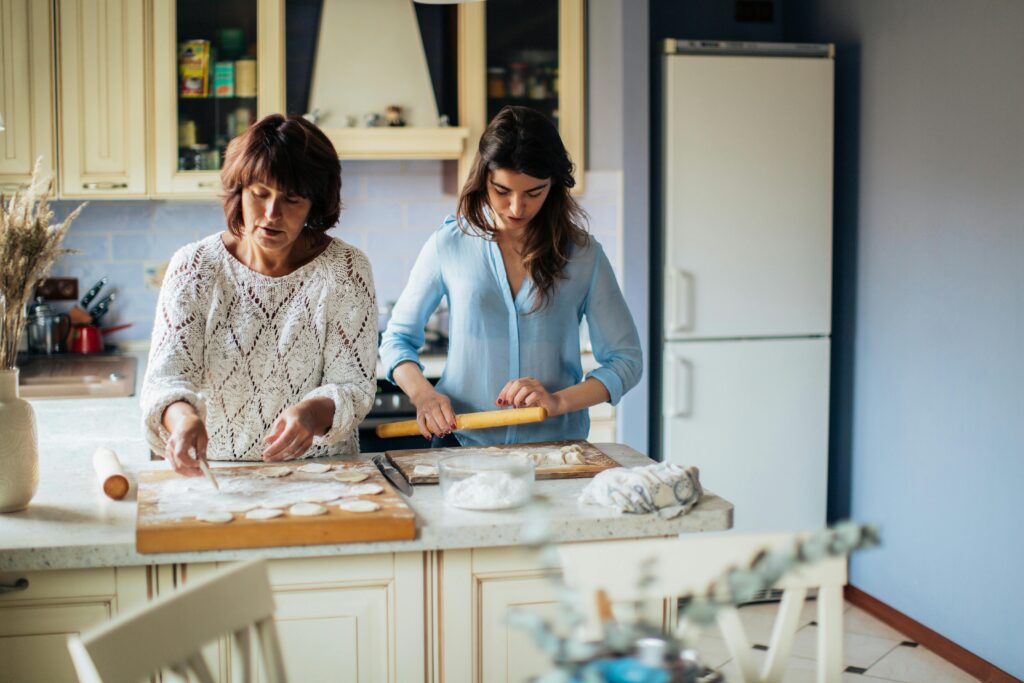
That’s why you don’t need to lead the conversation or be the funniest person in the room; you need to be a thoughtful witness to the family’s history.
Breaking the ice with a little self-awareness
Sometimes, the easiest way to break the tension is to acknowledge it with a bit of humor.
A quick and lighthearted comment like: “I’ve heard so much about you guys, I was actually a little nervous about today,” relaxes the room way more than trying to act perfectly confident.
It shows you’re real, and you care. And honestly, authenticity adjusts to the room, making everyone feel more at ease.
Why these small signals matter most
At the end of the day, for many families, the first meeting is about understanding who this new person is in their child’s life.
They’re watching the way you treat the people around the table and how you handle the awkward silences.
Often, the moment that makes the biggest impression is when they feel like they’re talking to a real person who is present, curious, and respectful of the world they’ve built.

Key Takeaway
The goal is to show up as a thoughtful version of yourself. People remember how it felt to have you at their table, that balance between staying true to yourself and being aware of the room is what sticks.
What’s next? That balance between being yourself and fitting into a whole new family dynamic is the start of something much bigger.
It’s more than just a dinner: it’s about how you and your partner begin to build your own team while navigating the worlds you both came from, and the boundaries you set together as you grow.
Ready to see how this first meeting evolves into something deeper? Check out our guide on building your own inner circle while staying connected to your roots.
Read More: Building a New Alliance: How Couples Learn to Set Healthy Boundaries with Both Families