


We’ve all had that moment at a family gathering where the air suddenly gets a bit thin because an aunt starts asking when you’re getting a promotion, or your dad decides it’s the perfect time to discuss your life choices in front of everyone.
It’s that familiar, slightly panicked feeling of being trapped between a polite smile and a desperate need to escape to the kitchen for more “ice.”
Before you start looking for the nearest exit, there’s a much better way to handle the tension that doesn’t involve a heated debate over the mashed potatoes. Sometimes the most effective boundary you can set is simply changing the subject by introducing a game that’s so engaging, even your most opinionated relative can join in.
The Secret Weapon for Awkward Silences
The beauty of the best family games is in the way they act as a social redirection tool. When everyone is focused on a shared goal or a ridiculous challenge, there’s no room for those uncomfortable interrogations about your personal life.

You’re essentially giving everyone a new job to do, which shifts the energy from individual judgment to collective entertainment. Whether it’s a quick round of a classic or a new favorite you’ve brought along, you’re creating a buffer zone that protects your peace while still letting you spend time with the people who matter.
Celebrity Bowl
All you need is some scraps of paper and a few pens. Everyone writes down 3 famous names or even family members, and you take turns acting them out or describing them. It’s low-stakes, high-laughter, and gets even the grandparents involved.
Emoji Storyteller
Use your phone to show a string of emojis and have the family guess the movie or the famous family story you’re trying to tell. It’s a great way to bridge the generational gap through something as simple as a screen.
Reverse Hide and Seek
One person hides, and as others find them, they have to hide in the same spot until everyone is crammed into one closet or behind the sofa. It’s impossible to be grumpy when you’re whispering and giggling in a tiny space together.
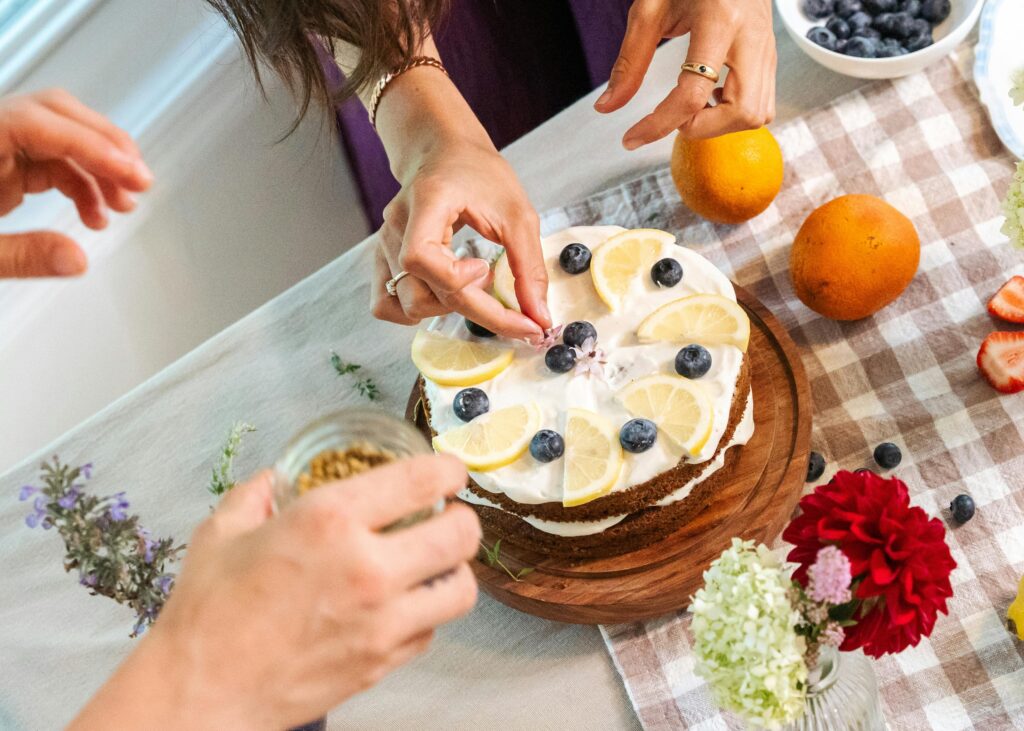
The Great Family Bake-Off (Low Mess Version)
Buy some pre-made cookies and have a 10-minute decorating contest. Let the youngest kid be the judge. It’s sweet, visual, and keeps everyone’s hands busy so they can’t point fingers at anyone’s life choices.
Breaking the Generational Interrogation Cycle
Beyond just being a fun distraction, games serve as a brilliant psychological circuit-breaker for those repetitive, draining questions that seem to haunt every family gathering.
When you’re all deep in a round of a fast-paced game, the focus shifts from “why aren’t you married yet?” to “how on earth did Uncle Jim just act out a toaster?” It creates a neutral ground where you can interact as peers rather than the child or the elder.
This shift is vital because it allows for a kind of connection that is dependent on simply on your shared ability to be silly and present in the moment. It’s a way of saying that your value in the family is tied to the joy you bring to the table right now.
Why It Actually Works
You might think playing a game is actually a brilliant way to remind everyone that you’re on the same team. These moments of shared joy act like a reset button for the group dynamic, allowing you to bypass the usual bickering and find a common ground that isn’t based on duty or drama.

When you’re all laughing at your uncle’s terrible attempt at charades, the tension from earlier in the day starts to feel a lot less heavy. It’s about taking control of the narrative and making sure the memories you take home from a family gathering are the ones where you actually had a good time.
Key Takeaway
Games are a legitimate strategy for managing adult family dynamics. By introducing structured play, you’re creating a safe space where connection happens naturally, without the pressure of having to perform the perfect family role. It’s the ultimate way to set a boundary while still keeping the invitation open for genuine fun.
Ever wondered why your inner child comes out the second you step into your parents’ house?Read our core article on The Inner Child at the Dinner Table: Why Play is the Ultimate Antidote to Family Gathering Tension
