






At some point after a breakup, something confusing starts to happen.
Then, the pain softens. Not dramatically, just enough to catch your attention.
A day passes where they don’t sit at the center of every thought. There are small stretches where life feels almost normal again.
And you start to wonder, maybe things are slowly improving.
Just when things start to feel easier, it comes back. Not in stages. Not softly. Just there again, like it had only been waiting.
That’s usually when people start doubting themselves.
They wonder if the “good days” were fake, or if they were just distracting themselves the whole time.
They start questioning whether healing is actually happening at all, or if they’re just looping through the same pain over and over again.
Breakup pain has a way of resurfacing, simply because healing tends to move unevenly rather than forward in one clean direction.
In the beginning, pain often feels constant because everything is raw at the same time. There’s no space between emotions yet. Loss, shock, confusion, anger, it all hits together.
Over time, the intensity begins to soften. The loss doesn’t disappear, but your system starts to break it down into pieces it can actually take in.
That’s when the waves begin.


Sometimes a wave arrives without a clear reason. You aren’t thinking about them. You aren’t triggered by anything obvious. And still, something tightens.
You recognize the feeling before you understand it.
One wave might be about missing the emotional closeness.
Another might be tied to a habit you didn’t realize was still connected to them. Another might show up as grief for a future you stopped thinking about but never fully let go of.
Each wave feels familiar, but not identical. The same experience shows itself in different ways, at different moments.
What makes this especially hard is how easy it is to misread what’s happening.
When pain returns, it’s natural to assume you’ve gone backward. That nothing has really changed.
But if you look closely, the waves don’t behave the same way they did in the beginning.
They don’t last as long. They don’t take over your entire day. They still hurt, but they move through more quickly.
The problem is that pain returning feels louder than pain fading quietly.
There’s also something unsettling about feeling okay and then not feeling okay. It messes with your sense of progress.
You start watching yourself too closely, trying to measure how “healed” you are, as if healing were something you could track day by day.
But emotional healing doesn’t work like that. It reorganizes itself in the background, without asking for permission.
Calm plays a bigger role in breakup pain than people expect.
Early on, survival mode keeps everything moving, like logistics, conversations, and new routines. Later, when life quiets down and there’s space to breathe, emotion often returns.
That’s usually the moment your system finally has enough room to feel what it’s been holding back.
That’s why pain can show up on good days. On quiet days. On days when you thought you were past this already.
The wave isn’t pulling you back. It’s moving something through.
Some waves feel discouraging. You thought this part was already behind you. Seeing it again takes more out of you than the pain itself.
Gradually, the waves don’t disappear completely, but they change.
You recognize them faster. You trust that they’ll pass. You stop panicking every time one shows up.
And slowly, without any clear moment of arrival, the space between them gets wider.
Your system finds a way to hold what changed, without you trying to fix or push anything forward.

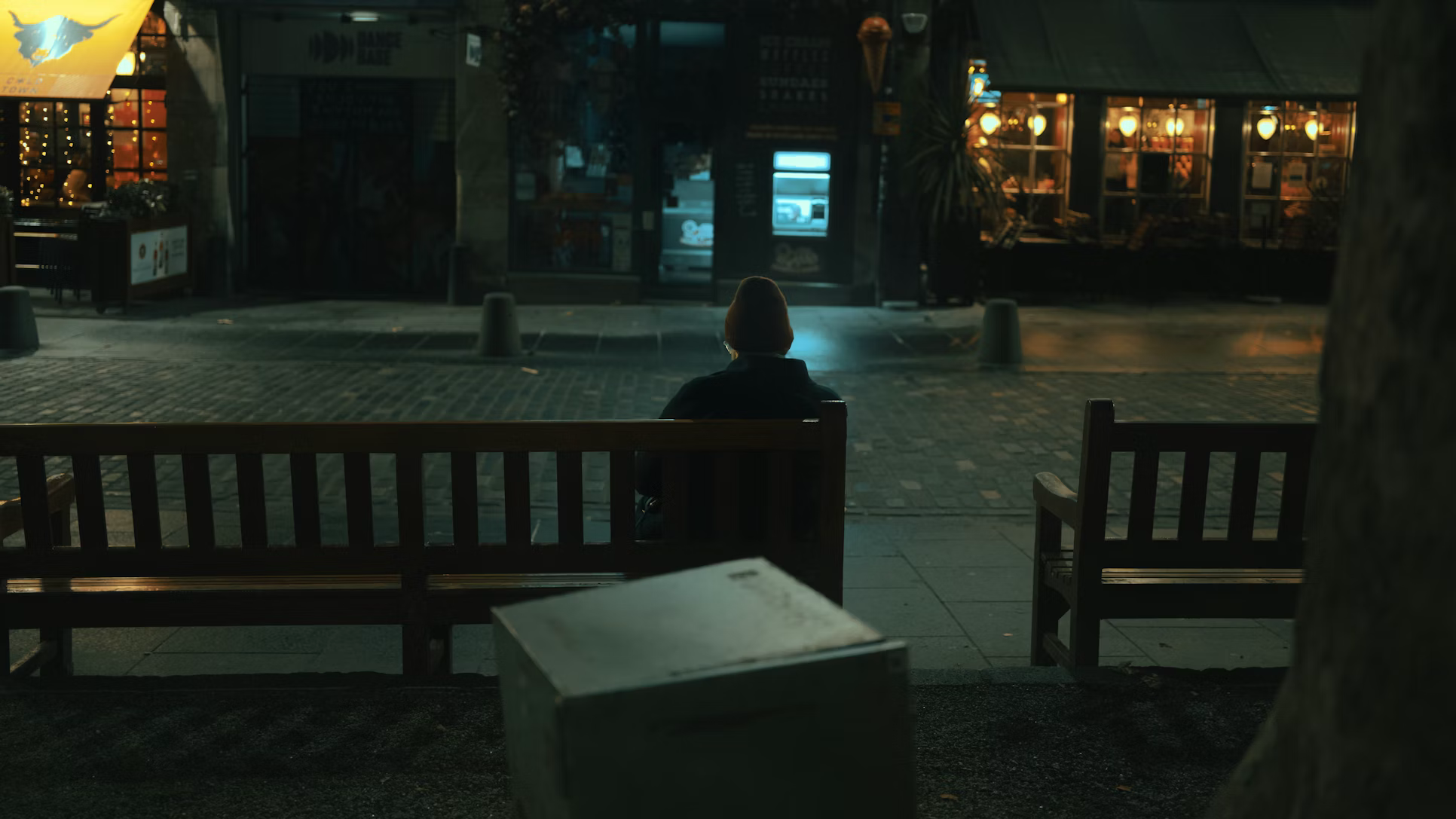
Editorial closing
Some waves pass quickly. Others linger longer than you expect.
You don’t always feel stronger afterward. But you do notice that you’re still here.
If the waves feel hardest at night, there’s a reason for that, and it has less to do with regression than with quiet.


