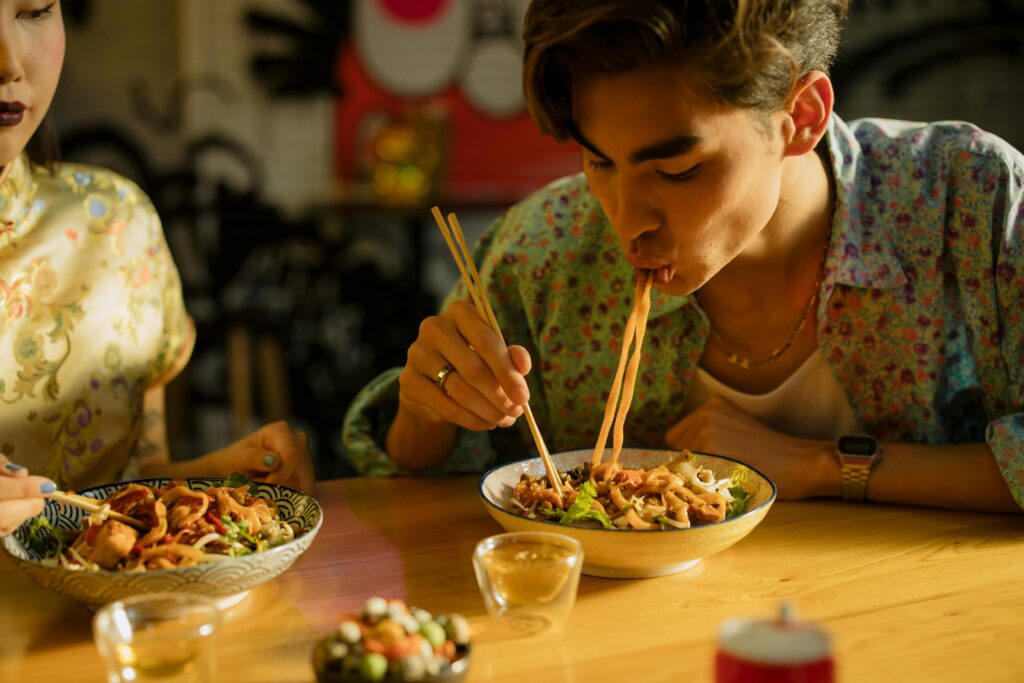
The phenomenon reached a fascinating peak during the recent viral debates surrounding British Chinese food on TikTok. When international viewers began questioning the thick gravies, the prominence of chips, and the bright curry sauces, a passionate army of local defenders immediately rushed to the comment sections. This wasn’t just a casual debate about dinner options, because food culture is intimately tied to our sense of safety, home, and belonging.
When we look closer at the phenomenon of uk chinese food, we’re actually observing how modern communities form around shared culinary core memories and defensive nostalgia. The foods that bring us the most comfort are rarely the ones praised by traditional culinary critics.
Psychology of Our Culinary Safe Havens
Our brains are wired to connect flavor profiles with emotional states, meaning that the meals we consume during moments of safety and joy become anchored in our subconscious. When life feels overwhelming and unpredictable, our instinct is to crave foods that offer absolute predictability and warmth. A classic British Chinese food order delivers exactly that, providing a sensory experience that has remained completely unchanged for generations. It represents a reliable sanctuary in a fast-moving world, which explains why a critique of the food feels like an attack on our personal history.
This emotional armor is precisely why online food debates become so incredibly heated and personal. We’re actively defending the validity of our comfort, our upbringing, and the people who shared those meals with us over the years. To dismiss a region’s go-to comfort meal is to dismiss the collective warmth of millions of childhood kitchens and late-night living room gatherings.
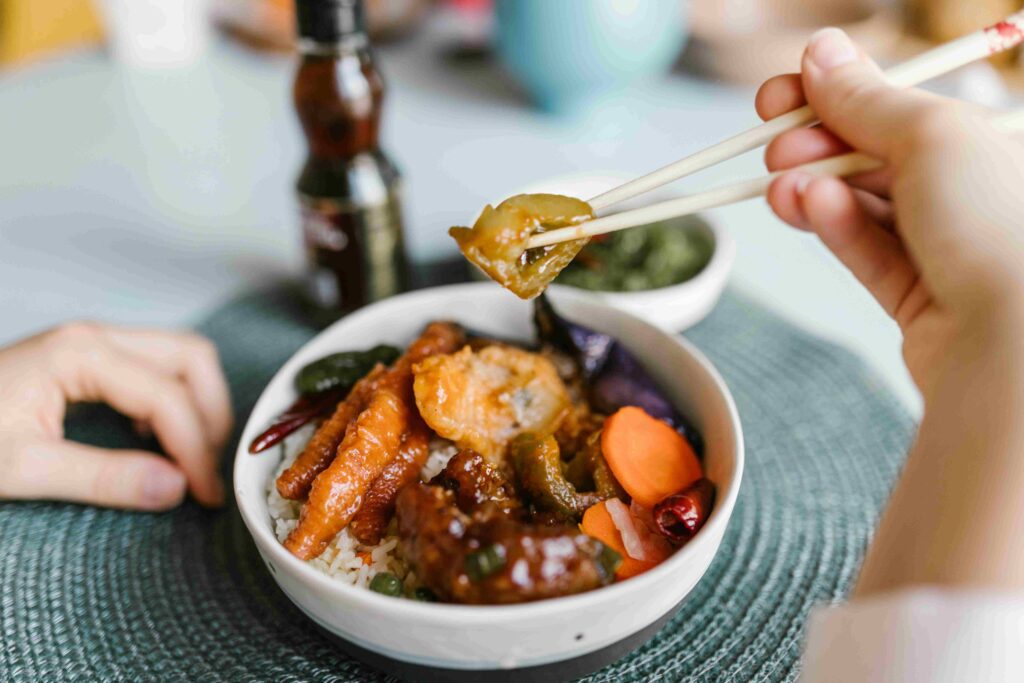
The Midnight Living Room Sanctuary
There’s a distinct ritual to how this food is consumed that directly shapes our psychological attachment to it. Think back to those rainy Friday nights when you’re completely exhausted from a brutal work week and the last thing you want to do is dress up for a fancy restaurant. You order from the local spot down the road, and twenty minutes later, you’re sitting cross-legged on the living room floor with your closest friends, passing around aluminum containers.
One person is aggressively shaking the paper bag of prawn crackers to distribute the salt, while someone else is already pouring curry sauce over a shared mountain of chow mein. In these moments, nobody cares about table manners, perfect aesthetic presentation, or counting calories. The food creates a temporary safe space where everyone can finally let their guard down, laugh too loud, and be completely themselves. It turns a simple living room into a sanctuary, binding the flavor of that specific meal to feelings of pure relief and effortless belonging.
Sensory Time Machine of Taste
Our memory is deeply intertwined with our senses, and certain flavors possess the incredible power to act as a literal time machine for our emotions. A perfect example of this is the first bite of a sweet and sour chicken ball after spending years away from your hometown. You might be living in a completely different city, navigating a stressful adult life with endless bills and corporate responsibilities.
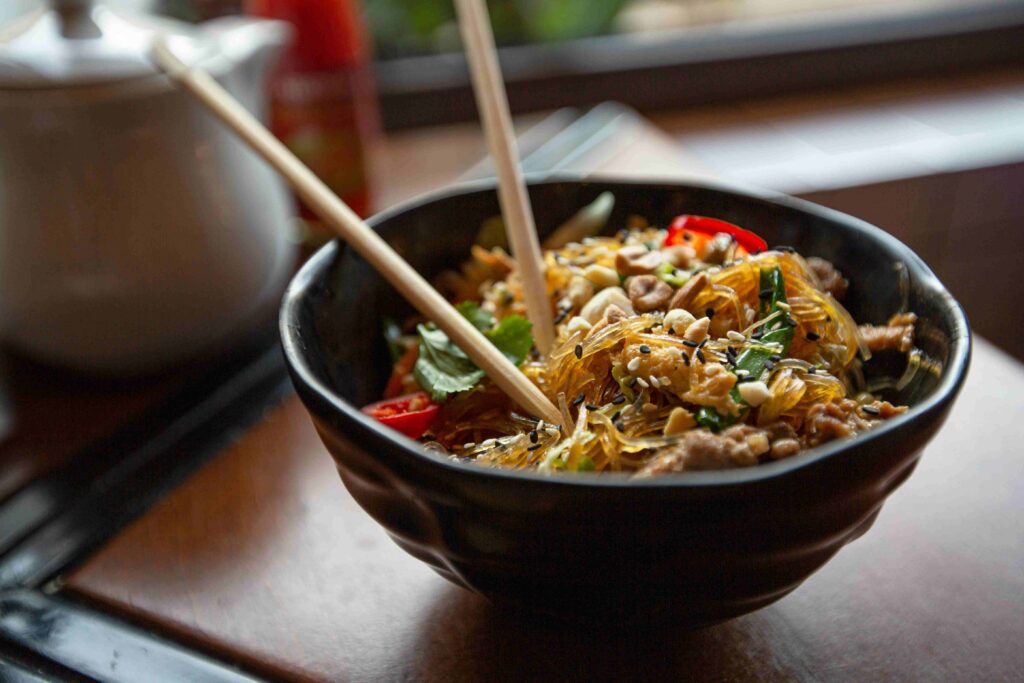
Yet, the exact moment that familiar, slightly tangy glaze hits your tongue, you’re instantly transported back to your teenage years, sitting on the counter of your parents’ kitchen. You can almost hear the familiar hum of the old television in the background and feel the total absence of real-world worries. We protect our favorite takeout spots so fiercely because they hold the keys to these forgotten moments of simplicity. Eating this food is a way of keeping a small, delicious piece of our personal history alive.
Why Social Media Amplifies Regional Pride
The digital landscape thrives on cultural contrast, and the unique presentation of uk chinese food became the perfect catalyst for a massive global conversation. When an international audience views these dishes through their own cultural lens, they often miss the rich history of immigrant adaptation and local community tastes that shaped the menu. The resulting clash creates a powerful opportunity for locals to express pride in their specific heritage. It turns a simple takeout review into a celebration of identity, drawing clear lines around what it means to truly belong to a place. This dynamic proves that the internet has transformed food from a private, physical experience into a highly visible, communal performance.
Sharing our hometown orders online allows us to signal where we come from and find our people in a crowded digital space. When you see thousands of people passionately defending the historical combination of salt and pepper chicken and gravy, you’re witnessing the creation of a modern digital tribe bound together by flavor.
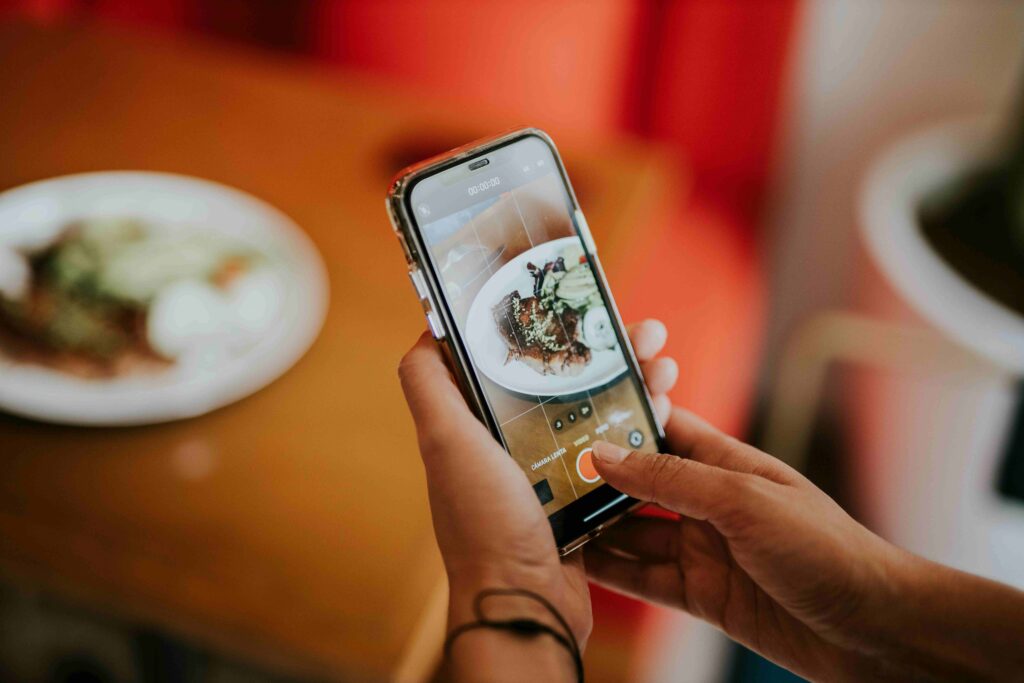
The Beauty of Imperfect Fusion
Every great regional takeout tradition is born from a beautiful, messy process of cultural collaboration and survival. Immigrant entrepreneurs have historically looked at the ingredients available to them and adapted their traditional recipes to match the palates of their new neighbors. The resulting culinary landscape is something completely original, existing as a testament to human resilience and creativity. When we appreciate British Chinese food for what it actually is, we see a vibrant living history rather than a deviation from authenticity.
True food authenticity is how much love, history, and community are poured into a dish by the people who make it and the people who eat it. The ultimate validation of any food tradition is the joy it brings to the table, and by that metric, these viral takeout boxes are completely flawless.
Conclusion
Ultimately, our obsession with watching people unpack their regional takeout orders speaks to a deep, universal hunger for connection and simplicity. Whether you’re craving a classic American takeout box or dreaming of a loaded plate of uk chinese food, the underlying emotional desire is exactly the same. We want to feel safe, we want to feel full, and we want to celebrate the wonderfully unique ways our hometowns learned to feed our souls.
The next time you see someone online passionately defending a bizarre food combination from their childhood, take a moment to appreciate the beautiful memories hiding behind the gravy.