So you’ve got your results. Two moon images, maybe a short paragraph telling you what your combination “means,” and now you’re sitting there either nodding along or refreshing the page to see if you typed the birthday in wrong. Either way, welcome. Moon phase compatibility is one of those things that’s genuinely fun to explore as long as you know what you’re actually looking at, and more importantly, what you’re not.
Here’s a real, easy breakdown of how to read your results without spiraling.
Start With the Eight Phases and What They Actually Mean
Before you can make sense of any matching moon phases result, it helps to know what each phase is loosely associated with in terms of emotional energy. Think of these less as personality types and more as tendencies, the way some people are naturally morning people and others don’t hit their stride until noon. Neither is wrong, they just move differently.
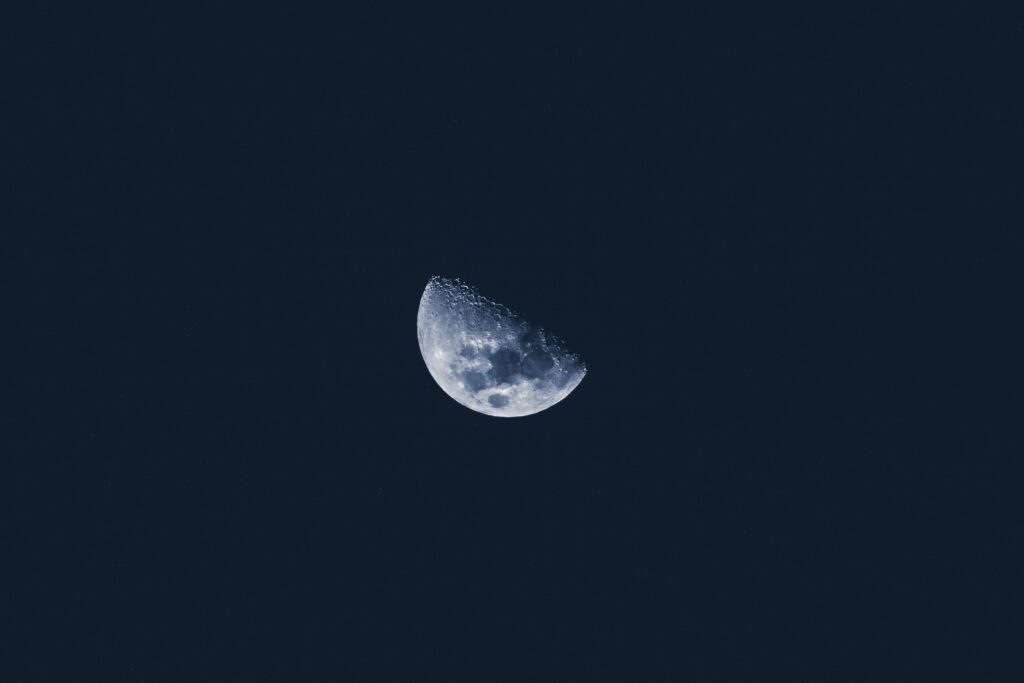
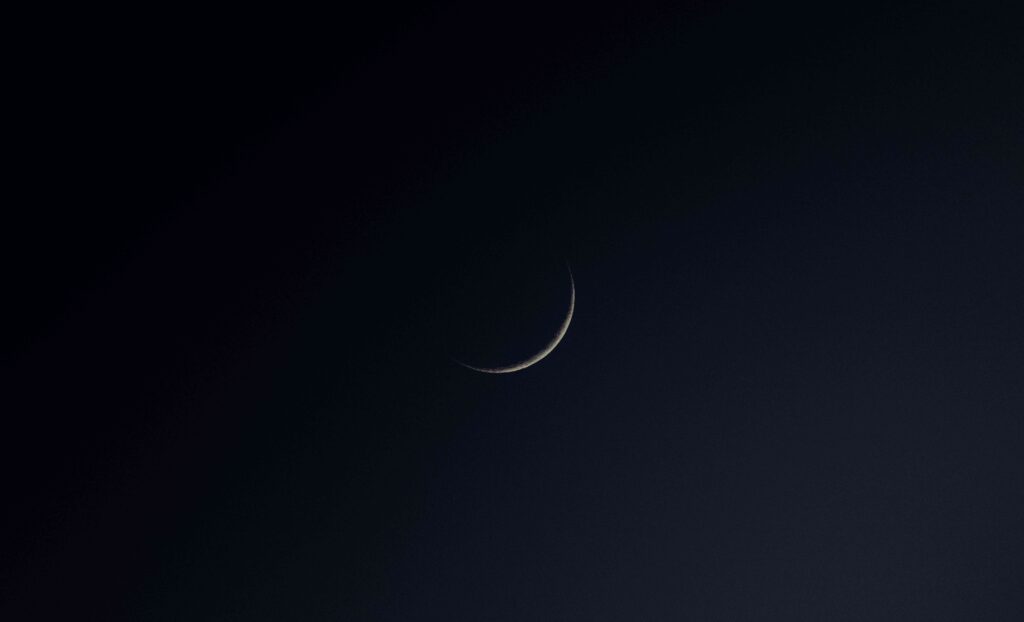
The new moon is the phase of beginnings and introversion. The waxing crescent carries an energy of building and intention, a natural goal-setter who’s always quietly working toward something. The first quarter moon is action-oriented and decisive, often the person who moves fast and figures it out along the way. The waxing gibbous is the refiner, detail-oriented, always looking for ways to improve and perfect.
Then comes the full moon, which is arguably the most emotionally intense phase. Full moon people tend to feel everything at the surface and need their feelings acknowledged before they can move on.
The waning gibbous is reflective and generous, someone who processes by sharing and often becomes a natural teacher or storyteller. The third quarter is the one who questions everything, driven by the need to understand the “why” behind things. And the waning crescent closes the cycle with surrender and rest, deeply intuitive, often the one who needs more quiet time than others to feel like themselves.
How to Read Two Phases Together
When you use a moon phase compatibility calculator and get two results side by side, you’re basically looking at how two different emotional rhythms interact. There are a few general patterns worth knowing.
Same phase or neighboring phases tend to produce a mirror dynamic. Two full moon people, for example, might feel deeply understood by each other because they both lead with emotion and neither needs to explain why they feel so much. However they might also amplify each other during conflict, both needing to be heard at the same time with nobody naturally stepping into the listening role first. Same-phase pairs often feel like meeting yourself, which is both comforting and occasionally a lot.
Opposite phases, like a new moon and a full moon, or a waxing crescent and a waning crescent, create that satisfying “two halves of a circle” visual that the moon phase compatibility trend made famous. These combinations often feel complementary, one person brings an energy the other naturally lacks. A new moon person who processes quietly paired with a full moon person who processes out loud can actually balance really well, as long as both people understand that the other isn’t broken for being different. The friction only comes when one person interprets the other’s style as rejection or indifference.
Phases that are two or three steps apart, like a first quarter and a waning gibbous, tend to describe pairs who approach things from genuinely different angles but can build something interesting together if they’re patient with the gap.
A Closer Look at the Friction
Take a first quarter moon person and a waning crescent moon person. The first quarter moves fast, makes decisions intuitively, and gets frustrated when things stall. The waning crescent needs space to reflect, hates being rushed, and tends to close down when pushed. Plenty of people in exactly that combination describe their dynamic as one person knowing when to push and the other knowing when to slow down, and between them they rarely make a decision they regret.
The matching moon phases concept here is saying: here’s a potential friction point, here’s what to watch for. That’s actually how the most useful compatibility frameworks work as vocabulary.
The Things a Moon Chart Can’t Tell You
A moon phase compatibility calculator is pulling from your birthday and nothing else. It doesn’t know if you’ve done a lot of personal growth and doesn’t know if someone’s full moon intensity is actually a trauma response they’re working through, or if someone’s new moon quietness is depression rather than introversion. Real compatibility is built from context, history, effort, and honestly just a lot of conversations, and none of that fits into a calculator.
What a moon chart does well is offer a starting point for thinking about emotional patterns. If your result resonates, explore it. If it doesn’t, set it down. The goal was never to let the moon make decisions for you.
How to Actually Use This in Real Life
The best way to engage with moon phase compatibility is to treat it like a mirror. Look at your result and ask:
“Does this description of my emotional style feel true? Is this a pattern I recognize in myself?”
If yes, that’s useful self-knowledge regardless of where it came from. Then look at your person’s result and ask the same question about them, ideally with them, over coffee or in a text thread at an unreasonable hour.
Use it to spark a conversation you’d want to have anyway. Things like “do you think we handle stress differently” or “what does it look like when you’re overwhelmed” are worth knowing about anyone you care about, and sometimes it’s easier to get there through a shared activity than it is to just suddenly start asking.
Key Takeaway
Moon phase compatibility is at its best when it’s a conversation tool. The phases give you a loose, friendly language for something that’s usually hard to talk about: the fact that people process emotion differently and that’s okay. Your results are a starting place, and what you do with them is entirely up to you.
Did this break down your results perfectly or are you still debating your chart?
Share this article with your favorite moon phase partner and see if they agree with your dynamic!