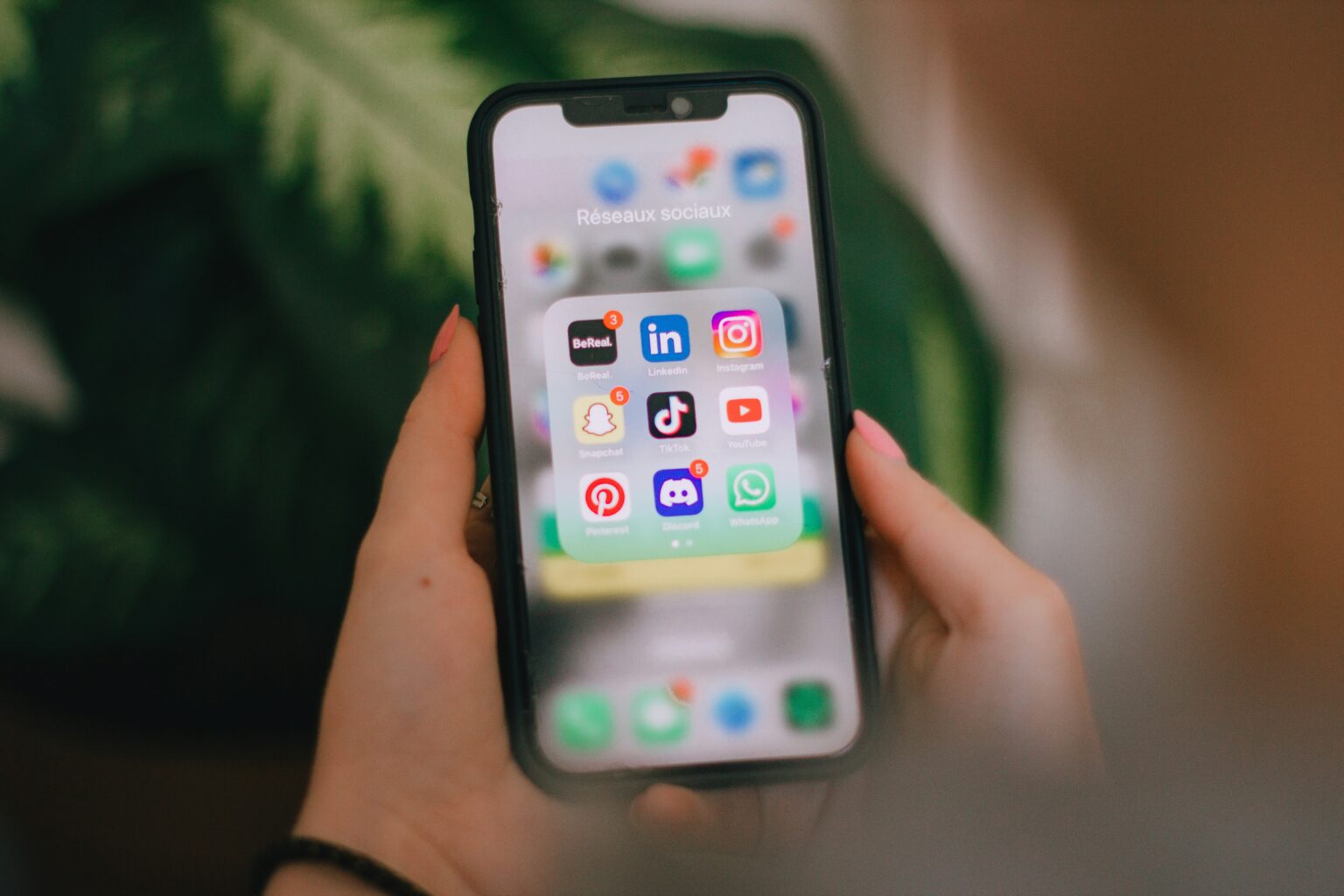
Unfollowing. Blocking. Posting cryptic quotes that everyone knew were about someone.
Making a statement out of your exit, we used to think that to move on, we’d burn the bridge with as much fire as possible so the whole world could see the smoke.
People are muting lately, and it’s just a soft click. In 2026, mute’s become less about social media settings and more about emotional pacing.
It’s a form of self-regulation in a world that constantly asks for access to your attention, and attention is intimate, especially in love and friendship.
So what does it really mean when someone chooses to mute instead of react?
The Shift From Reaction to Regulation
We live inside each other’s updates now, our phones hand us emotional triggers before we’ve even had our coffee. Muting is an acknowledgment that you do care, more than you’d like to admit.
When you mute someone after a breakup, you aren’t denying the history. You’re giving your nervous system space to recalibrate without the shock of surprise intimacy.
Seeing your former partner smiling in a new city can feel like reopening a door that’s technically closed but still warm to the touch.
I’ve talked to people who describe that “stomach-drop” feeling the moment a certain name pops up on their feed, actually it’s a physical reaction.
Research around digital exposure and emotional recovery gently pointed to something intuitive: constant visibility slows healing.


The brain processes social rejection and longing in overlapping ways, and repeated reminders keep those circuits active.
When we reduce exposure, reduce activation. Gradually, muting becomes less about them and more about your bandwidth.
The Difference Between Silence and Distance
Distance isn’t the same as silence. You can mute a friend who’s going through a season of constant venting because you notice your empathy’s turning into resentment.
Or you can mute a situationship whose ambiguity keeps you in a loop of hope and confusion because you want your evenings back.
In romantic dynamics especially, overexposure can create a false sense of intimacy. Watching someone’s daily life through stories can trick your brain into feeling connected, even if your conversations are inconsistent or unclear.
Muting interrupts that illusion. It asks a gentle question: if I’m not watching them, what am I actually feeling?

Loneliness, relief, and peace, that answer often tells you more about the relationship than the content ever could.
Attention Is the New Currency
We used to talk about love languages as gifts, words, or touch. Now, one of the most powerful currencies is attention.
Who gets to live rent-free in your mental space? Who shapes your mood before you’ve even spoken to them?
When you mute, you’re reallocating attention. And attention when redirected inward, it can be clarifying, your mind stops scanning for meaning in every digital breadcrumb without constant updates.
That mental energy goes somewhere else. The absence of noise can surface truths you were too distracted to hear, and that’s where the real power sits.
Key Takeaways: What Mute Really Means
At its core, muting is about reclaiming the narrative of your own day. It’s an internal boundary that doesn’t require an audience or an announcement.
By muting, you’re acknowledging that it’s the ultimate act of self-respect because it prioritizes your internal peace over the social pressure to be fine with seeing everything.
Reflection
Muting is about returning to your own. It’s the quietest, most radical act of self-care we’ve in a hyper-visible world.

So, if you’re holding onto a digital connection that’s draining your spirit, ask yourself:
What would happen if I just… stopped looking?
As you navigate your own feeds this week, try to pay close attention to the subtle shifts in your nervous system.
Notice whose updates bring you a sense of genuine lightness and whose posts make your chest feel unexpectedly tight. You have the absolute right to curate a digital environment that actively supports your well-being, one boundary at a time.
Before you close this tab, we would love to know where you currently stand in your own digital boundary journey.
Take a second to check in with yourself and drop your vote in the comments below. Which of these feels the most true for you right now?
Option A: I’m a serial muter and it’s absolutely the best way I protect my peace.
Option B: I still feel a little too guilty to use the mute button on people I actually know in real life.
Option C: I honestly prefer the clean break of a hard block over a subtle mute.
Option D: I’m now realizing that I desperately need to start curating my daily feed.