
The arrival of spring break offers families a welcome change of pace, and also introduces unique challenges to a child’s daily structure. For young children, the sudden departure from school routines, combined with the sensory stimulation of holiday gatherings, frequently results in behavioral changes. Caregivers are often left looking for practical spring break family ideas that can preserve household harmony while keeping children cooperative and calm.
While these high-energy moments are a natural part of childhood celebrations, pediatric insights suggest that low-stress, playful interactions are excellent tools for restoring behavioral balance. Utilizing lighthearted humor such as sharing simple Easter jokes for kids serves as a grounded, proactive approach when caregivers are handling toddler sugar rush behaviors and looking for a quick emotional reset.
Understanding the Mechanics of Holiday Overstimulation
Major seasonal holidays are packed with sensory stimuli that can easily push a young child past their emotional comfort zone. Using simple verbal play like Easter jokes for kids works as an effective behavioral pattern interrupt. Rather than escalating a power struggle, it redirects a child’s focus through a low-stakes relational connection.
1. Regulating the Nervous System
Laughter triggers a positive physiological response, lowering immediate stress hormones for both the caregiver and the child. This chemical shift helps soften a rising fight-or-flight response before it transitions into a full behavioral breakdown.

2. Creating a Relational Buffer
Stepping away from a busy room to share a brief, silly moment shifts the child’s focus from overwhelming external expectations back to a safe, predictable connection with a parent.
3. Validating the Child’s Experience
Prioritizing a lighthearted interaction over rigid social performance gives a child the emotional space they need to regulate, which is incredibly helpful when parents are handling toddler sugar rush physical restlessness in public settings.
Cognitive and Social Benefits of Verbal Play
Beyond simple behavior management, engaging with traditional riddles and wordplay provides solid developmental benefits that passive digital screens can’t replicate. When children process the puns found in festive humor, they are actively strengthening their language skills outside the classroom environment.
1. Language Acquisition and Semantic Processing
Deciphering wordplay requires children to navigate the complexities of linguistics, forcing them to understand double meanings, homophones, and vocal inflections. When a child hears a pun, their brain must rapidly switch between different definitions of the same word to find the humor. This mental agility quietly boosts their reading comprehension, contextual vocabulary, and auditory processing speeds. Unlike reading a static textbook, processing a joke teaches children to appreciate the elasticity of language, setting a strong foundation for advanced communication skills later in life.
2. Problem-Solving and Lateral Thinking
Connecting a riddle to its punchline encourages a unique form of cognitive problem-solving known as lateral thinking. Standard education typically rewards linear, logical deduction.

However, humor demands that young minds abandon the obvious answer and link entirely different concepts in a creative, low-pressure way. This process exercises the brain’s executive functioning center, which manages cognitive flexibility and creative problem-solving. By learning to look at a single question from multiple angles to find the “twist,” children build the mental resilience needed to approach complex academic and real-world problems with curiosity rather than frustration.
3. Social Integration and Conversational Competence
When a child memorizes these sweet jokes and shares them with relatives or peers at the dinner table, they are practicing vital social integration skills. Delivering a joke successfully requires far more than just repeating words; it demands an understanding of conversational timing, audience engagement, and narrative pacing. The child must learn to read the room, wait for a natural pause in adult conversation, and project their voice with confidence.
Furthermore, experiencing the positive feedback of a shared family laugh provides a healthy boost of social confidence. It teaches children how to use lighthearted humor as a tool for bonding, turning simple holiday moments into highly successful, screen-free spring break family ideas that bring different generations closer together.
Real-World Realities: Managing the Sugar Holiday
To understand why lighthearted connection works, it helps to examine how modern holiday environments impact a child’s physiology. Sudden spikes in refined sugar, combined with missed afternoon naps or altered bedtimes, directly impair a toddler’s executive functioning and emotional regulation.
Experienced caregivers know that the most vulnerable point of a spring holiday is the immediate aftermath of the excitement, the exact moment when the initial novelty fades and physical fatigue sets in. This is where having a mental bank of simple Easter jokes for kids becomes a highly practical asset. It requires zero preparation, costs nothing, and provides an immediate conversational pivot to distract an overtired child. This approach moves the parental dynamic away from reactive discipline and shifts it toward proactive, co-regulatory connection.
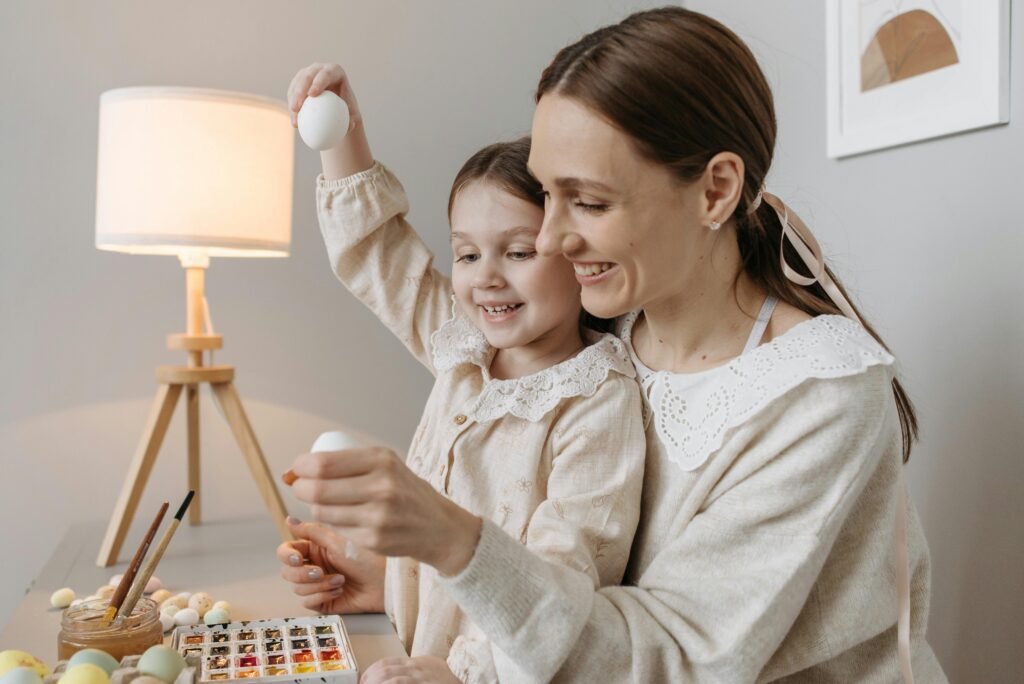
Prioritizing Emotional Safety Over Holiday Perfection
In a digital landscape filled with highly curated family aesthetics, it’s easy to succumb to the pressure of staging a flawless holiday weekend. Parents frequently overextend their energy and budgets trying to engineer a picture-perfect environment. However, child development experts remind us that children build them out of emotional predictability and shared presence.
The next time you feel the tension rising on a busy spring morning, take a breath and intentionally lower the bar. Drop the expectation of executing an elaborate, rigid itinerary and embrace the unpolished charm of simply being present with your child. Keep a few simple Easter jokes for kids ready to defuse a looming argument, accept that handling toddler sugar rush moments requires calm patience, and allow yourself to find peace in a quiet moment of shared laughter. In the grand scheme of their childhood, those small, connected interactions are the exact foundation that long-term emotional security is built upon.
Let’s Chat!
How does your household handle the intense sugar-fueled energy of spring holidays?
Do you have a legendary joke that always gets the kids laughing at the breakfast table?
Drop your best kid-friendly punchlines in the comments below, or share this list with a fellow parent who is currently prepping for the holiday scramble!