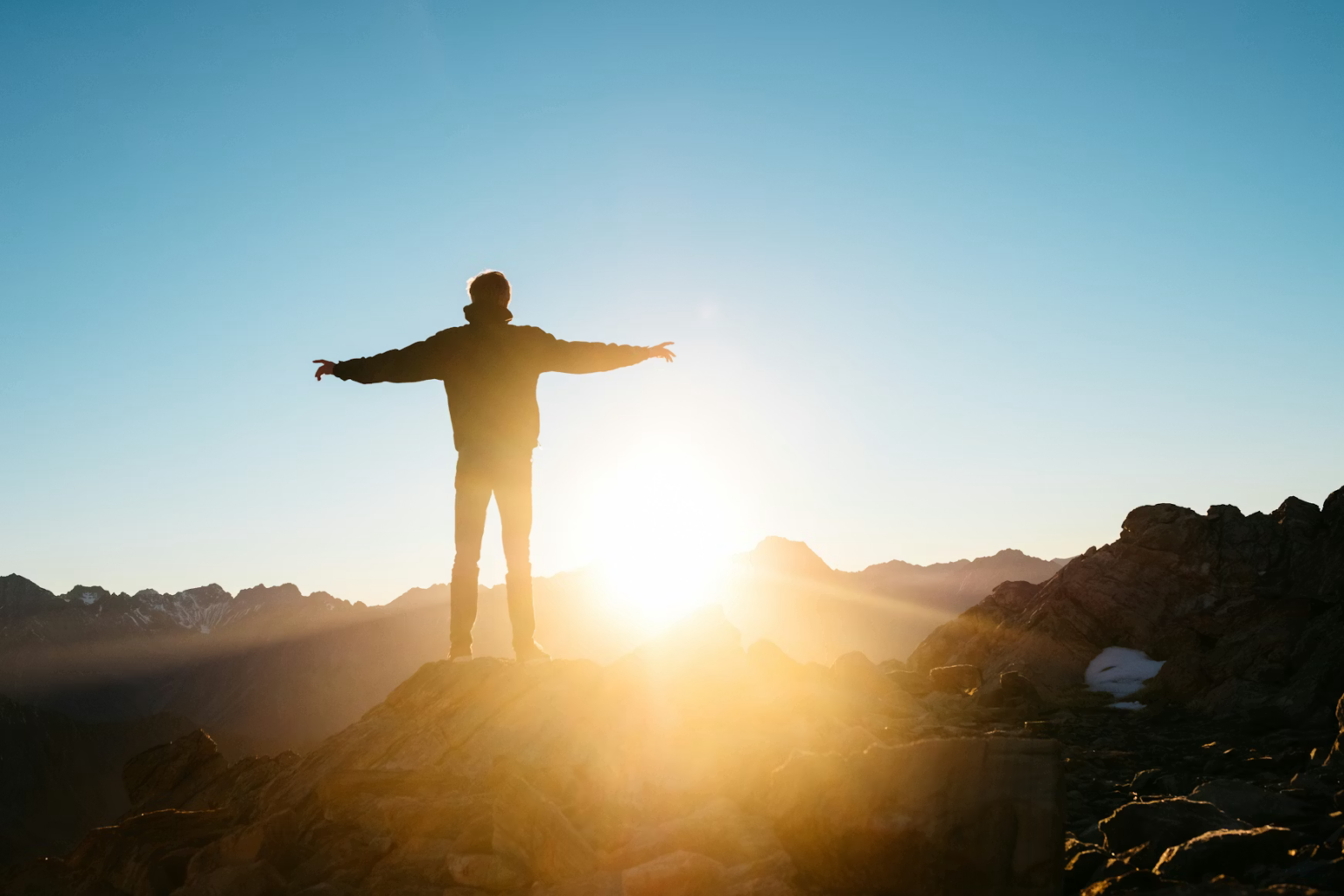
Before becoming single, many people imagine that living on their own will be all about freedom, personal growth, and adventures. It sounds empowering, and it’s easy to think that independence is the ultimate goal.
But once you start living single, the reality is much more complex.
Single life isn’t just about having the freedom to do whatever you want; it’s about navigating the emotional realities that come with it.
There are moments of joy and fulfillment, but there are also periods of loneliness, self-doubt, and adjustment.
Being single means you have more control over your life, but you also take on the full emotional and practical responsibility of everything.
The Emotional Weight of Freedom: Empowerment vs. Isolation
Before becoming single, the idea of freedom sounds like the ultimate reward.
No more compromises, no more answering to anyone else. You’ll have total control over your schedule, your decisions, and your life. The autonomy to make choices without needing anyone else’s input is an exciting prospect.
But the reality is that freedom comes with a significant emotional weight.
While independence is empowering, it can also feel isolating.
You’re now responsible for every single emotional and logistical aspect of your life, such as work, socializing, household tasks, mental health, and everything in between.


You may find that having no one to lean on for support can feel heavy, especially during difficult times.
The freedom you gain often feels bittersweet when loneliness sets in.
You’re no longer able to share your experiences, thoughts, and feelings with someone on a daily basis, and it’s easy to miss the emotional closeness of a partner.
Self-Discovery: Growth vs. Self-Doubt
Before being single, it’s easy to imagine that this time will be all about self-discovery: learning more about who you are, pursuing personal growth, and becoming the best version of yourself.
However, the reality of self-discovery is often a complicated, messy process.
Sure, there are moments of clarity and insight, but there are also periods of self-doubt, uncertainty, and fear. When you’re alone, you’re forced to confront your emotions head-on, both the good and the bad.
The journey of self-discovery involves plenty of setbacks and internal struggles. You might feel lost at times, especially when you’re faced with the reality of healing from past relationships, or navigating life on your own.
But over time, you’ll come to realize that the growth you experience as a single person can be one of the most rewarding aspects of your journey.
Learning to be comfortable with who you are, without relying on someone else’s approval, can lead to profound self-love and empowerment.
Social Life: Connection vs. Disconnection
Before being single, you might think of single life as one long string of fun nights out with friends, spontaneous adventures, and meeting new people on a regular basis.
You imagine yourself having more freedom to engage with your social circle, without the emotional weight of a relationship.
The reality, however, is that socializing as a single person isn’t always as easy as it sounds.
Without a partner to accompany you to events or outings, you may find that socializing becomes less frequent, or more awkward, especially if most of your friends are in relationships.
Even though you have more time to spend with others, you may feel disconnected or left out, particularly at events where couples dominate. There’s often a pressure to keep busy, but the fun doesn’t always feel fulfilling.
The upside? You’ll also have the opportunity to cultivate new connections with people who share similar experiences. You’ll learn to enjoy your own company, finding peace in spending time alone, rather than constantly seeking external validation.
The Reality of Loneliness: Expectation vs. Reality
Before being single, you imagine that having time to yourself will feel liberating: a chance to relax, recharge, and focus on your personal goals without anyone else’s demands on your time.
The reality is that loneliness often creeps in. Even though you have more time than ever before, it doesn’t always feel as fulfilling as expected. You may experience feelings of isolation when you have no one to share your experiences with, or you might feel disconnected from your friends and family.


Social media can amplify feelings of loneliness when it seems like everyone else is living a picture-perfect life with their significant others, leaving you questioning your own relationship status.
Learning how to cope with loneliness is an important part of the single experience.
Embracing solitude without feeling lonely can be one of the most difficult and rewarding parts of being single. It’s about finding joy in your own company and creating a life that’s fulfilling without relying on external sources for happiness.
Independence vs. Overwhelming Responsibility
Before being single, it’s easy to think that being on your own means complete freedom, you can live exactly how you want, without compromising your time or goals.
The reality is that being independent often means handling everything on your own, from managing finances and scheduling to dealing with problems that arise.
There’s no one to share the load with when you’re dealing with difficult situations, and it can feel exhausting.
Suddenly, the emotional weight of being responsible for every aspect of your life, without anyone to lean on, becomes very real.
While being independent has its benefits, taking on every responsibility on your own can leave you feeling stretched thin. The emotional and mental burden of independence sometimes becomes overwhelming, and self-care becomes not just a luxury, but a necessity.
Self-Care and Healing: Empowerment vs. Vulnerability
Before becoming single, there’s an expectation that you’ll thrive during this time, including focusing on your health, your goals, and finding peace within yourself.
In reality, healing isn’t always smooth. Vulnerability often comes to the surface, whether it’s dealing with the emotional aftermath of a breakup, learning how to cope with self-doubt, or learning how to trust yourself again.
Healing takes time, and it can feel uncomfortable. You might feel like you’re constantly working through old wounds or confronting emotions that you’ve been avoiding for years.
The path to true self-care involves confronting your fears and insecurities, but it’s ultimately empowering.
When you take care of yourself, emotionally and physically, you’ll build a deeper connection with your inner strength, learning that being alone doesn’t mean being incomplete.
It’s about creating a life where you feel whole, even without a partner.
The New Definition of Success: Achievement vs. Emotional Balance
Before being single, success was often defined by career milestones, personal achievements, and the life you were building with someone else.
After becoming single, you may think that success means independence and personal growth, which is being the best version of yourself.
However, success isn’t just about achieving goals anymore, it’s also about finding balance emotionally, mentally, and physically.
Single life requires a new kind of success: emotional balance. Being able to navigate loneliness, embrace independence, and build fulfilling relationships with yourself and others is just as important as any career milestone or achievement.
Key Takeaway
Single life is a complex emotional journey. It’s filled with highs and lows, empowerment and vulnerability. Learning to navigate loneliness, self-discovery, and independence will lead to personal growth, but it’s important to embrace the messiness of the process.