


Single life is often depicted as glamorous: an endless stream of spontaneous adventures, personal growth, and effortless freedom.
Before stepping into it, many envision personal growth happening seamlessly, with plenty of time for self-care, fun, and deep reflection.
However, the reality of living alone is much more complex. It’s a constant emotional balancing act, like embracing the freedom while also learning to manage the loneliness that often accompanies it.
The journey from expectation to reality is filled with highs, lows, and a lot of self-discovery. Here’s what living single really feels like.
1. The Illusion of Constant Freedom vs. The Reality of Emotional Responsibility
Before becoming single, many imagine a life full of freedom, including no commitments, no compromises, and the ability to do exactly what you want, whenever you want. The idea of living on your terms feels empowering.
But the reality is that freedom often comes with emotional responsibility.
Yes, you have control over your time and your decisions, but with that comes the weight of managing everything yourself, such as finances, chores, mental health, and day-to-day logistics.
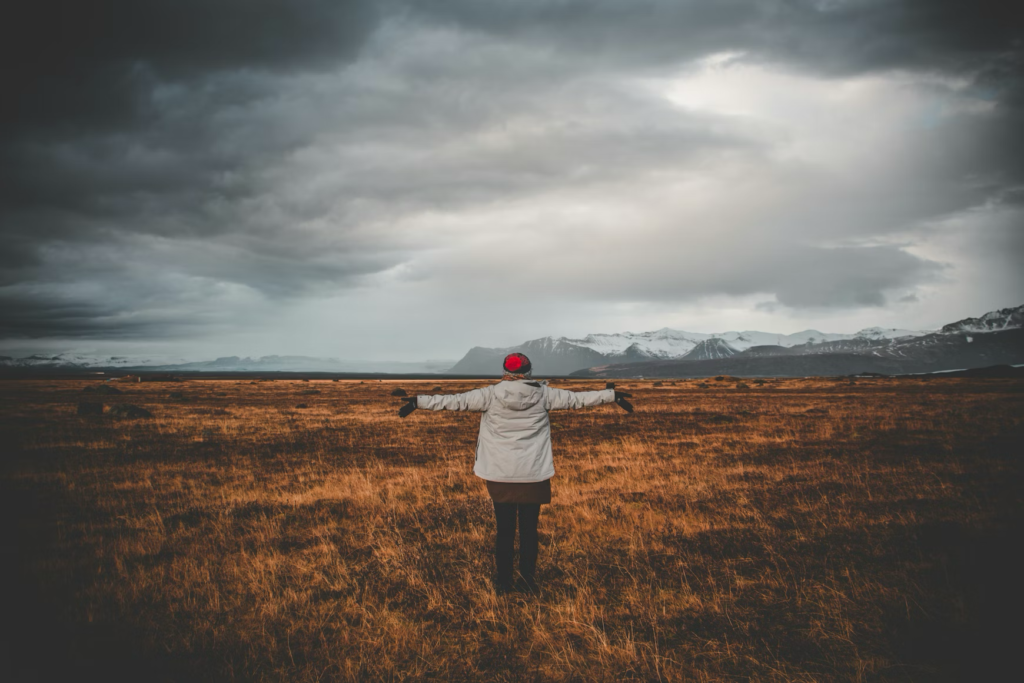
The emotional burden of being responsible for your own happiness and well-being can feel like a heavy load at times. The peace of being alone can often feel like solitude instead.
2. More Time for Personal Growth vs. The Pressure to Be “Always On”
Before being single, it’s easy to imagine that you’ll have more time for personal growth, such as learning new skills, pursuing new hobbies, and diving into self-improvement.
In reality, while there’s more time for yourself, the pressure to be productive often creeps in.
There’s an underlying sense of urgency to make the most of your time alone, to grow and evolve at an accelerated pace.
The idea that you must be constantly improving can create self-doubt when you don’t feel like you’re doing enough. The journey of self-growth can feel like a constant struggle to meet your own expectations.

3. The Dream of Constant Socializing vs. The Reality of Quiet Nights Alone
Before being single, we think of a life full of socializing, parties, and making last-minute plans. You imagine a social calendar packed with fun, spontaneous nights out and new connections.
In reality, socializing can feel like a hit or miss.
You have more time for yourself, but without a partner, socializing often becomes less frequent. Events and gatherings can sometimes leave you feeling like an outsider, especially when most people are in relationships.
The quiet nights in become more common than the exciting nights out, and what once seemed like fun can now feel like an effort to fill the void. Loneliness sometimes creeps in, even in a room full of people.
4. The Dream of Personal Autonomy vs. The Weight of Responsibility
Before being single, the idea of complete autonomy sounds like the ultimate goal. You imagine that being single means total control over your time and space, with no one to answer to but yourself.
But after becoming single, you realize that autonomy comes with its own set of challenges.
You’re in charge of every decision: emotional, financial, and practical. You have to manage everything, from maintaining your home to keeping your mental health in check.
Freedom is liberating, but it can also be emotionally draining when you realize you’re entirely responsible for yourself.
5. The Fantasy of Endless Me-Time vs. The Reality of Emotional Needs
Before being single, you think of me-time as a chance to focus entirely on yourself: spend hours reading, exercising, cooking, or pursuing hobbies without interruption.
In reality, while you have more time for yourself, emotional needs sometimes remain unmet.
The need for connection doesn’t disappear just because you have more space. Me-time isn’t always as fulfilling as imagined when you’re longing for companionship or emotional intimacy.
The loneliness of being alone at times can overshadow the supposed freedom that comes with it.
6. The Ideal of Self-Discovery vs. The Reality of Self-Doubt
Before becoming single, it’s easy to think of self-discovery as an exciting journey, finally having the time to figure out who you are and what you want out of life.
The reality is that self-discovery can be full of uncertainty and self-doubt. The process of getting to know yourself can bring up old insecurities or make you question decisions you never had to consider before.
While you may think that single life will lead to a clearer sense of self, it can often feel like a continuous exploration that doesn’t always provide the answers you expect.
7. The Desire for Connection vs. The Struggles with Loneliness
Before being single, you think that living alone will be full of moments to reflect, be at peace, and focus on self-love.
In reality, loneliness often creeps in, even when you’re doing everything right.
The emotional connection that you’re craving might not come immediately, leaving you feeling isolated. Relationships, whether romantic or platonic, require effort to nurture, and the absence of those can make solitude feel heavier.

Finding peace in loneliness becomes a process, one that requires learning to enjoy your own company without feeling disconnected.
Key Takeaway
Single life is a journey of growth, adjustment, and emotional learning. It isn’t just about freedom; it’s about embracing both independence and the emotional challenges that come with it. Finding balance in moments of solitude, learning to navigate loneliness, and accepting the ups and downs is part of the process.
