

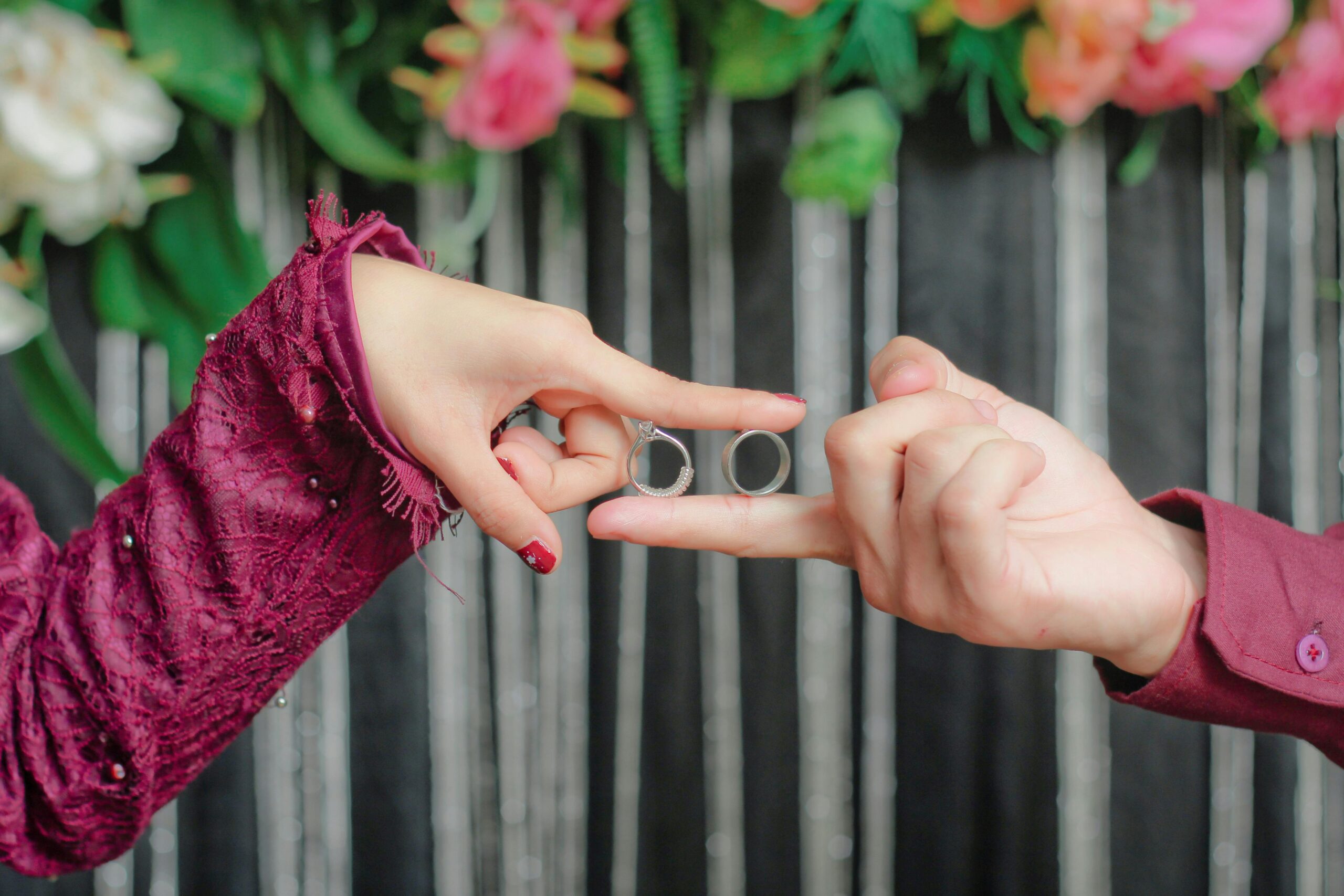
Modern marriage is no longer a shared starting line. The old consensus that suggested dating inevitably leads to a joint bank account and a shared mortgage has fractured.
What we’re seeing now is a fundamental divergence in how different genders calculate the value of the deal.
The data and the dinner table conversations show a widening distance. On one side, there’s a protective retreat from domestic labor; on the other, a paralyzed wait for professional perfection.
The reasons for staying single are no longer the same, and the fears behind the wait are beginning to look like two entirely different languages.
The Shift In The Cost-Benefit Analysis
For a long time, marriage was sold as a partnership that offered stability to both sides. But for many modern women, that math is being recalculated.
With more financial independence and a higher focus on career autonomy, the need for a partner to provide security has diminished. Instead, the focus has shifted to the emotional and domestic tax of marriage.

Many women are looking at the generations before them: the second shift of housecleaning and childcare that fell on their mothers and asking if the trade-off is worth it.
They reject a specific, outdated version of a contract that feels like it offers less freedom than staying single.
The Success First Hurdle For Men
On the other side of the gap, many men still feel the weight of the traditional provider role, even if the world around them has changed.
There’s a persistent sense that they aren’t qualified for marriage until they have reached a certain level of professional or financial success.
This creates a high barrier to entry. While women are often waiting because they want to ensure their independence is protected, men are often waiting because they feel they haven’t proven themselves yet.
This leads to a specific kind of paralysis where marriage feels like a luxury item you can only afford once you’ve made it, rather than a partnership you build from the ground up.

Different Versions Of The Waiting Room
The gap is also visible in what people are doing while they wait. We see a growing divergence in social circles and lifestyle choices.
- The solo thriving phase: More women are investing in found families like friendships, travel, and homeownership on their own terms. They’re building lives that feel complete without a spouse.
- The achievement tunnel: Many men are doubling down on career or personal milestones, operating under the assumption that the right person will appear once they have the right bank balance.
The result is two groups of people living in entirely different mental landscapes, even when they’re sitting across from each other on a first date.
The Part No One Says Out Loud
Sometimes, the marriage gap is a fundamental difference in how we perceive risk. For many, marriage has moved from being a safe harbor to being a high-stakes gamble.
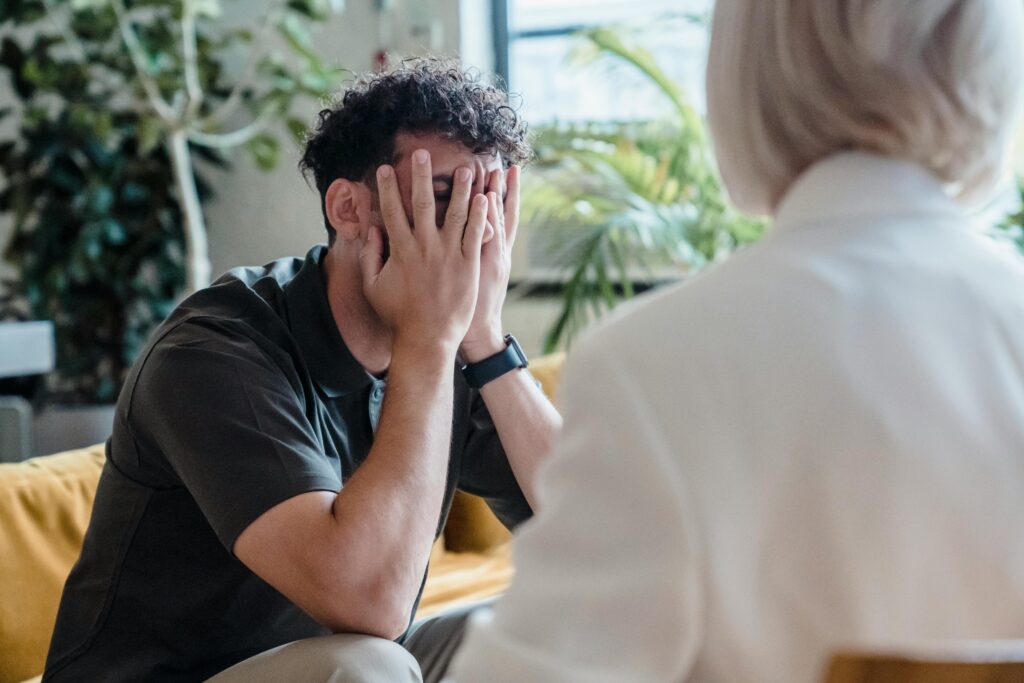
We’re afraid of repeating the patterns of the past, however we haven’t figured out how to write a new script that feels fair to everyone involved.
We’re navigating a world that didn’t come with a manual, trying to find a way to connect while the old rules are still crumbling around us.
Takeaway
It’s important to realize that this gap is a sign that the old deal of marriage is currently under renegotiation. We’re all trying to figure out what a partnership looks like when it isn’t based on necessity, but on actual, mutual desire.
The distance between how men and women see the future is just a sign that we need better conversations about what we are actually looking for.
Next Steps
Understanding why behind the gap is the only way to start closing it or at least, to stop feeling so lonely within it.
If you’re tired of feeling like you’re playing a game where the rules keep changing, it might be time to look at the bigger picture.
Let’s explore this analysis for deeply understanding: The Great Disconnect: 4 Reasons the Marriage Gap Is Widening
