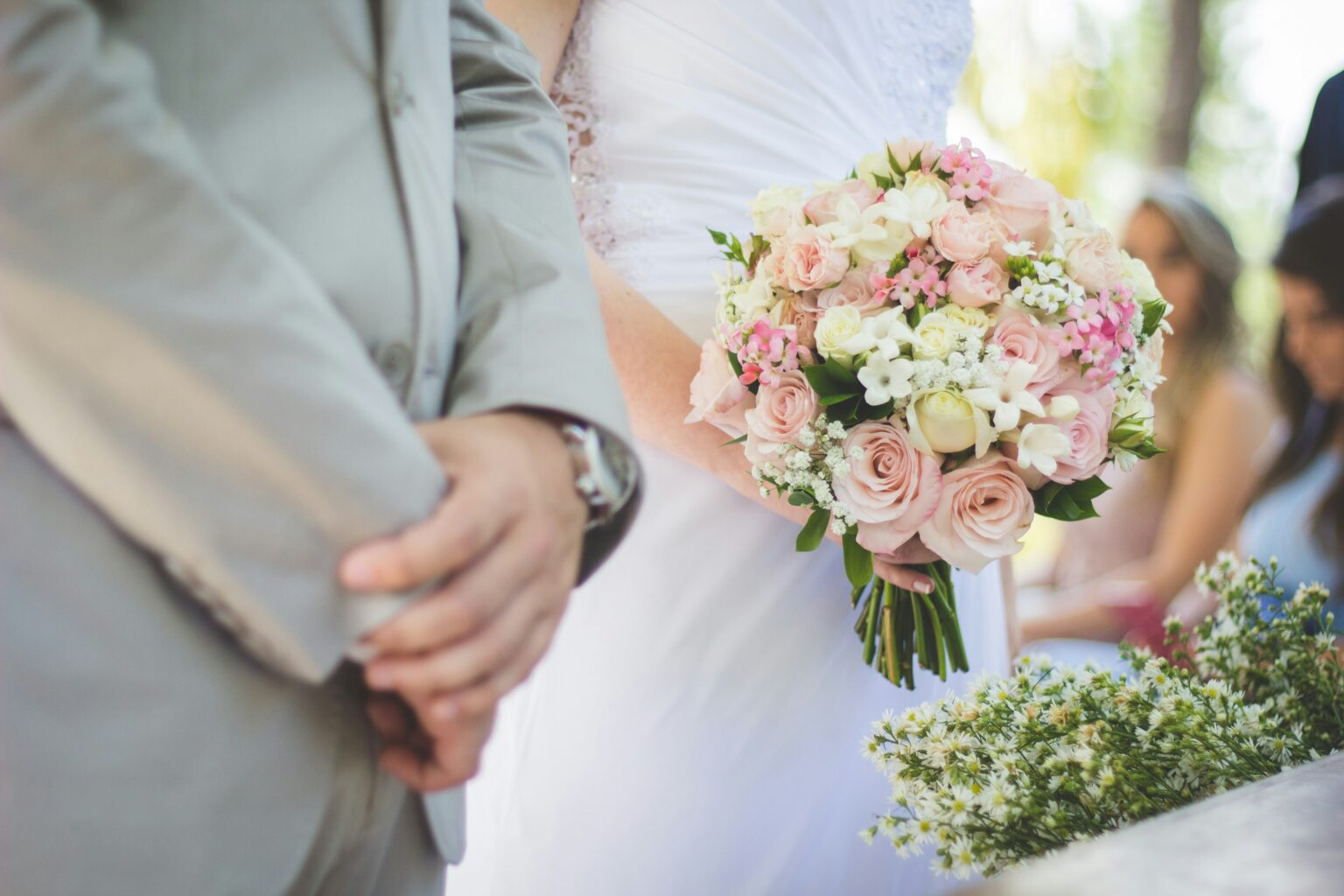
We’ve been conditioned to believe that if you love someone enough, the path to marriage should be paved with no certainty.
We’re told that hesitation is a red flag, a warning sign from the universe that you’re with the wrong person.
For a lot of us in 2026, the anxiety surrounding marriage is an emotional realism. A deep, sober understanding of exactly how much the world, and we have changed as individuals.
When you feel that pit in your stomach while looking at engagement rings, your brain is grappling with the weight of a life-long decision in an era where forever feels fragile.
It’s the sound of a person who values their partner too much to take a vow they don’t fully understand yet.
The Weight of the Final Identity
For generations, marriage was the beginning of adulthood, it was the moment you finally stepped out of your parents’ shadow and started your real life.
Today, we’re building our real lives long before we say “I do.” By the time marriage enters the conversation, we’ve already established our careers, our personal routines, and hard won independence.
The anxiety comes from the fear of identity erasure. You’ve spent a decade learning how to be you on your own terms.
Marriage requires a fundamental shift from “I” to “We,” even a healthy one. That’s a massive life redesign, and it’s only natural to feel protective of the self you worked so hard to create.

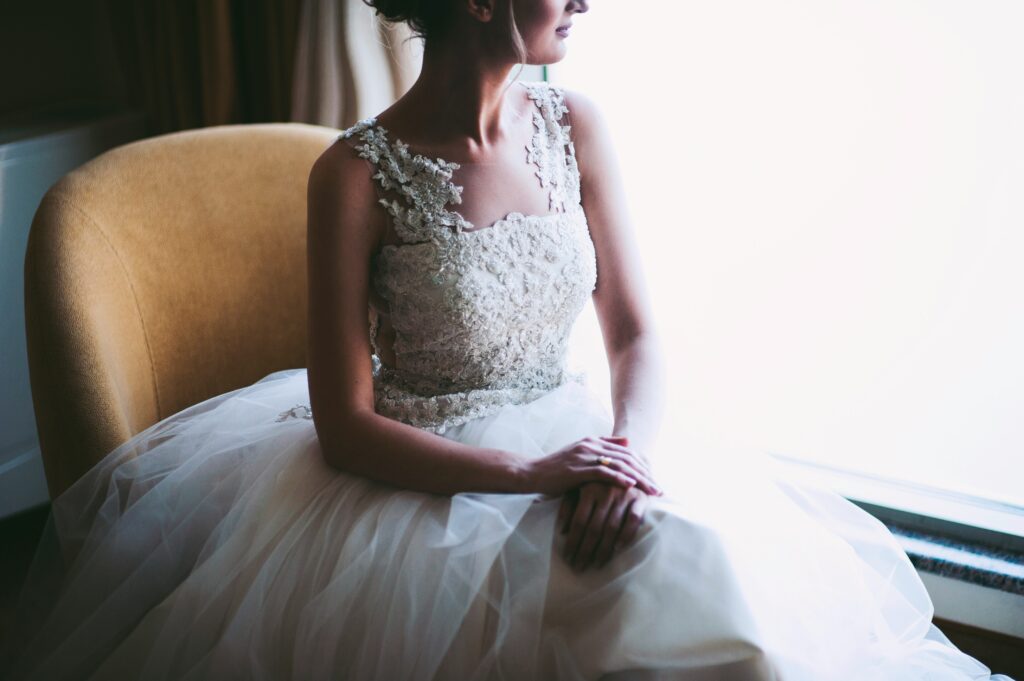
You’re being self-aware, and acknowledging that while partnership adds to your life, it also inevitably changes the landscape of your autonomy.
Realism vs The Romance Myth
We’re the first generation to grow up with a behind the scenes pass to the reality of long-term commitment.
Thanks to the internet, the highlight reels of wedding photos are constantly balanced by viral threads about emotional labor, the complexities of co-parenting, and the struggles of keeping a spark alive after seven years.
This transparency has killed the Fairy Tale myth, and in its place, it’s left us with emotional realism.
We know that marriage is a legal, financial, and emotional merger, also understand that people evolve, and they grow in different directions. That awareness makes us prepared.
When you feel anxious, you’re respecting the complexity of the contract, looking at the stakes with clear eyes, and that clarity is a form of respect for the institution itself.
The Fear of the Unknown Future
The most daunting part of marriage is a promise made by two people today about who they’ll be thirty years from now, it’s a gamble on your future selves.
In a world that’s changing faster than ever the idea of permanence can feel like a heavy anchor in a shifting sea.

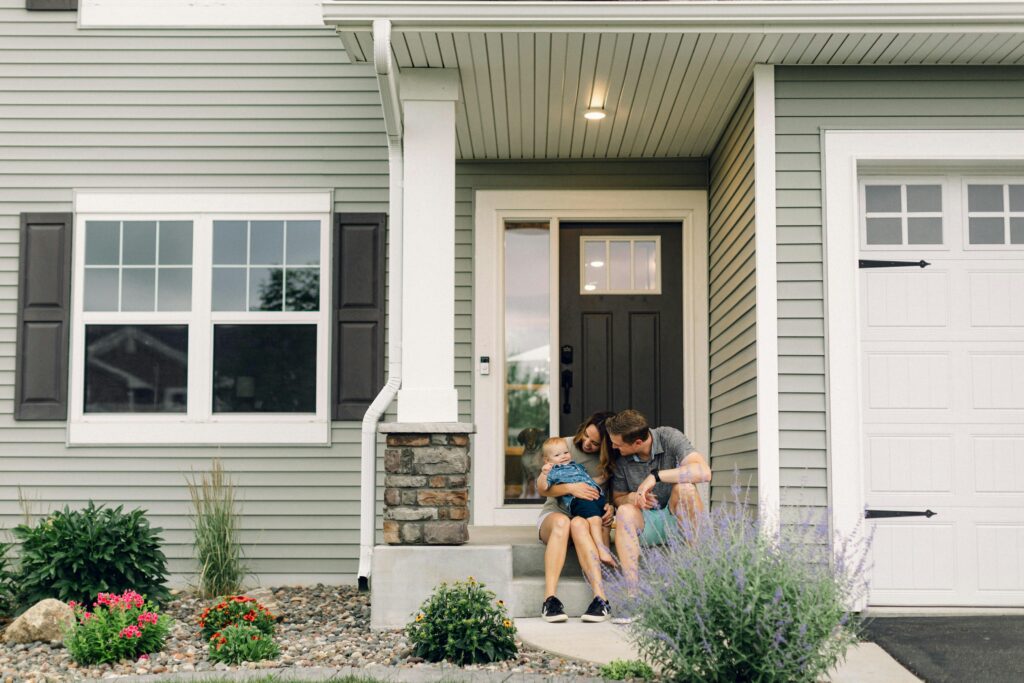
Loving someone in the present is easy, committing to love the version of them that the one who might face illness, job loss, or a total shift in personality requires a level of vulnerability that is frankly terrifying.
That anxiety is a sign you understand the gravity of the promise. It’s the realization that while love is a feeling, marriage is a choice you have to keep making every single morning, even on the days when you don’t feel like it.
Key Takeaways: Understanding the Anxiety
Understand that feeling nervous about marriage is often a sign that you’re taking the commitment seriously.
The fear of losing your independence is a natural reaction to a major life transition. It’s okay to mourn the “Single You” while embracing the “Married You.”
Having more information about the struggles of marriage makes us more cautious, which can lead to healthier, more realistic expectations in the long run.
Finally, love is an emotion that exists in the now, marriage is a strategic commitment to an unknown future. It’s normal for the brain to feel overwhelmed by that gap.

Reflection
If you’re standing at the edge of forever and feeling more panic than peace, you don’t have to ignore the fear to be ready for the commitment.
In fact, the most successful marriages in 2026 might just be the ones where both people walked down the aisle saying: “I’m terrified of what’s coming, I trust you enough to figure it out with me.”
The goal is to be honest, when we stop labeling our anxiety as cold feet and start seeing it as emotional realism, we can finally have the conversations that actually matter.
And we can move away from the performance of a perfect engagement and toward the reality of a resilient partnership.
If you’re currently in the “Marriage Anxiety” loop, try this simple vibe check tonight:
Sit with your partner and ask each other: “What’s the one part of your single identity you’re most scared of losing?”
The moment you both admit you’re a little terrified is the moment the fear stops being a wall and starts being a bridge.