

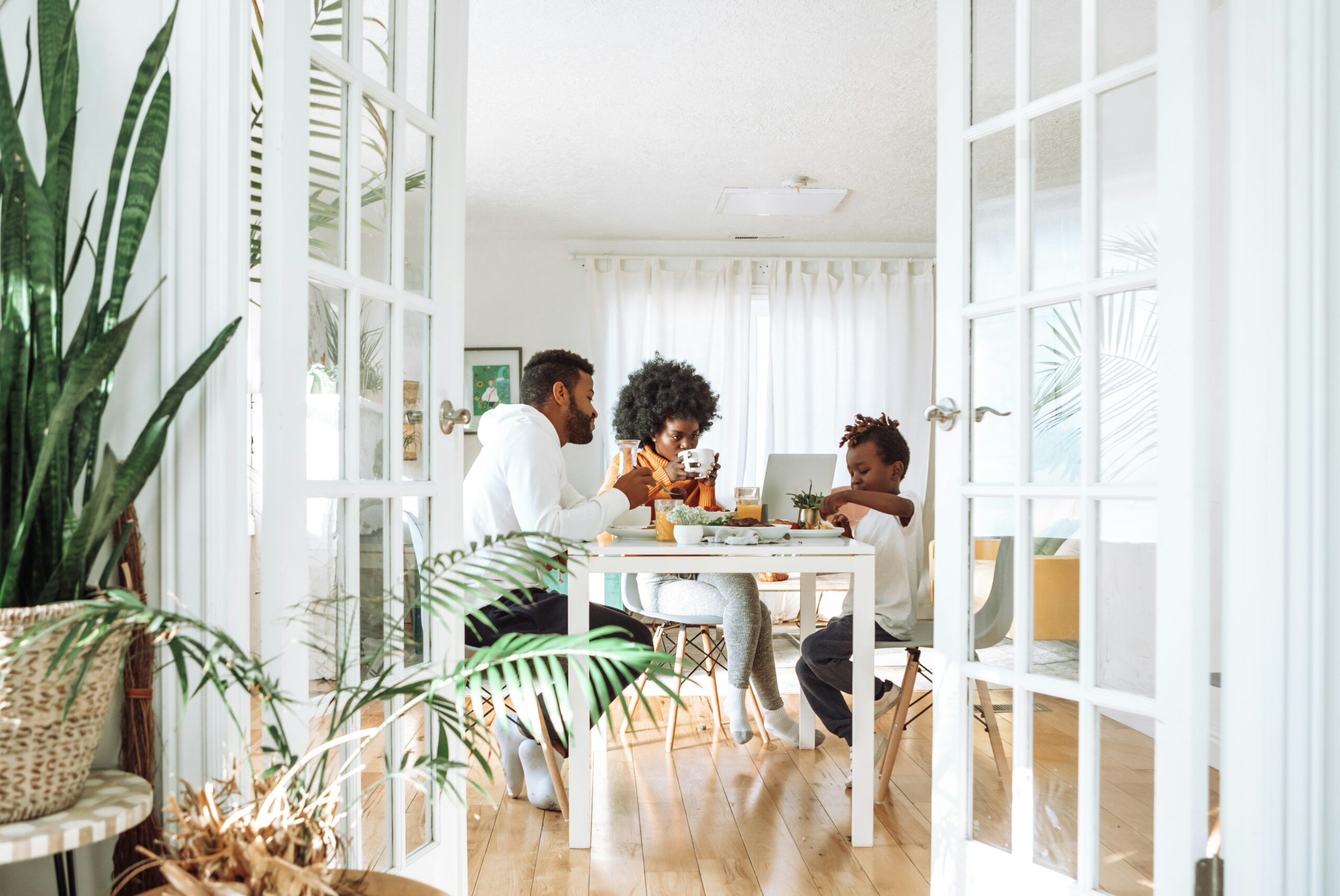
We all grew up with a very specific, polished version of marriage on our screens.
You know the one, two people who are perpetually “on,” finishing each other’s sentences over perfect Sunday morning coffee, and resolving every conflict with a witty, three-minute conversation before the credits roll.
The truth is that mental health lives right there in the house with you. It’s the hidden variable in how you talk, touch, and navigate the world together.
In 2026, we’re finally starting to admit that struggling isn’t the same thing as failing.
When Anxiety Becomes the “Uninvited Third Guest”
In a lot of modern marriages, anxiety looks like overthinking a neutral text message until it feels like a personal insult, or replaying a minor disagreement at 2 a.m.
You’re fighting about the meaning your anxious brain has attached to those things.
One partner forgets a chore, and the other partner’s anxiety immediately fills in the blanks with a worst-case scenario: “They don’t respect me” or “I’m clearly not a priority.”
When couples finally start to name this pattern, when they can say: “Hey, my anxiety is telling me a story right now that you don’t care about me.”
That’s when the air starts to clear, it’s making sure it doesn’t get a vote in how you treat each other.

The Way Depression Can Feel Like Emotional Distance
Depression is one of the most misunderstood “guests” in a marriage because it so often looks like boredom or rejection. It’s the partner who’s sitting right next to you on the couch but feels a thousand miles away.
If you’re the spouse on the outside looking in, it’s easy to misread that lack of energy as a sign that they’ve checked out of the relationship.
Once you realize that emotional withdrawal is often exhaustion from fighting an internal battle, the narrative changes.
Why Your “Emotional Weather” Filters Every Conversation
We like to think we’re logical communicators, our mental state colors every single word that leaves our mouths.
Think of it like emotional weather, on a “sunny” day when you’re feeling resilient, you can hear a piece of feedback from your partner and take it as helpful information.
However, on a “stormy” day, when you’re burnt out, stressed, or feeling low, that exact same sentence lands like a stinging criticism.

Successful couples in 2026 are the ones who’ve learned that timing is everything. They know that a serious conversation is at 11 p.m.
When everyone is drained it is going to end in a disaster, so they wait for the “weather” to clear before they try to solve the big stuff.
Therapy Is Finally Becoming Just “Basic Maintenance”
One of the best things about the current cultural shift is seeking support.
Whether it’s individual therapy, couples counseling, or being brutally honest about burnout, younger couples are treating mental health like gym memberships for the soul.
Why wait for your marriage to hit a breaking point before you talk to a professional?
Normalizing this reduces the shame that used to keep people silent. It makes it okay to say, “I’m not okay today” without worrying that the admission is going to destabilize your entire future.
It’s about building a relationship that’s flexible enough to hold the weight of two real, complicated people.

The Part We Don’t Always Talk About: Intimacy
We have to be honest about how mental health affects the bedroom, because it’s one of the first places where the “stress” shows up.
Anxiety can make physical touch feel overstimulating or overwhelming, and depression can lower your desire until it feels non-existent.
Without context, it’s so easy for a partner to internalize that shift and think: “They aren’t attracted to me anymore.”
More often than not, it has nothing to do with attraction and everything to do with bandwidth.
Key Takeaway
If there’s one thing to take away from this, it’s that the strongest marriages aren’t the ones where everyone is happy 100% of the time.
Success in a long-term relationship is the presence of understanding.
It’s knowing that your partner’s difficult season isn’t a personal attack on you, trusting that when you’re the one struggling, your vulnerability won’t be used as a weapon against you later.
You’re essentially building a “brave space” where two people can grow, stumble, and heal together.
Dive Deeper: How Mental Health Quietly Shapes the Very Soul of a Marriage
If this hits home for you, send it to your partner or that friend who’s currently going through it.
Sometimes, having the right words to describe what you’re feeling is the first step toward feeling better.
