








Sensing an unseen companion in the middle of a life or death situation is one of the most comforting mysteries of human psychology. For centuries, explorers, sailors, and trauma survivors have shared quiet whispers about a helpful figure appearing out of nowhere when hope seemed entirely lost. This experience, scientifically recognized as the third man syndrome, bridges the delicate gap between pure survival instinct and the deep neurological mysteries of the human brain. It’s a testament to how far our minds will go to protect us from the crushing weight of total despair.
When we look closely at these harrowing survival stories, it becomes clear that this phenomenon is a brilliantly adaptive one. The brain is essentially executing a sophisticated emergency protocol to keep the body moving forward when giving up means certain death. By externalizing our own inner strength as a separate entity, we can process instructions and comfort that we might be too overwhelmed to accept from our own internal monologue.
Neurological Blueprint of a Phantom Companion
Scientists who study extreme environments have spent years trying to map out exactly why the third man syndrome happens when our bodies are pushed to the brink.


Most researchers point directly to the temporoparietal junction, which is the specific part of your brain responsible for processing your sense of self and where your body exists in space. When this delicate area is deprived of oxygen, starved of nutrients, or subjected to intense emotional trauma, its internal map can easily get a little scrambled. As a result, your brain accidentally projects your own physical presence a few feet away from you, creating the vivid sensation of a completely separate person standing nearby.
This temporary neurological glitch acts as a beautiful, accidental shield against the devastating psychological effects of extreme isolation. When you analyze historical survival stories from polar expeditions or shipwrecks, the presence of an invisible helper is often what keeps the central nervous system from collapsing under the weight of panic.
By generating this helpful phantom, your subconscious mind essentially manufactures the ultimate companion to lower your heart rate and keep your panic from spiraling completely out of control. It’s a brilliant coping mechanism that showcases the sheer, unyielding power of our evolutionary drive to stay alive.
Turning Survival Strategies into Daily Resilience
While most of us will probably never find ourselves stranded on a freezing Himalayan peak or lost in a vast ocean, we all experience our own versions of extreme emotional isolation. The exact same psychological machinery behind the third man syndrome can actually teach us a lot about navigating modern stress, grief, and burnout. The lessons extracted from classic survival stories show that human resilience is about fragmenting our focus so that we can take one tiny step at a time.

When the challenges of daily life feel completely overwhelming, learning to access that hidden, protective layer of your psyche can be an absolute game changer for your mental well-being:
- Cultivate an internal compassionate voice. You can learn to intentionally speak to yourself with the same gentle authority that survival phantoms use, helping to soothe your nervous system during high-stress moments.
- Practice constructive dissociation. When a situation feels too painful to handle head-on, stepping back mentally and looking at your circumstances through the eyes of an objective, supportive observer can give you instant clarity.
- Acknowledge your hidden reservoirs of strength. Remembering that your brain is inherently wired to protect you can give you a deep sense of comfort when you feel like you’ve completely reached your personal limit.
Moving Forward Through the Darkest Hours
Understanding the mechanics of the third man syndrome ultimately changes how we view human vulnerability and our capacity for recovery. It reminds us that even when we feel entirely abandoned and stripped of our resources, our minds are quietly working behind the scenes to keep us safe. We’re equipped with an ancient, deeply embedded survival toolkit that activates automatically when the external world becomes too heavy to bear.
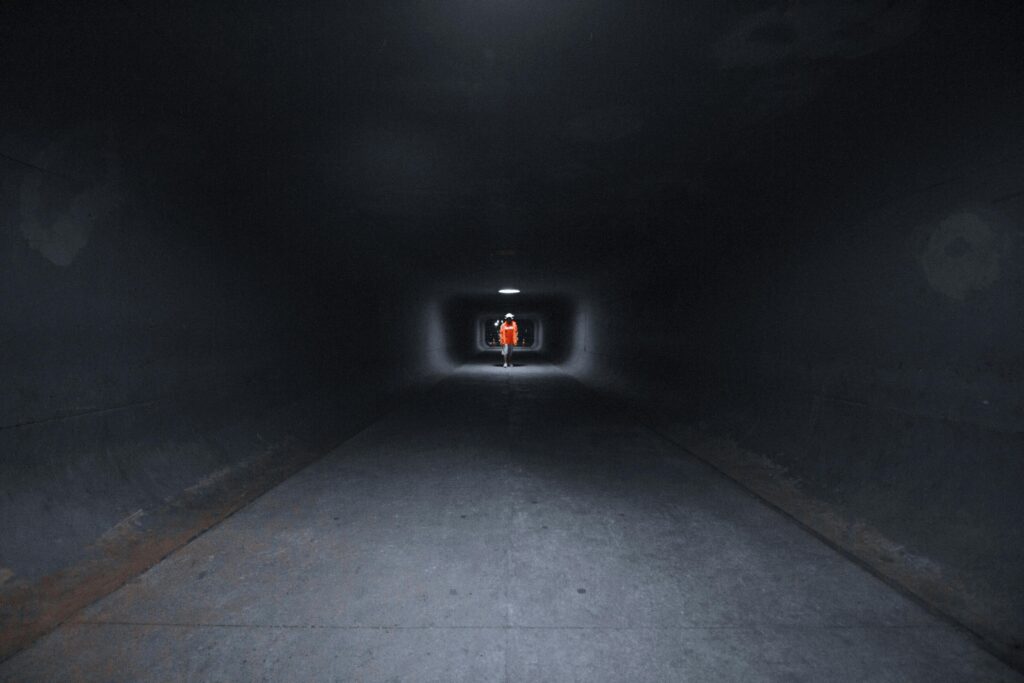
Next time you find yourself navigating a difficult emotional season where you feel completely misunderstood and alone, take a deep breath and trust your inner architecture. You don’t need a literal mountain crisis to tap into the profound resilience that defines our species. The gentle, guiding presence that explorers feel on the edge of the world is a beautiful reflection of the strength that already lives inside your own heart, waiting to light the way forward whenever you need it most.
Conclusion
The third man syndrome is far more than just an eerie campfire story or a weird quirk of extreme athletics. It serves as a profound psychological mirror, showing us that our brains are beautifully, stubbornly wired to choose life and hope even in the face of total oblivion. By recognizing that this protective guardian is actually just a hidden extension of our own inner strength, we can face our daily battles with a little more confidence, knowing we’re never truly walking alone.
Have you ever felt a sudden, unexplainable wave of comfort or a guiding presence during a heavy emotional season? Drop a comment below to share your experiences with us, or subscribe to our newsletter for your weekly dose of psychological insights, deep reflections, and soulful reminders delivered straight to your inbox.


