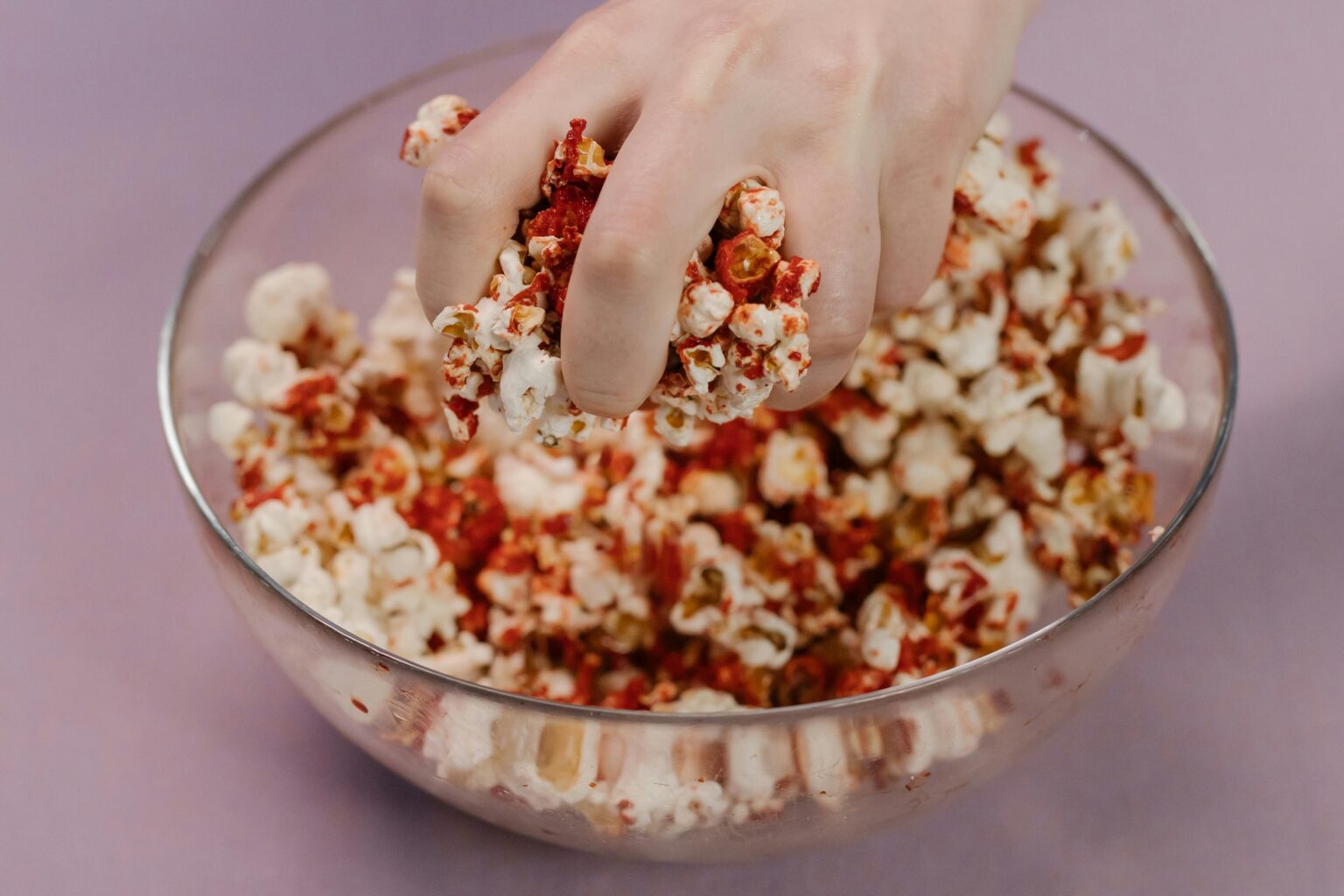
Human evolution has spent thousands of years teaching us to be wary of things that smell or taste off, yet here we’re in 2026, obsessed with weird food combinations.
Our ancestors used their tongues as a biological radar to detect toxins or rot, the modern brain seems to have developed a quirky sense of humor when it comes to the dinner table. We find ourselves drawn to the strange contrast of flavors that shouldn’t work together, creating a psychological tug-of-war between our survival instincts and our craving for novelty.
Understanding why we’re so captivated by weird food combos requires a look into the complex chemistry of the mouth and the reward centers of the mind.
The Battle Against Sensory Boredom
At the heart of every successful flavor pairing is the concept of sensory-specific satiety, which is a fancy way of saying our brains get bored of the same taste very quickly. If you’re eating something that’s purely sweet, your taste buds eventually dull to the sensation, making the tenth bite much less exciting than the first.
By introducing weird food combinations like salty bacon on a glazed donut, you’re essentially resetting your palate with every mouthful. The saltiness cuts through the sugar, preventing your brain from getting tired of the sweetness and keeping the reward signals firing at full speed.

Molecular Flavor Bridging
Neuroscience tells us that our brains are hardwired to seek out flavor bridges, which are shared chemical compounds between seemingly unrelated ingredients. Even the most bizarre-sounding weird food combinations often have a hidden molecular link that makes them scientifically compatible.
Take white chocolate and caviar, for example; both share high levels of trimethylamine, a compound that the brain recognizes as a match despite the wild difference in texture and origin. When we stumble upon these matches, our brain rewards us with a hit of dopamine, making the weird experience feel surprisingly satisfying and even addictive.
The Fat and Acid Balance
The role of fat and acid in these weird food combinations can’t be overstated when it’s about achieving culinary balance.
A heavy, fatty food like peanut butter feels thick and coating on the tongue, which can become overwhelming without a counter-agent. The sharp, vinegary acidity of a pickle provides the perfect contrast, cutting through that fat and refreshing the mouth for the next bite. These viral trends push the concept to a more extreme and socially shareable limit.

Dynamic Contrast and Texture
Texture also plays a massive part in why we’re so obsessed with weird food combos that involve a mix of soft and crunchy elements. When you dip a crisp, hot French fry into a cold, smooth milkshake, you’re hitting multiple sensory triggers at once. The brain loves dynamic contrast, which is the sensation of different temperatures and textures interacting in the mouth simultaneously. This complexity makes the eating experience feel more engaging and fun, which is why we’re willing to overlook how strange the pairing looks on a plate.
Psychology of the Forbidden
Psychologically, there’s also the forbidden fruit effect that comes with trying weird food combinations that society tells us are wrong. There’s a certain rebellious joy in breaking the established rules of gastronomy and finding something delicious in the rubble.
This omnivore’s dilemma is that the balance between needing variety and fearing the unknown is a fundamental part of the human experience. We’re naturally curious creatures, and social media has provided a global stage where that curiosity can be rewarded with likes and shares, turning a weird snack into a cultural moment.
The Global Palate and Gut Health
Culture and nostalgia often dictate which weird food combinations we find acceptable and which we find revolting. What might seem like a bizarre pairing in one part of the world is a cherished childhood staple in another, proving that taste is largely a learned behavior.
As the world becomes more connected, we’re seeing a massive cross-pollination of these weird habits, as people everywhere experiment with flavors that were previously isolated to specific regions. It’s a democratization of the kitchen where the only rule is that there are no rules, as long as it tastes interesting.
Scientists are now looking into how our gut microbiome might even influence our cravings for these weird food combos. The billions of bacteria living in our digestive systems have their own preferences and can send signals to the brain to seek out specific nutrients or chemical profiles. It’s entirely possible that your sudden urge for a cheese and jam sandwich is actually your gut asking for a specific balance of proteins and fermented sugars. There’s a whole internal orchestra playing a role in every bite we take.
Key Takeaway
The science behind weird food combinations proves that our palates are much more sophisticated, and much weirder than we give them credit for. From molecular bridges to dynamic contrasts, there’s a logical explanation for every viral food trend that makes us scratch our heads. After all, the line between a culinary disaster and a masterpiece is a matter of perspective and a little bit of scientific curiosity.
Do you have a secret weird food combo that everyone thinks is gross but you absolutely swear by? Drop your favorite pairings in the comments below so we might just feature your creation in our next deep dive!