







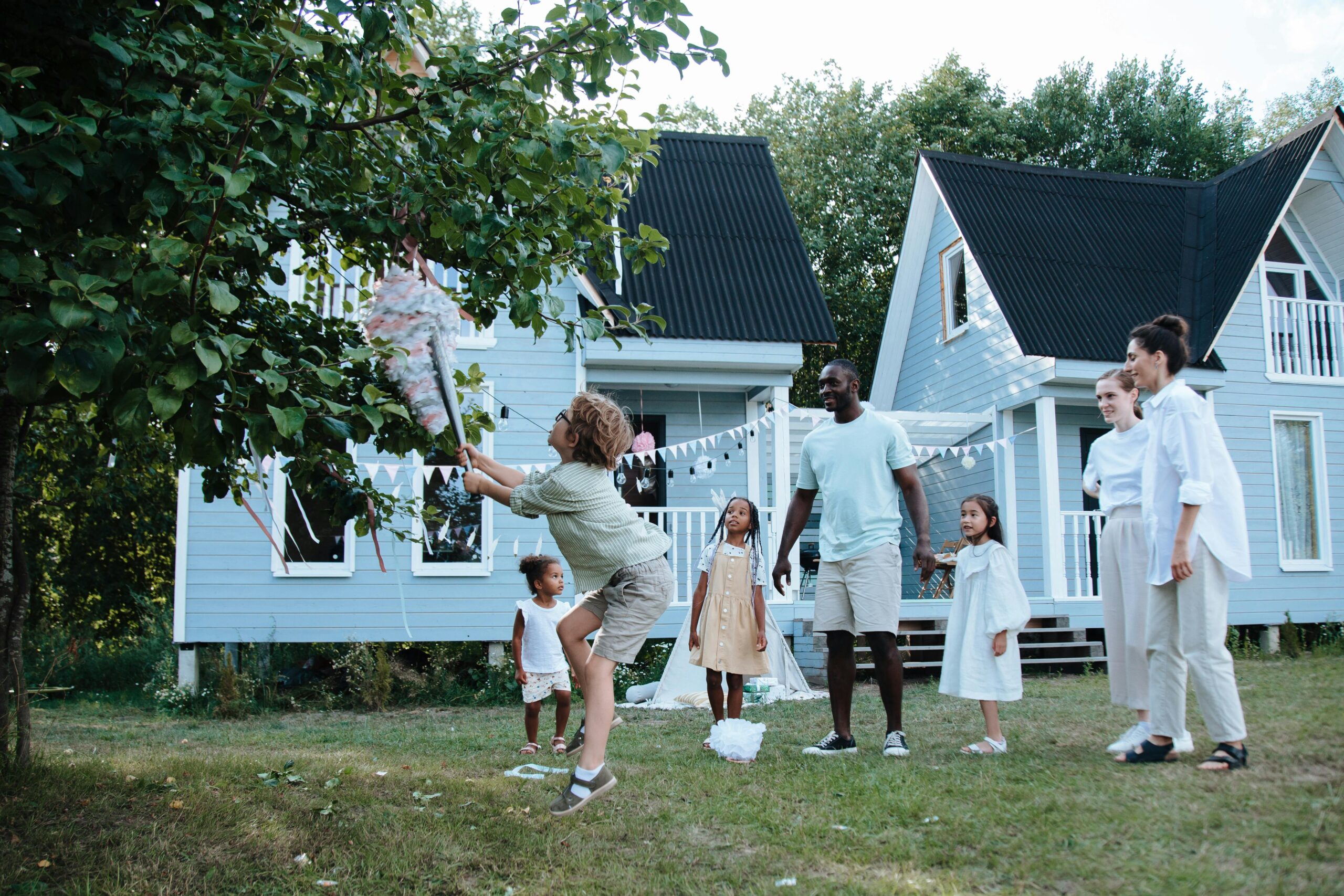
Assuming that you can be a fully functional, independent adult with a career and a mortgage, however, the moment you walk through your childhood front door for a family gathering, you suddenly feel like you’re 12 years old again.
It’s like we’re all actors in a long-running play where the scripts were written decades ago, and we’re stuck performing the same old roles of the rebellious one, the favorite, or the quiet one. These deeply ingrained patterns are why family holidays can feel so exhausting, as we’re constantly fighting against the gravitational pull of our old selves while trying to stay present in our adult lives.
Stepping Out of Your Childhood Box
The reason why looking for the best family games is so effective is how play fundamentally disrupts these stale family hierarchies. When you’re engaged in a game, the traditional power structures of parent and child or successful sibling and struggling sibling are temporarily suspended.
In the world of the game, everyone is on a level playing field, and the only thing that matters is the shared objective at hand. This shift allows us to interact with our relatives in a way that is fresh and unburdened by the weight of past grievances or expectations, providing a rare window into seeing them as actual people.

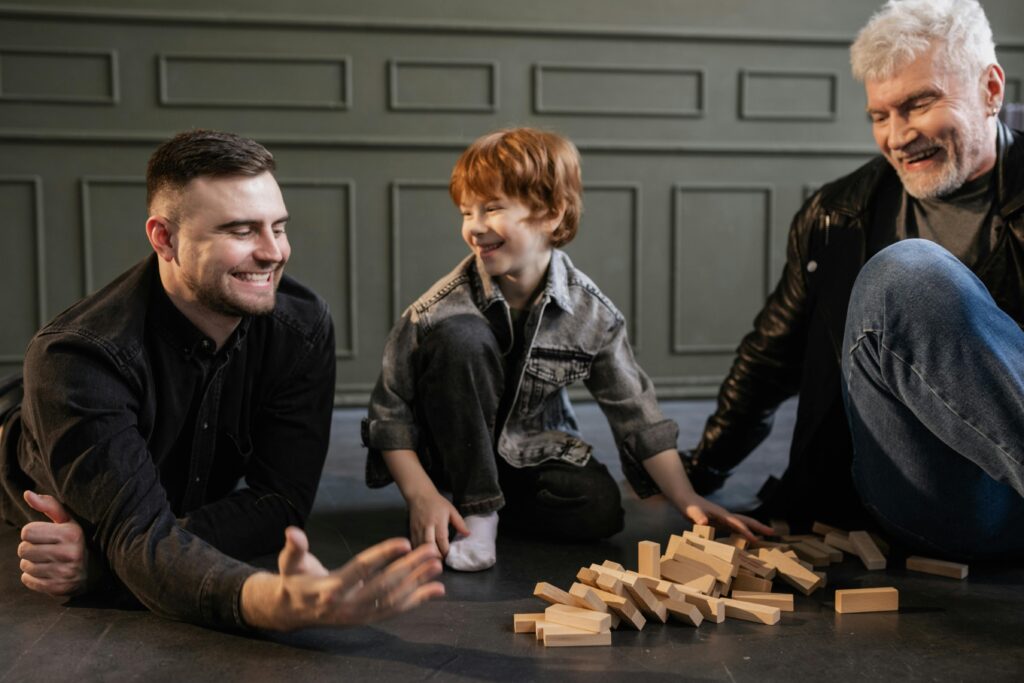
Psychologically speaking, play invites our inner child to come out and socialize in a healthy, regulated way. Instead of that inner child feeling defensive or unheard which often leads to the typical dinner table arguments, they’re given a channel for curiosity, creativity, and joy.
This state of meaningful play lowers the amygdala’s guard and reduces the fight or flight response that so many of us feel when a sensitive family topic is brought up. It’s much harder to hold onto a twenty-year-old resentment when you’re both on the same team trying to figure out a complex puzzle or laughing at a ridiculous shared failure.
Magic of Side By Side Connection
Sometimes, the biggest hurdle at a family gathering is the sheer intensity of being face to face. When you’re sitting directly across from each other at the dinner table, every gaze feels like a spotlight on what you’re eating, what you’re wearing, or why you’re still single, which instinctively makes us build a defensive wall.
Engaging in a game completely flips this dynamic by creating what psychologists call a side by side connection. Instead of being the subject of an interrogation, you and your parents become teammates solving a puzzle or lighthearted rivals in a card game.
Think about that moment when you and your usually overcritical mother are both struggling to act out a ridiculous prompt in Charades. In that split second, she is a teammate doubled over in laughter at how bad you both are at the game. By focusing on an external goal, the internal friction between you starts to dissolve, creating a safe zone where understanding grows without the need for heavy lectures or awkward “talks.” These little pockets of shared activity are where the tightest emotional knots finally loosen because you’ve allowed yourselves to do something wonderfully pointless together.

The Power of Structured Intimacy
One of the hardest parts of any family gathering is the lack of structure in conversation, which often leads people to default to intrusive questions or unsolicited advice as a way to fill the silence. Structured games provide a necessary 3rd point for the family to focus on, taking the intense, direct heat off of individual lives and placing it on a neutral activity. This allows for a kind of side by side intimacy that’s more comfortable for families than face to face intensity of a serious heart to heart.
This approach is especially beneficial for adult children who are trying to establish new, healthier boundaries with their parents. By being the one to initiate a game, you’re stepping into a leadership role that demonstrates your autonomy while still showing a desire to connect. You’re choosing the terms of the engagement, it’s a powerful way to show that you value the relationship enough to create an environment where everyone can actually succeed and feel good.
Reclaiming the Joy of Connection
Ultimately, the goal of bringing play back to the dinner table is to reclaim the sense of wonder and connection that originally made these bonds so vital. We usually forget that our parents and elders have inner children of their own that are just as tired of the serious roles as we are.
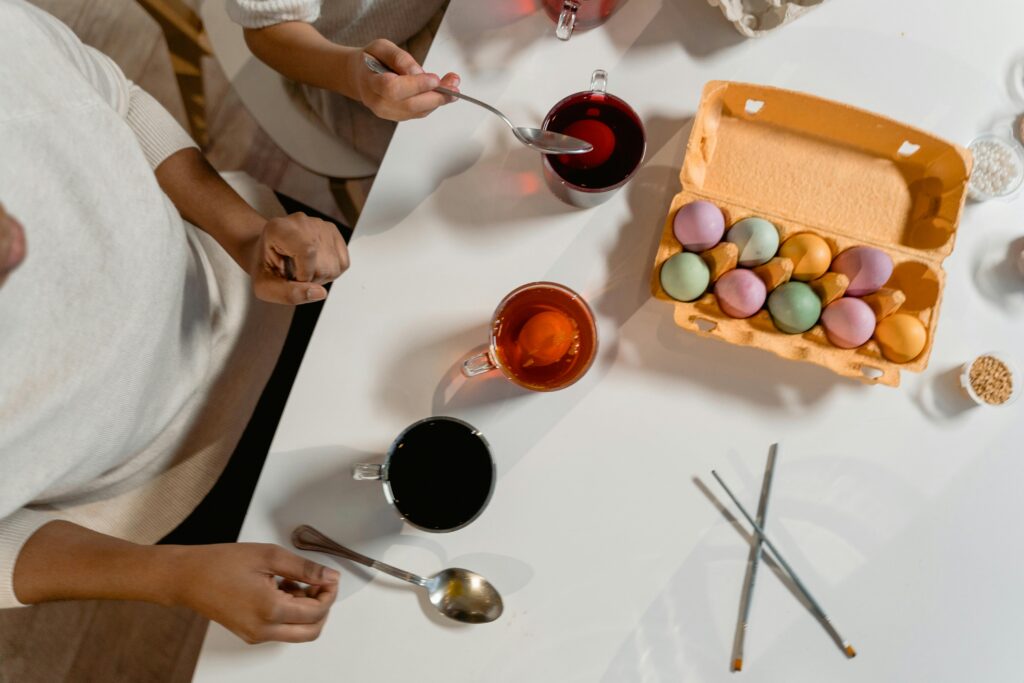
When we give them permission to play, we’re often surprised by the humor, wit, and lightness they’ve been hiding behind their parental masks. It’s these moments of genuine, unscripted connection that actually heal old wounds and build the kind of social support network that can withstand the test of time.
Choosing to play is an investment in a more vibrant, emotionally intelligent way of being a family. It’s about acknowledging that while we can’t change the past, we can certainly change how we spend the next three hours together. So, the next time you feel the tension rising as you prepare for a family gathering, remember that the best gift you can bring might be a simple deck of cards and a willingness to be a little bit silly.
Key Takeaway
Play is the ultimate bridge between the adults we’ve become and the children we used to be. By utilizing games to navigate family tension, we bypass old resentments and create a new language for connection that’s rooted in the present moment. It’s the most effective way to foster genuine intimacy while protecting your emotional well-being.
We’ve all had that one family member who’s impossible to talk to, yet somehow becomes the life of the party the moment a board game comes out. It’s a powerful reminder that there’s always more to people than the roles we’ve assigned them in our heads. What’s the one game that has saved your family from a total meltdown, or is there a specific relative who totally transforms when they start playing?
Tell us your stories in the comments, we’d love to know how you’ve used play to survive and actually enjoy your time together. Sharing your win might give someone else the courage they need to bring a little more fun to their next holiday.


