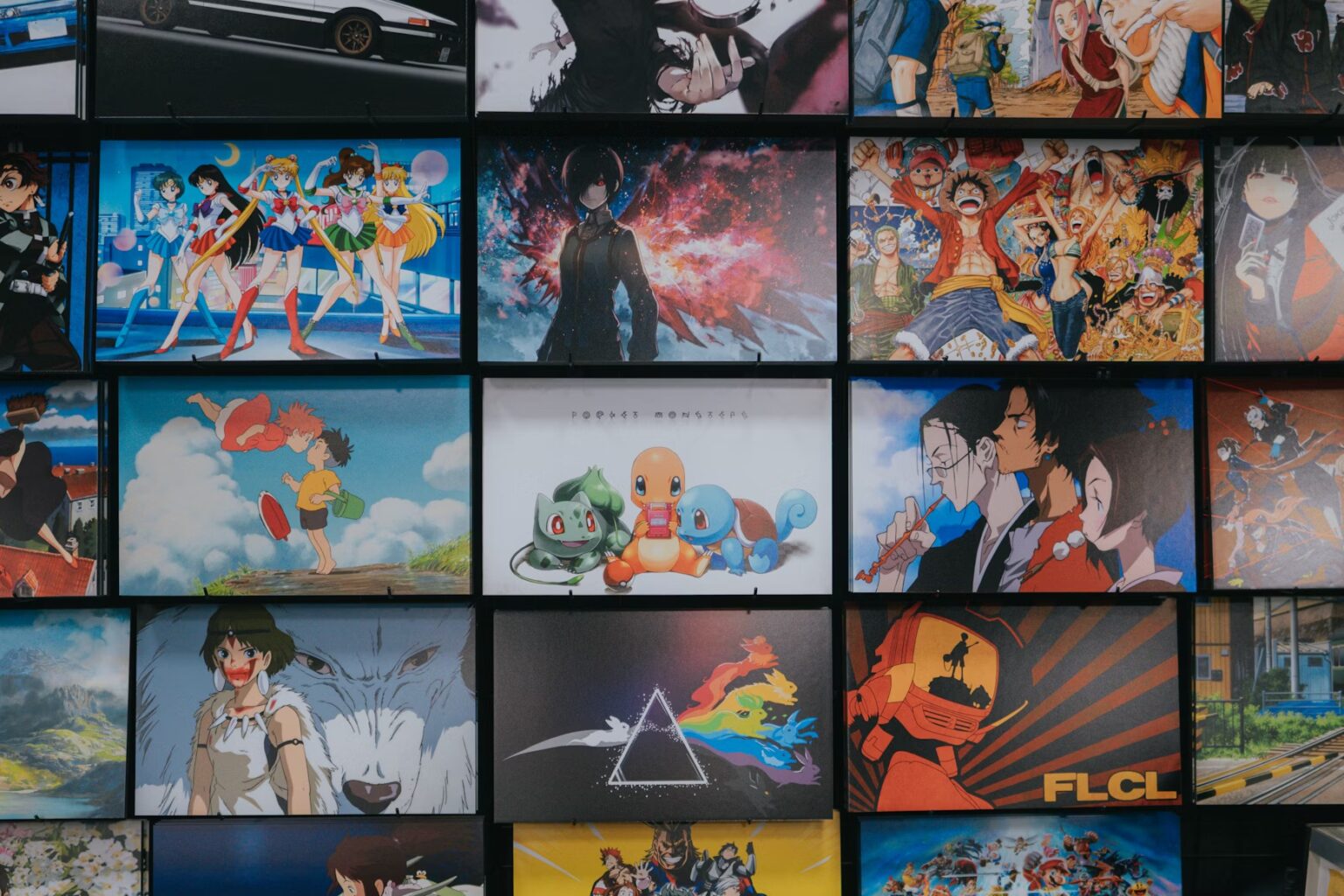
If you walk into any crowded room and shout “Believe it!” or “It’s over 9000!” A significant portion of the room will immediately know exactly what you’re talking about.
This is the fact that the most popular anime of all time have created a social glue that transcends borders, languages, and generations. We’ve reached a point where the dialogue from these classics has become a shared emotional vocabulary, allowing us to communicate complex feelings through the lens of the characters we grew up with.
The Foundation of Shared Values
The massive success of series like Dragon Ball Z, Sailor Moon, and Naruto became iconic because they distilled universal human struggles into vibrant, unforgettable stories. When we talk about “going Super Saiyan,” we’re talking about that specific moment when our frustration finally turns into a breakthrough of strength. These classics provided us with a shorthand for perseverance that feels much more visceral than a standard motivational quote.
Creating a Cultural Shorthand

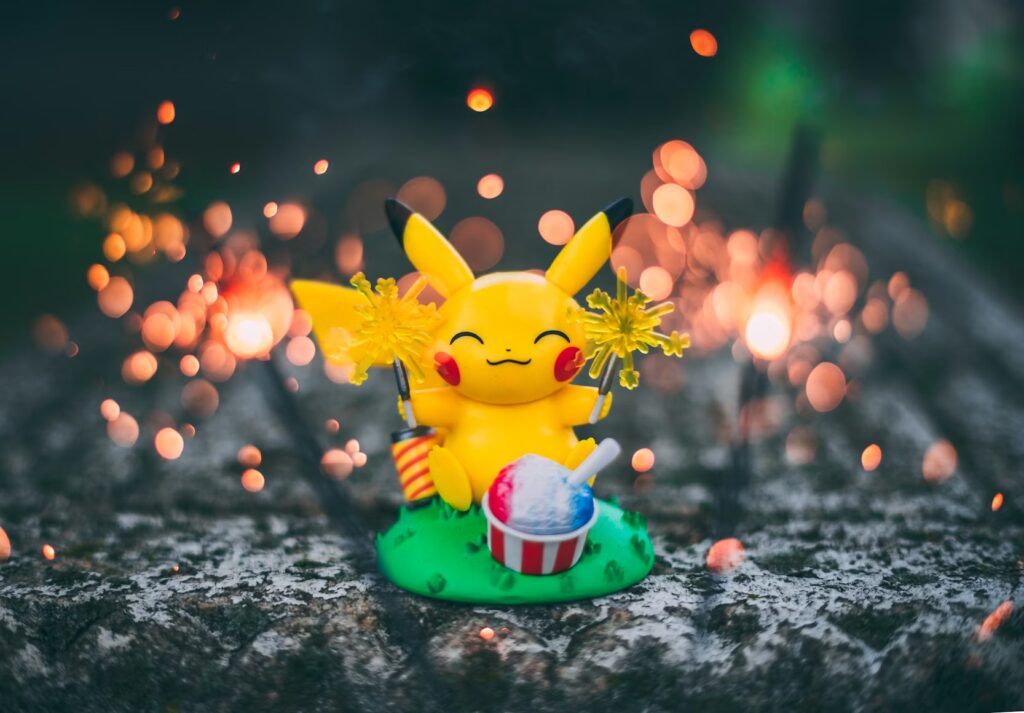
Because so many of us watched the same shows during our formative years, anime has become a universal translator for our generation. You don’t have to explain what it feels like to be an underdog when you can just reference Naruto’s early days at the academy. You don’t have to describe the weight of responsibility when you can mention the burden of a Pokéball.
This cultural shorthand allows for an immediate, deep connection between strangers, as we realize we were raised by the same philosophical themes of loyalty, sacrifice, and growth.
The Social Glue of Nostalgia
Nostalgia is more than just looking back at the good old days; it’s an active force that bonds people together. When we revisit Pokemon quotes or clips from One Piece, we’re tapping into a collective memory of a time when we were all learning how the world worked. This shared history acts as a foundation for community, especially in digital spaces where we’re constantly looking for common ground. It’s the “hey, you too?” factor that turns a comment section into a support group.
Shaping Our Emotional Resilience
The characters in these classics actually suffered, they doubted themselves, and they often failed. By watching these arcs unfold, we were unintentionally building our own emotional resilience toolkit. We learned that it’s okay to be a crybaby like Usagi as long as you still show up for your friends. We learned that your origins don’t define you, a lesson echoed in almost all Pokemon quotes regarding legendary versus common species. These shows gave us permission to be messy and human while still striving for something greater.
The Resonance of the Found Family Trope

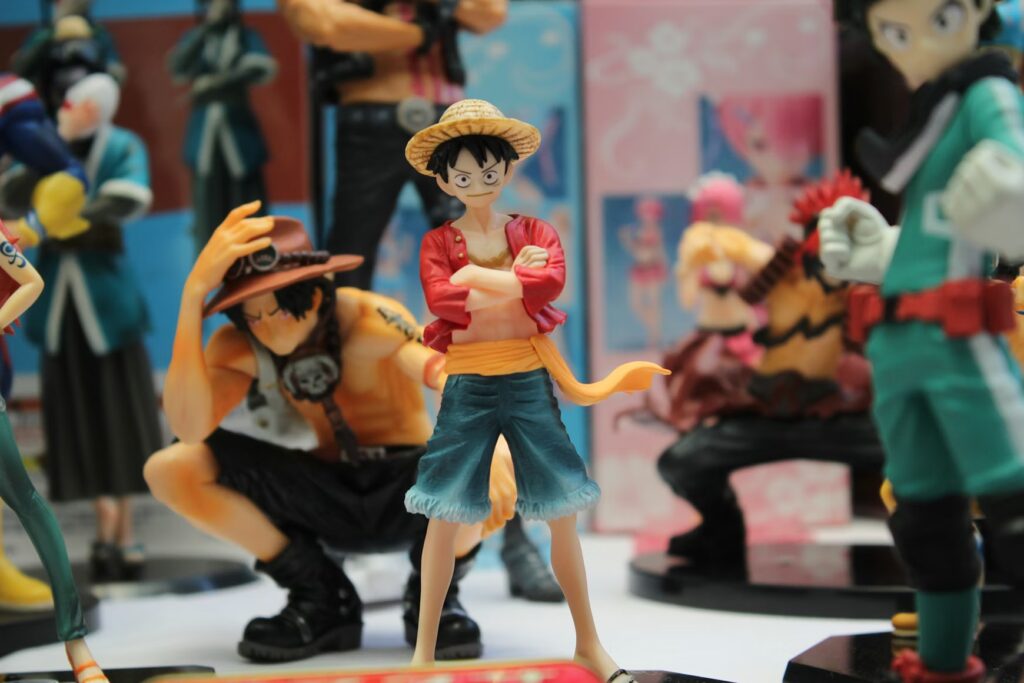
Beyond individual growth, the most popular anime of all time usually center on the concept of building a home with people who aren’t blood-related. Whether it’s a pirate crew or a team of ninjas, this theme strikes a chord because it mirrors our modern search for belonging. It’s a radical reimagining of community, teaching us that loyalty is earned through shared struggle and mutual respect rather than obligation.
This narrative gives us a roadmap for creating our own support systems in an increasingly lonely world.
The Evolution of the Mainstream
What’s fascinating is how these old classics continue to influence the new wave of storytelling. Today’s creators grew up on the most popular anime of all time, and they’re baking those same values into modern hits. The shared language is constantly evolving, however the core remains the same: a deep, unwavering focus on the power of the human spirit.
We’re seeing a continuity of connection where a 30 year old and a 15 year old can discuss the concept of plus ultra and understand exactly what the other means.
Anime as a Mirror for Social Change
Beyond personal growth, the classics often tackled heavy social issues like environmentalism, war, and class struggle. Because these themes were wrapped in cartoons, they were able to bypass our adult cynicism and plant seeds of social consciousness. We grew up with a shared language of justice that makes us more likely to question the status quo in our actual lives. The radical honesty of these shows moved into our politics, our activism, and our worldviews.
Key Takeaway
The classics are called classics for a reason, they gave us the words when we didn’t have any. By participating in the world of the most popular anime of all time, we’ve all become part of a massive, global conversation. We’re speakers of a language that prioritizes empathy, grit, and the belief that we can always be better than we were yesterday. That’s the real legacy of these shows: they helped us build the world we’re currently living in.
Reflection
We all have that one classic anime that feels like a foundational part of who we are. For some, it’s the wisdom of a Pokéball master, and for others, it’s the loud, defiant spirit of a Saiyan warrior. Which show provided the vocabulary for your own life? Is there a specific character whose journey mirrored your own so closely that you still think of them during your toughest moments?
We’d love to hear about the classic that shaped your world. Sharing these stories reminds us that while we’re all on our own paths, we’re often reading from the same map. What’s your social glue anime?