Humanity’s relationship with the dinner plate is a complex dance between necessity and tradition, yet we’re often quick to judge what we don’t understand. We’ve spent centuries labeling the unfamiliar as nasty food simply because it doesn’t fit within the narrow confines of our own cultural comfort zones. What one person sees as a revolting ingredient is often a masterpiece of preservation or a celebrated symbol of heritage for another.
Understanding why we label certain things as disgusting food requires us to peel back the layers of bias and look at the ingenious ways humans have learned to thrive.
The Subjectivity of the “Ick” Factor
Disgust is one of our most primal emotions, originally designed to keep us from eating things that might actually kill us in the wild. However, this survival mechanism often gets confused with simple cultural unfamiliarity, leading us to dismiss perfectly safe delicacies as gross food.
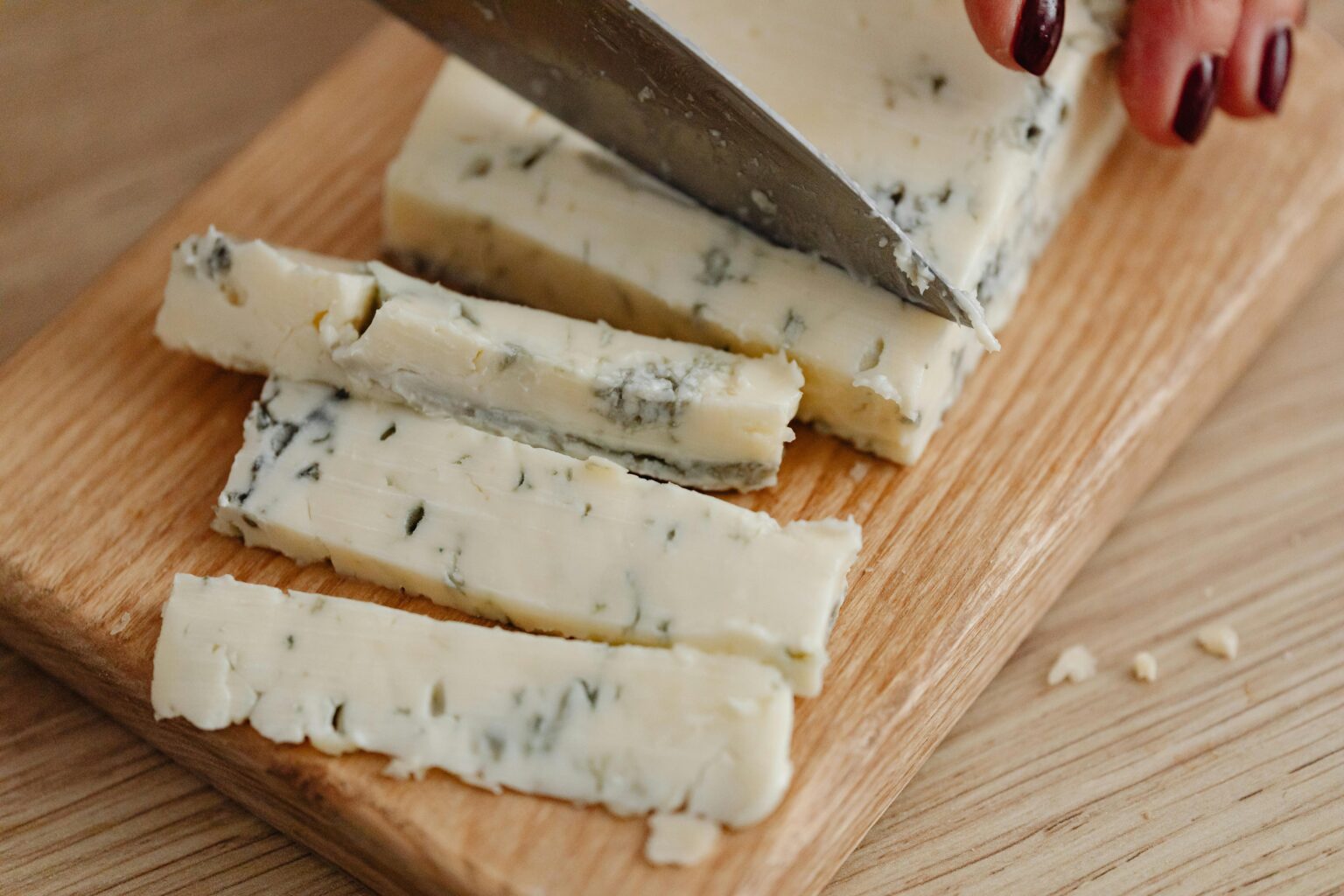
A Westerner might recoil at the sight of a fermented egg, yet think nothing of eating a piece of moldy blue cheese that’s been aged for months. It’s a fascinating double standard that proves our definition of clean or edible is almost entirely dictated by our upbringing rather than objective science.


The Neurobiology of Aversion and Attraction
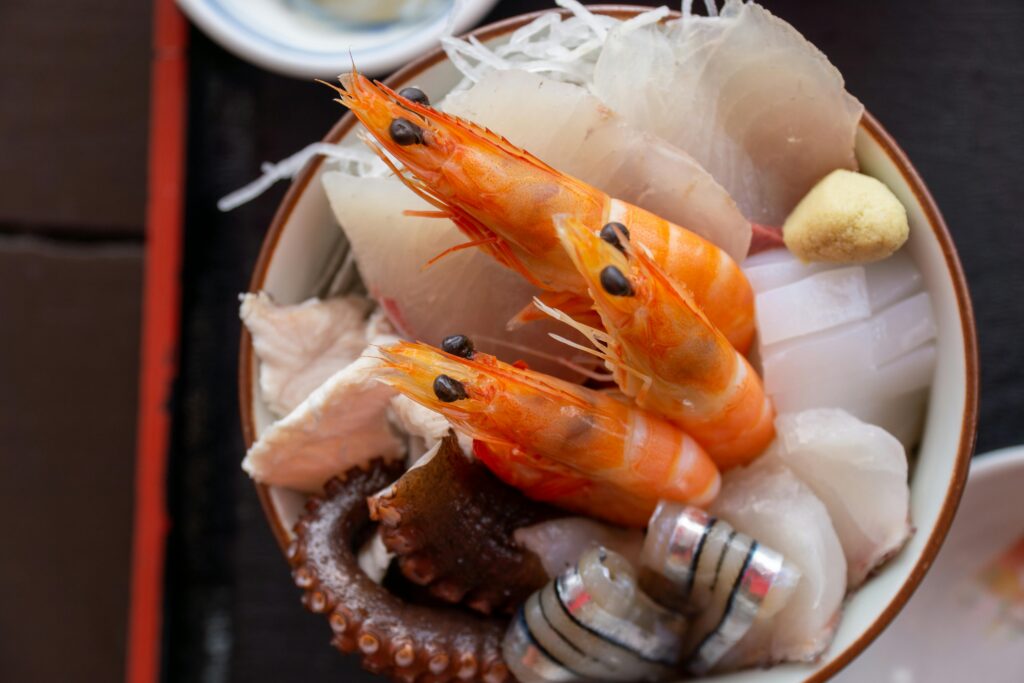
Our brain’s response to unconventional foods is a fascinating interplay between the amygdala, which processes fear and disgust, and the prefrontal cortex, which manages logic and learning. When we see something like a wriggling octopus, our primal brain screams danger, yet our higher thinking can override this with the promise of a unique culinary reward.
This cognitive reappraisal allows us to transform a negative visceral reaction into a thrill-seeking adventure. It’s the same mechanism that makes people enjoy horror movies or roller coasters; the safety of the dinner table allows us to flirt with biological boundaries and turn a moment of revulsion into a hit of dopamine-driven pleasure.
Preservation as a Culinary Art
Many dishes that outsiders consider disgusting food were born out of a brilliant necessity to make ingredients last through harsh winters or long journeys. Fermentation, salting, and drying are ancient technologies that transform raw materials into complex, flavor-dense foods that would otherwise rot.
When we look at a dish like Iceland’s fermented shark, we’re looking at a survival strategy that allowed a civilization to endure. These methods create pungent smells and unusual textures that are an acquired taste, also they represent a deep connection to the land and the history of human resilience.
The Global Language of Flavor
The beauty of global cuisine is that deliciousness is a universal concept, even if the road to get there looks a little different in every country. Chefs around the world use what some might call gross food to achieve the same balance of salt, fat, and acidity that we all crave in a high-end meal. That intense funk of shrimp paste or the bitter kick of certain herbs provides a depth that you just can’t get from safe ingredients alone.
By looking past the initial shock, we can see the skill and artistry required to balance these powerful flavors into something harmonious and beloved by millions.
The Evolution of the Modern Palate
As global travel and digital media shrink the world, our collective “ick” factor is undergoing a massive evolutionary shift. We’re moving away from the rigid food hierarchies of the past and embracing a more fluid definition of what’s considered gourmet.
What used to be dismissed as poverty food or bizarre snacks are now being elevated by Michelin-starred chefs who appreciate the complex textures and unapologetic funk of traditional preservation. This shift is a profound recognition of global ingenuity. We’re finally learning that the most challenging flavors often provide the most rewarding experiences, proving that our palates are far more resilient and adventurous than we ever imagined.
Respecting the Culinary Narrative
When we label a traditional dish as nasty food, we’re often unintentionally dismissing the history and identity of the people who created it.
Food is a language of love, memory, and community, and every weird ingredient has a story to tell about the people who first decided to cook it. Instead of focusing on the shock value, we should be asking why a certain flavor became a staple and what it represents to the people who serve it. Embracing the unknown is how we grow as global citizens, turning a moment of gross into a moment of genuine cultural connection.
Conclusion
The next time you encounter a dish that makes you want to look away, remember that disgusting is a perspective. Every gross food is a cultural masterpiece waiting for the right person to understand its context and appreciate its complexity. By breaking down these barriers, we’re learning to see the world with a little more empathy and a lot more flavor. After all, the most disgusting thing of all might just be a closed mind in a world full of incredible things to taste.
What’s the one food from your own culture that outsiders always seem to judge? Tell us in the comments or join the conversation on social media, let’s celebrate the weird flavors that make our cultures unique!