
In the modern parenting and caregiving landscape, the pressure to deliver perfection is overwhelming. We’re constantly bombarded with images of meticulously styled birthday parties, elaborate educational sensory bins, and gourmet school lunches cut into perfect star shapes. It’s easy to fall into the trap of believing that providing a magical childhood requires monumental effort and significant financial investment.
However, developmental psychology consistently points us back to a much simpler truth: children measure it through presence, predictability, and shared joy. By incorporating lighthearted routines such as sharing intentional birthday jokes for kids during major milestones or hiding comforting lunchbox jokes for kids in a backpack: we create a powerful, low-cost framework for a child’s emotional well-being.
Humor as an Emotional Safe Harbor
When an adult laughs with a child, a profound neurological shift occurs. Laughter releases endorphins and reduces cortisol, creating an immediate sense of safety. For a child, a grown-up who can be silly is a grown-up who is approachable and safe.
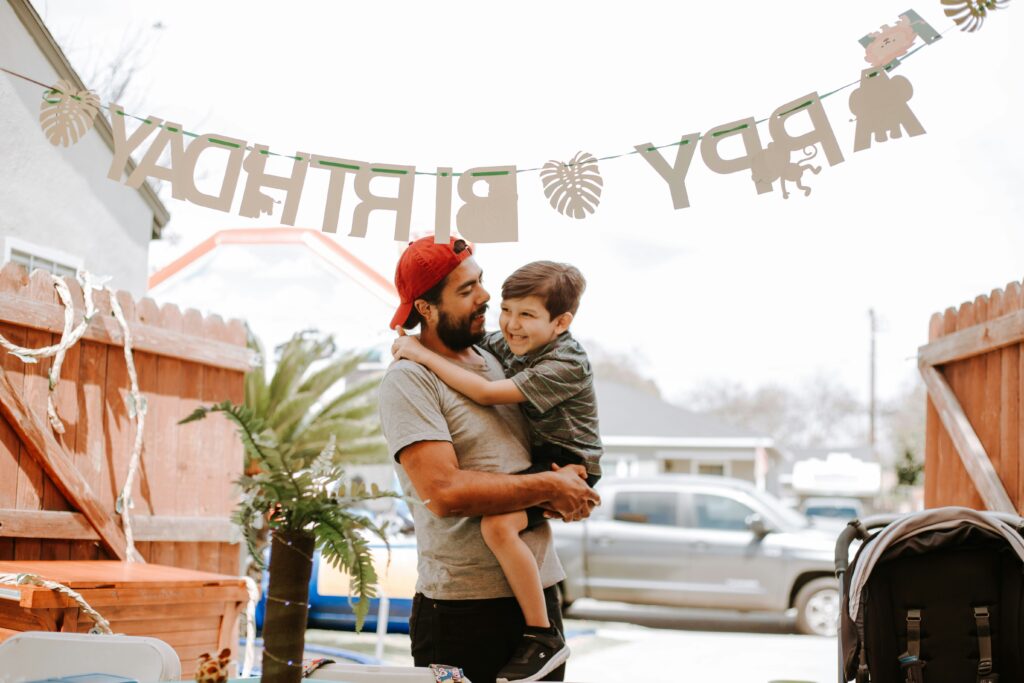
Using dedicated birthday jokes for kids during a high-energy, potentially overwhelming celebration provides a grounding anchor. Birthday parties can often induce sensory overload or performance anxiety for the guest of honor. Stepping away from the crowd for a quiet, goofy moment with a parent or favorite relative lowers the emotional temperature and reinstates a sense of calm security. When we share these tailored birthday jokes for kids, we’re telling the child that their joy matters more than the social expectations of the party.

The Power of Micro-Connections in the Daily Routine
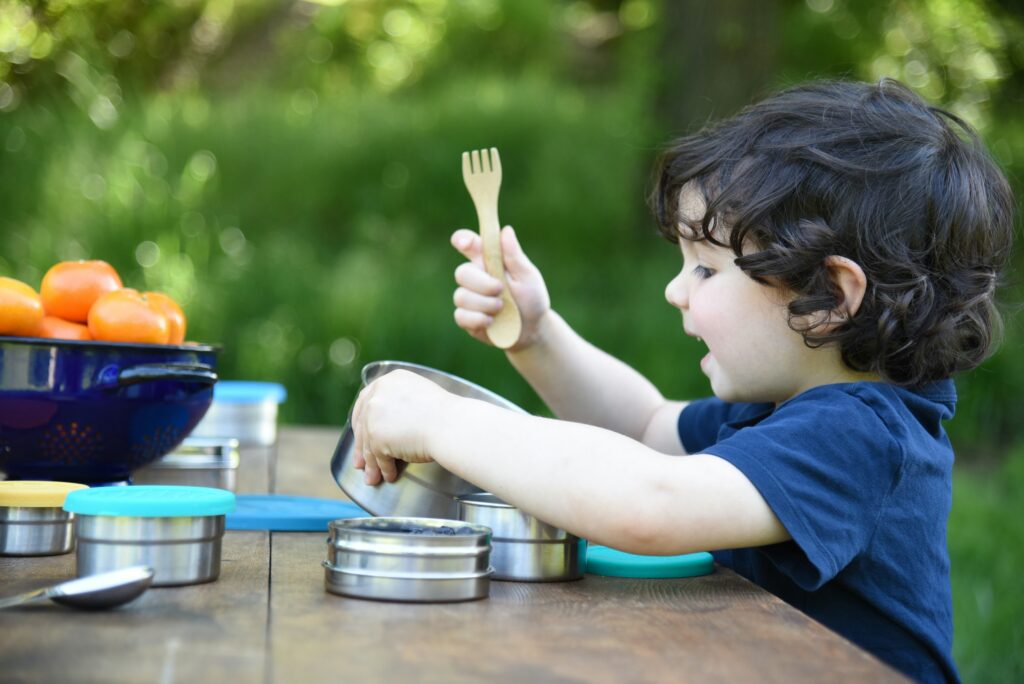
While major milestones matter, the mundane moments of a child’s week shape their internal monologue. The transition from the safety of home to the social and academic pressures of school can be jarring for many children. This is where the practice of leaving small notes, like classic lunchbox jokes for kids, becomes an emotional lifeline.
- Tangible reassurance: A joke tucked between a sandwich and a juice box serves as a physical reminder of home. It signals to the child that they’re loved and thought of, even in their absence.
- Social currency: Sharing funny lunchbox jokes for kids with peers at the cafeteria table helps children navigate social bonding, offering a gentle, pressure-free icebreaker in a crowded room.
- Reframing stress: Disrupting a stressful school day with a lighthearted punchline teaches children a vital coping mechanism: that humor can be used to handle tension and reset one’s perspective.
Competing for Attention in the Digital Era
Today’s kids are surrounded by rapid-fire content from TikTok and YouTube Shorts. Data from Common Sense Media indicates that children aged 8 to 12 consume an average of nearly 5 hours of screen time daily. This constant digital stimulation can easily detach them from real-world, mindful interactions.
Slapping a handwritten sticky note with lunchbox jokes for kids into their bag acts as a much-needed analog pattern interrupt. A physical piece of paper containing a silly joke forces a tangible moment of connection, anchoring their attention back to reality far better than a digital algorithm ever could.

Defusing Peer Pressure at the School Cafeteria Table
School is a complex social ecosystem, and the lunch hour can actually be the most isolating time of day for a child who is still finding their footing. Experienced parents frequently note that the cafeteria is where social anxiety peaks. This is where a clever note featuring lunchbox jokes for kids serves as a social tool. When a child reads a joke out loud to the classmate sitting next to them, the shared laughter instantly dissolves tension, breaking the ice naturally and turning a solitary lunch into an opportunity for community.
Combating Perfectionism and Academic Performance Anxiety
Research from the American Psychological Association (APA) highlights a worrying rise in performance anxiety and a fear of failure among younger children. When adults maintain a strict, hyper-serious demeanor, children internalize that pressure.
Intentionally introducing ridiculous birthday jokes for kids during their milestones sends a crucial message: life isn’t a series of graded tests. Embracing pure, unpolished silliness lowers their psychological defenses, teaching them that being resilient and knowing how to laugh at oneself is infinitely more valuable than being flawless.

Building Resilience, One Punchline at a Time
When we prioritize humor over perfection, we model emotional resilience. Children who grow up in environments where silliness is celebrated learn that it’s safe to make mistakes, look foolish, and laugh at themselves. They learn that affection isn’t conditional on flawless behavior or academic achievements.
The next time you find yourself stressing over the perfect gift wrap for a party or the nutritional balance of a school meal, take a breath. Remind yourself that the most lasting gift you can offer is connection. Dust off a few cheesy birthday jokes for kids, print out some simple lunchbox jokes for kids, and lean into the pure, unpolished joy of laughing together. In the grand scheme of their lives, those tiny, shared giggles are the exact materials that core memories are made of.
Let’s Chat!
What’s the absolute go-to joke that always makes the kids in your life crack up? Are you team sticky note in the lunchbox, or do you prefer being the designated birthday party comedian? Drop your funniest, cleanest kid-approved punchlines in the comments below, or screenshot this list and share it to your family group chat to save another adult’s morning sanity!