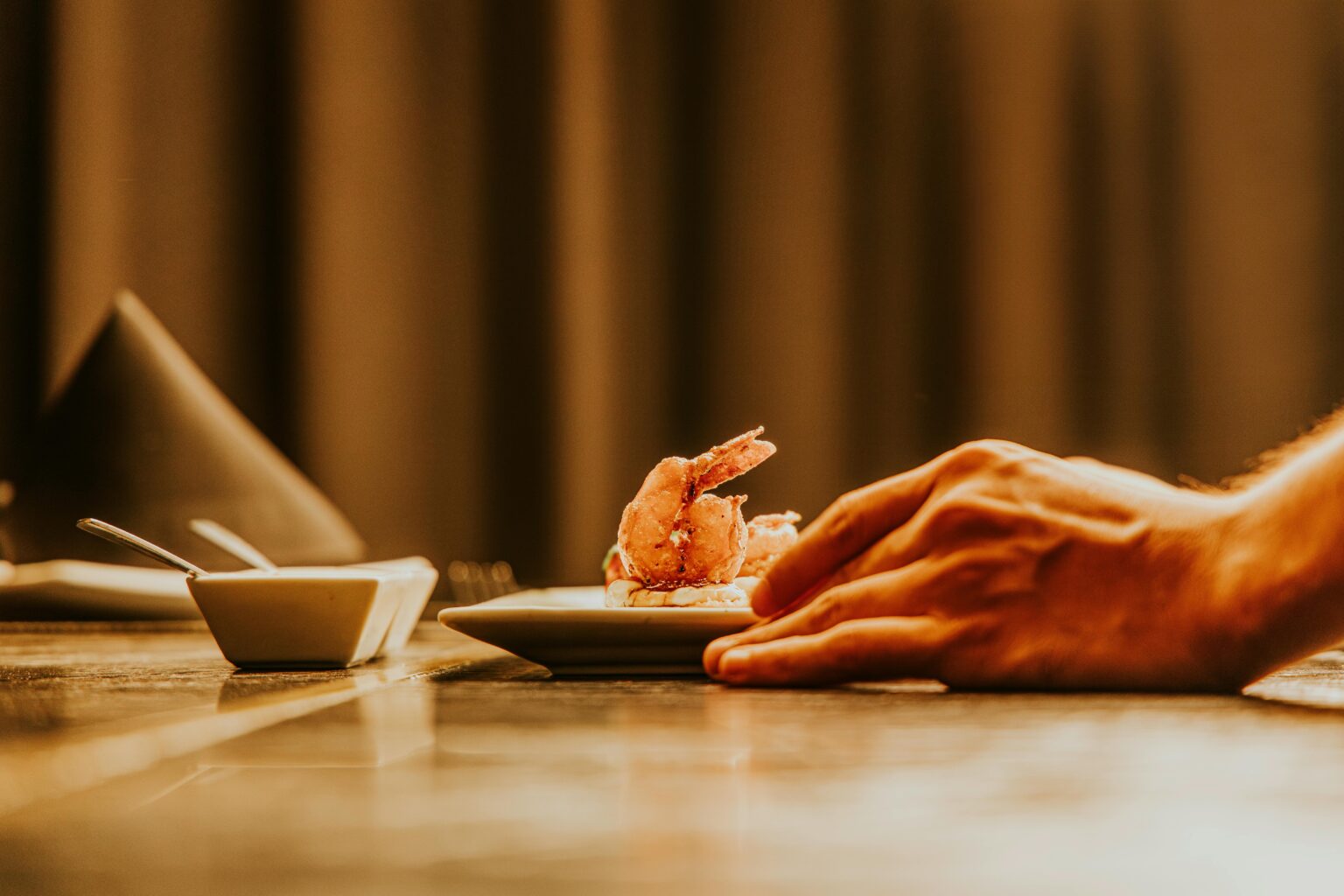
The modern kitchen is becoming a laboratory for the obscure, the forgotten, and the undeniably strange. We’ve entered an era where the most prestigious chefs are moving away from luxury staples like caviar and wagyu in favor of unique foods that tell a story of terroir and biological rarity. This shift toward weird food isn’t about shock value; it’s a sophisticated movement to reconnect diners with the raw, unfiltered diversity of the planet.
By sourcing ingredients that most people have never heard of, high-end gastronomy is pushing the boundaries of what we consider fine dining.
The Rise of the Foraging Chef
In the past, a chef’s skill was measured by how they handled a French sauce, but today, it’s measured by their ability to identify a rare lichen or a specific coastal succulent. This obsession with unique foods has led to a new breed of culinary explorer who spends as much time in the forest or on the shoreline as they do behind the stove.
These ingredients bring flavors to the plate that are impossible to replicate with commercial produce, offering a sense of place that is both fleeting and unforgettable. It’s a return to our roots through a lens of extreme technical precision and artistic plating.

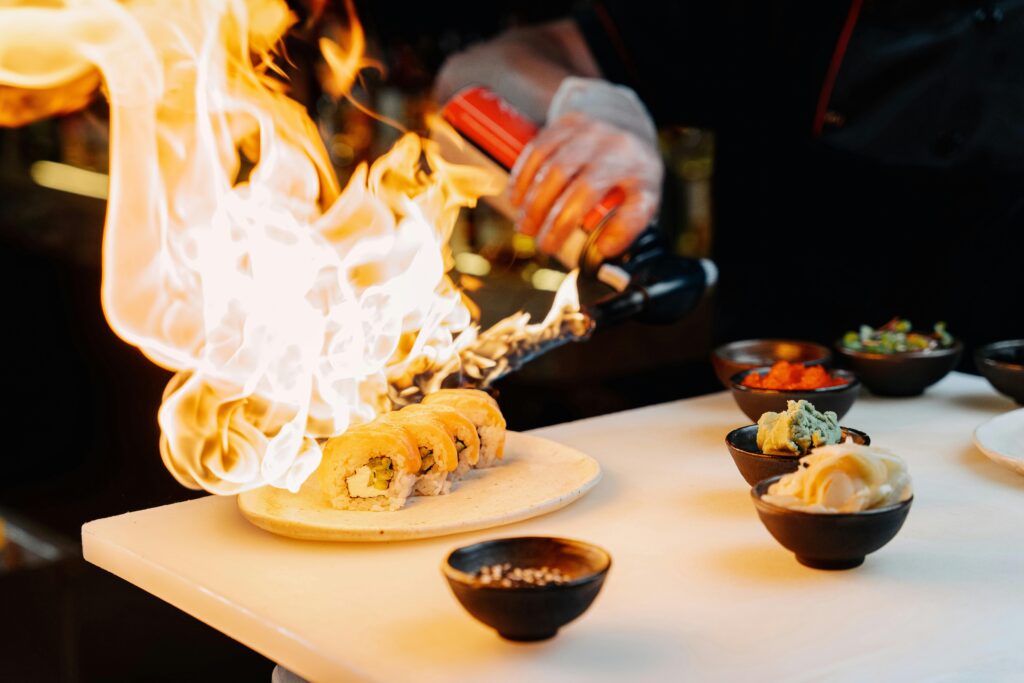
Ancestral Foraging in Modern Gastronomy
In the dense forests of the Pacific Northwest, world-class chefs are now hunting for ghost pipes, a rare, translucent white plant that looks more like a fungal alien than a flower. Utilizing such unique foods is reviving ancestral knowledge and bringing forgotten flavors back to the modern palate. These chefs are rewriting fine dining menus by looking backward, sourcing weird food that indigenous cultures have respected for centuries.
This practice connects the diner to the raw, uncultivated history of the land, offering a taste experience that’s impossible to find in any commercial supply chain and turning a simple meal into a lesson in botanical heritage.
Innovation Through Unorthodoxy
When a top-tier restaurant puts a funny-looking root or a fermented insect on the menu, they’re engaging in a form of culinary storytelling. These unorthodox elements force the diner to abandon their preconceived notions of good or bad and focus entirely on the sensory experience at hand.
Utilizing weird food allows chefs to play with textures and acidity levels that traditional ingredients simply can’t provide. It’s about finding the hidden potential in the overlooked, proving that a common weed or an oddly-shaped fruit can be just as complex and rewarding as a truffle when handled with the right expertise.
The Ugly Produce Movement: From Waste to Wonder
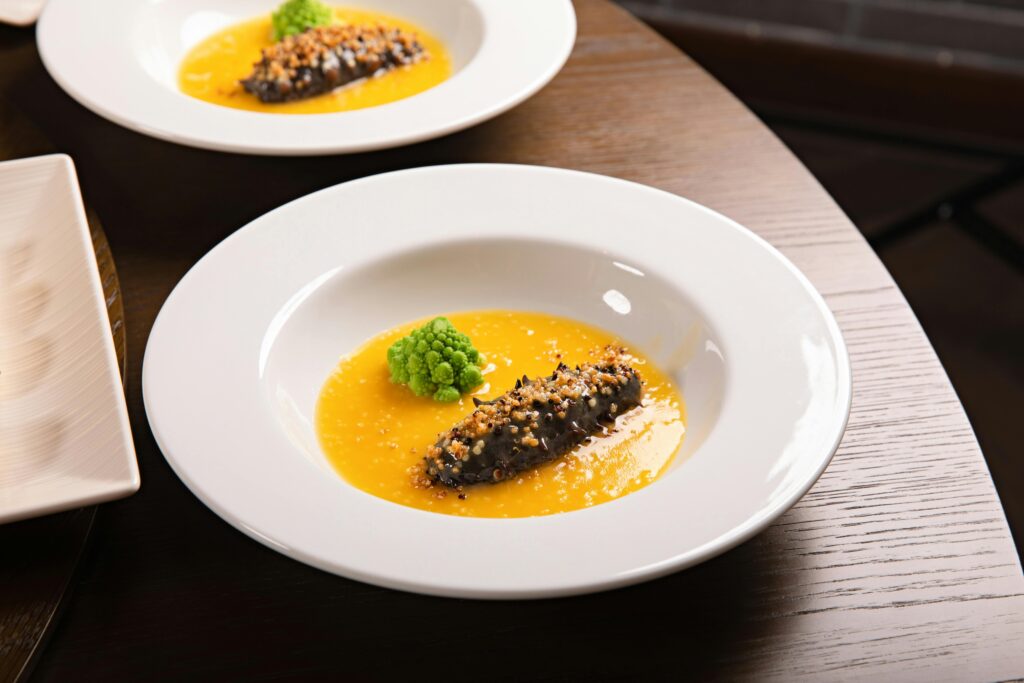
At a high-end bistro in Copenhagen, diners are being served misfit carrots with multiple legs and scarred apples that would’ve been rejected by any traditional supermarket. This trend is part of a larger movement to embrace weird food as a solution to global food waste. By intentionally featuring oddly shaped produce, chefs are teaching us that ugly doesn’t mean bad. These unique foods pack more concentrated flavor than their watered-down, symmetrical counterparts found in industrial farms.
It’s a powerful shift in perspective that turns a visual flaw into a badge of authenticity and environmental responsibility, proving that true beauty and taste lies beneath the surface.
The Sustainability of the Strange
Beyond the flavor, the movement toward unique foods is deeply tied to the necessity of biodiversity and sustainable sourcing. By popularizing obscure ingredients, chefs are helping to preserve plant species and traditional farming methods that might otherwise disappear under the weight of industrial agriculture.
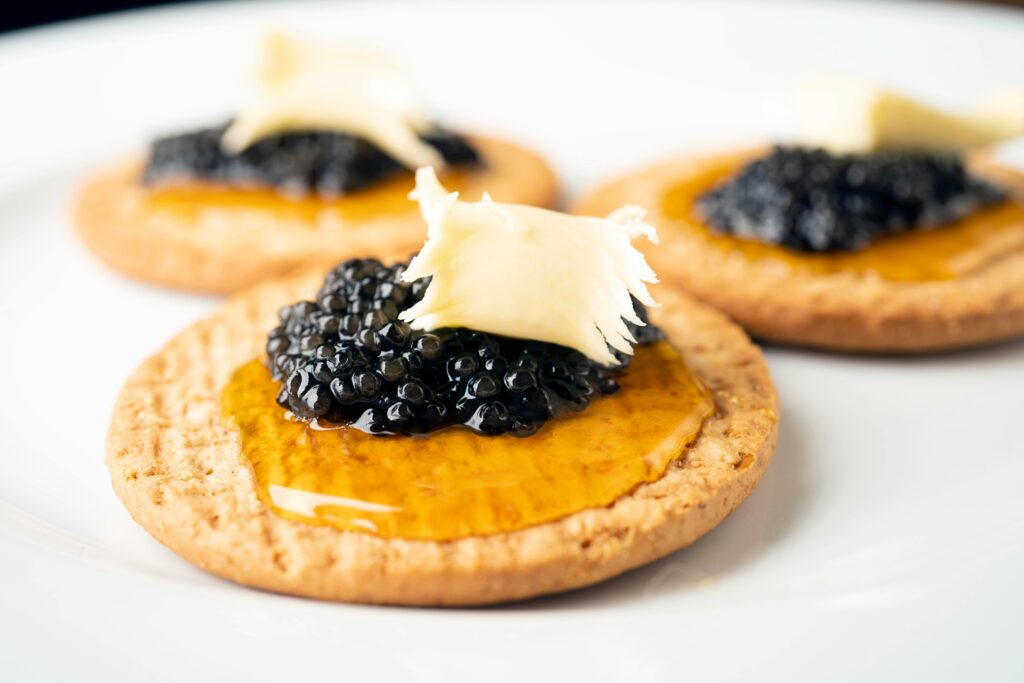
This weird product requires less water or fewer pesticides because it’s naturally adapted to its specific environment, making it a more ethical choice for the conscious kitchen. It turns the act of eating into a form of activism, where every bite supports a more diverse and resilient food system.
Scientific Innovation and the Lab to Table
Inside a sleek, minimalist restaurant in San Francisco, a guest is served a steak grown from a single cell of a cow, or perhaps a burger made entirely from air-protein and volcanic microbes. While these might sound like funny foods from a sci-fi novel, they’re at the forefront of culinary innovation. High-end gastronomy is increasingly looking toward the laboratory to discover weird food sources that are both sustainable and ethically revolutionary.
By transforming unorthodox elements like algae or fermented fungi into gourmet experiences, scientists and chefs are collaborating to redefine the very definition of natural ingredients. It’s a bold new frontier where technology and taste collide to ensure the future of food is as diverse as it is delicious.
Conclusion
The exploration of unique foods is a testament to the endless curiosity of the human spirit and our refusal to be bored by the familiar. As we continue to forage the extraordinary, we’re discovering that the line between a weird ingredient and a luxury one is thinner than we ever imagined. The future of fine dining is the thrill of tasting something that feels like a secret whispered by the Earth itself. After all, in a world where everything is accessible, the rarest luxury of all is the taste of the truly unexpected.
What’s the most unusual ingredient you’ve ever seen at a market or on a menu? Tell us your stories in the comments or tag us in your weirdest food finds on TikTok, let’s find the extraordinary together!