








The modern world is heavily obsessed with the concept of polished charm, sharp wit, and highly calculated communication. Adults spend a massive amount of energy trying to look completely unbothered, efficient, and perfectly organized in every aspect of life. Social media platforms are flooded with highly curated advice on parenting and lifestyle standards, preaching a rigid strategy of keeping up appearances. Past generations often internalized this pressure, hiding their true struggles behind closed doors and maintaining a stiff, stoic authority because showing unfiltered vulnerability felt like a direct sign of weakness.
When you observe the way an adult interacts with a young child, a beautiful psychological shift happens instantly. The moment a parent, teacher, or older sibling sits down to share simple animal jokes for kids or silly cow jokes for kids, the rigid adult ego completely melts away. Children operate on a frequency of pure, raw transparency. Diving into the inner workings of a child’s developing brain during these moments of shared laughter reveals an incredible blueprint for mental grounding, emotional safety, and radical authenticity that adults desperately need to relearn.
Inside a Child’s Neurological Playground
When a child hears a goofy punchline about a singing whale or a painting cow, their brain experiences an explosive flash of neurological activity. Unlike adult minds that are hardwired to scan for hidden agendas or performative standards, a child processes humor through a lens of pure wonder. Laughter triggers an immediate flood of dopamine and dropping cortisol levels, creating a profound sense of internal security in their nervous system.


Adult Mind: High defenses, calculating responses, fear of looking foolish.
Child Brain: Open vulnerability, instant emotional release, radical warmth.
By introducing simple, unpretentious jokes into a child’s world, adults create an environment where perfection drops the heavy emotional stakes and builds a rock-solid foundation of safety. It teaches a developing brain that the world is a welcoming place where making mistakes, acting silly, and showing raw emotion are celebrated parts of being alive.
Finding Sunshine in the Carpool Chaos
For example, when a parent is driving the morning school carpool and the traffic hits a massive standstill, the kids start bickering in the backseat, and the clock is ticking closer to the final bell, the natural adult reaction is to spiral into stress, snap at the kids to be quiet, and let anxiety ruin the entire atmosphere. Instead of letting that negative energy take over, turning around to drop a completely ridiculous cow joke completely changes the track before the tension can boil over.
Choosing to laugh at these daily friction points does something amazing for an adult’s brain while providing an immediate sense of safety for the kids. It pulls your mind out of a stressful mental spiral and forces you to stay present in the moment. Your children will look back and remember a chaotic morning ride that was filled with shared warmth and giggles, rather than a rigid, defensive commute.

Why Pure Vulnerability Is a Green Flag
Many adults grew up under rigid rules where a parent’s word was absolute and showing real, messy emotions was off-limits. Breaking away from that cold approach means learning how to step out of that serious, robotic adult role. When you share a silly, unpolished punchline with your children, you instantly drop the exhausting corporate facade and bridge the generational gap.
- It pulls down the emotional walls: A sudden, shared laugh wipes out the invisible boundaries that cause children to hide their true feelings from their parents.
- It teaches real-life confidence: Watching a parent completely commit to a ridiculous voice or a goofy animal sound proves to a child that looking silly is actually a superpower.
- It proves your bond is unbreakable: Playful moments show your kids that your relationship can survive mistakes, messy rooms, and chaotic days with absolute patience and warmth.
Turning Muddy Meltdowns into Shared Laughs
For example, when a toddler accidentally knocks over a full glass of milk, turning the dinner table into a massive disaster area right as you’re trying to pack up for a busy evening, losing your temper feels almost automatic. However, stopping yourself to make a quick, silly joke about a clumsy farm animal completely resets the energy in the room.
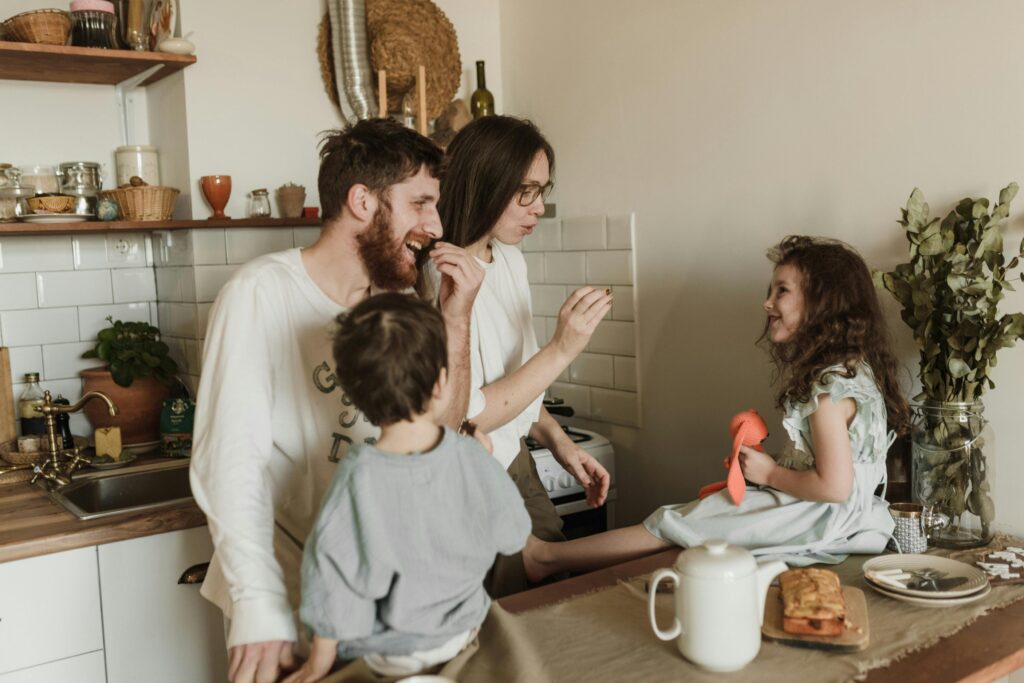
Handling an unpredictable mess with a lighthearted attitude tells your children that unexpected disasters aren’t the end of the world. It strips away the fear of judgment and replaces it with an authentic connection. This tiny shift saves your family from an evening blowout and protects your collective mental health from unnecessary burnout.
Your Kids Just Want the Real You
True intimacy requires navigating uncomfortable, unpolished moments together. When you choose to survive the daily hurdles with your mental health intact, you unlock a wave of genuine creative renewal. When you lean into shared, lighthearted laughter with a child, you’re building a relationship based on real presence rather than a strict performance. You’re showing the next generation that love is unconditional, resilient, and completely packed with joy.
Setting the Ego Free
Healing the generational pressure of rigid authority starts with something as small as a goofy punchline. By choosing to step inside the beautiful, unpolished world of a child’s imagination, you set yourself free from the myth of perfection. You clear out the mental clutter of adulthood and give the children in your life the greatest gift possible: a happy, grounded, and deeply connected role model.
How did your little ones react to these goofy punchlines? Do you have a go-to family joke that always triggers a massive round of giggles in your house? Let’s swap our best kid-approved jokes in the comments below!


