






Breakup pain usually doesn’t show up the way people think it will.
Most of the time, it isn’t dramatic. There aren’t always tears or long emotional conversations or some clear moment where everything falls apart.
A lot of the time, it’s quieter than that. It’s just this dull weight that follows you through the day.
You wake up, go about your routine, and everything looks normal on the outside, but something feels off underneath it.
You can know why the relationship ended and still feel unsettled by it.
You can understand the reasons, agree with them, even feel like the breakup was necessary, and still feel caught off guard by how much it hurts.
That’s usually the part that confuses people the most. If it made sense to end, why does it still feel like this?
We tend to think pain should line up with logic.
If we can explain the breakup clearly enough, the emotional part should calm down too. But breakup pain doesn’t really work that way.
It doesn’t care how reasonable the ending was or how long you saw it coming. It doesn’t fade just because you’ve told yourself the right story about what happened.
It shows up anyway.
A big part of the pain comes from losing the shape your life had when they were in it.
Without realizing it, your days had started to organize themselves around certain expectations, such as who you’d talk to, what you’d look forward to, how tomorrow was supposed to feel.
Relationships quietly teach your nervous system what’s safe, what’s familiar, what it can rely on without checking in with your thoughts first.
When that familiarity disappears, your body reacts before your mind has time to make sense of it.
That’s why breakup pain so often feels physical.

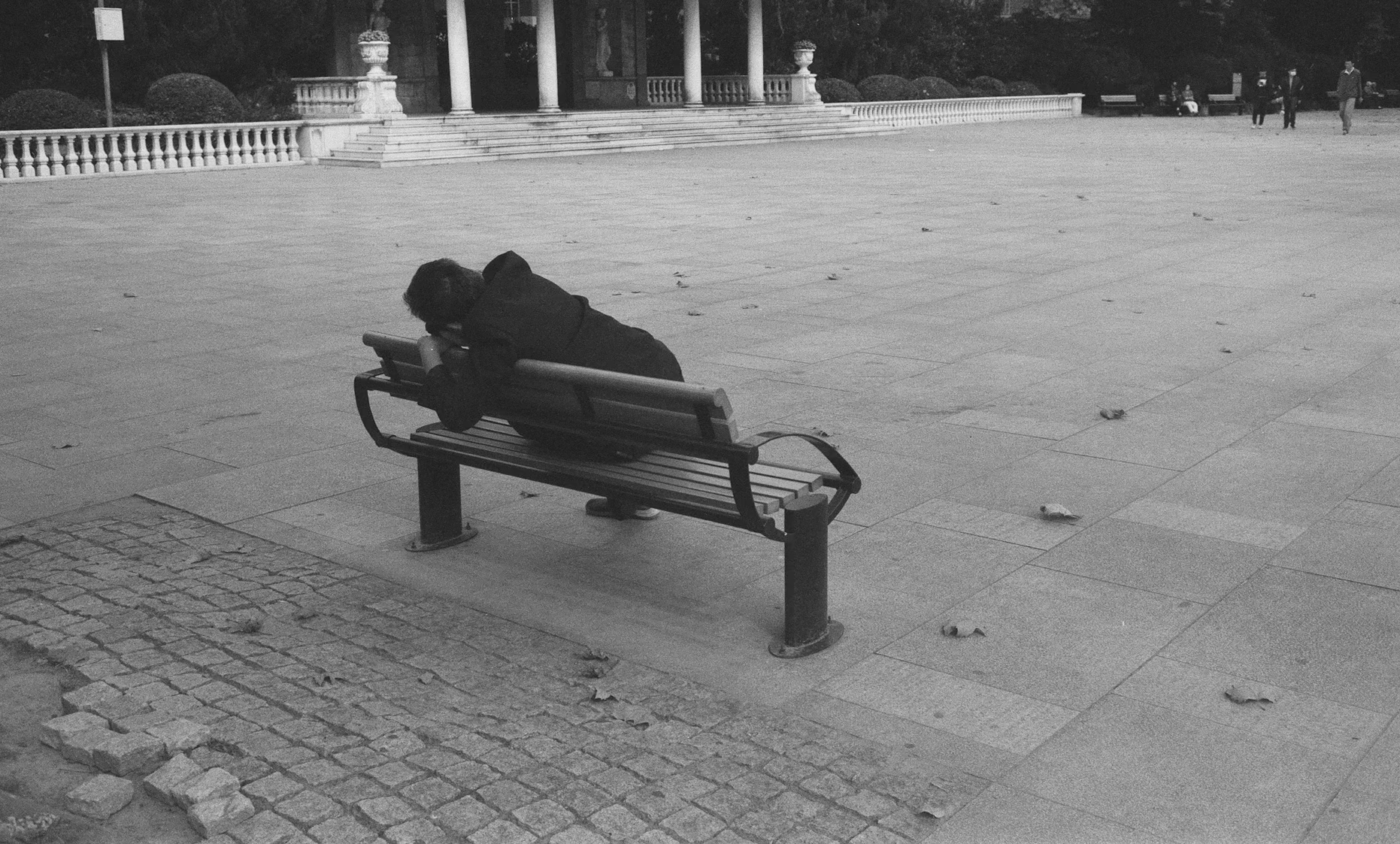
The tight feeling in your chest that comes out of nowhere. The restlessness that makes it hard to sit still. The way sleep gets lighter or more fragmented.
The low-level anxiety that hangs around even when you aren’t actively thinking about the relationship.
It can feel embarrassing, almost, because it seems bigger than what you think you should be feeling by now.
The body responds first, registering the sudden change. Even relationships that weren’t great still created continuity.
They gave your mind a sense of what came next, a quiet expectation of tomorrow.
When that continuity breaks, there’s a gap, and your system feels that gap as loss. The weight came from what had become familiar.
Sometimes the pain isn’t a thought at all.
It’s waking up and realizing your body already knows before you do.
The heaviness is there before any memory shows up. Before you’ve told yourself anything about what happened.
This is also why relief and pain often exist at the same time.
You can feel lighter and still ache. You can feel freer and still miss something. Ending something that needed to end doesn’t erase the impact of ending it.
Knowing it was the right choice doesn’t undo attachment. In some cases, it even makes the loss feel sharper, because once the decision is final, there’s nothing left holding the structure together.
The relationship stops being something you’re living inside and becomes something you carry instead.
There’s also a kind of pain that has less to do with missing the other person and more to do with missing yourself as you were in that relationship.
The version of you who texted them first thing in the morning. The version who automatically included them in plans. The version who was oriented toward a shared future without consciously thinking about it.
When a breakup happens, that version of you doesn’t disappear cleanly.
It lingers, and noticing its absence can hurt even if you don’t actually want the relationship back.
That’s why people sometimes say they miss the routine more than the person.
Or why certain moments feel strangely empty, even when there’s no desire to go back. The pain often comes from losing orientation.
Your life has been arranged around certain emotional reference points, and a breakup shifts those just enough that, for a while, nothing quite lines up.


Pain also tends to stick around longer when it isn’t acknowledged. Breakups don’t always come with permission to hurt.
There’s often an unspoken expectation that you should be okay quickly, especially if the relationship wasn’t long or wasn’t healthy.
You’re supposed to frame it as growth, learn the lesson, move on.
When your pain doesn’t fit that script, it’s easy to turn it inward and start questioning yourself, like why am I still hurting, what’s wrong with me, why can’t I just let this go?
However, breakup pain is part of your system learning how to live without something it once depended on.
That learning process isn’t neat, and it isn’t fast.
It happens in uneven ways, through repetition, through emotional waves, through moments that feel out of place compared to how your life looks now.
That’s why pain can show up again when you least expect it, on ordinary days, long after the relationship has technically ended. Parts of the experience are still finding where to settle.
Pain doesn’t always point to being stuck. Sometimes it’s just the system taking time to adjust to a shift that meant something.
Understanding this doesn’t make the pain disappear, but it can take some pressure off. It can make the pain feel less like a personal flaw and more like part of a process that hasn’t finished yet.
Some days, the pain feels out of proportion to the moment you’re in. That’s usually the part people don’t know how to talk about.
There are times when pain doesn’t need a solution. It just needs to be noticed without being rushed away.
And sometimes, understanding why something hurts is enough to let it hurt without turning it into a judgment about how strong you are or how far along you think you should be by now.
Editorial closing
Sometimes pain doesn’t mean something is wrong. It means something mattered enough to change the shape of your life.
And your system is still learning how to stand in that new shape.
If this feels familiar, the next piece looks at why this kind of pain doesn’t fade smoothly, and why it often comes back in waves, even when you think you’re finally doing okay.


