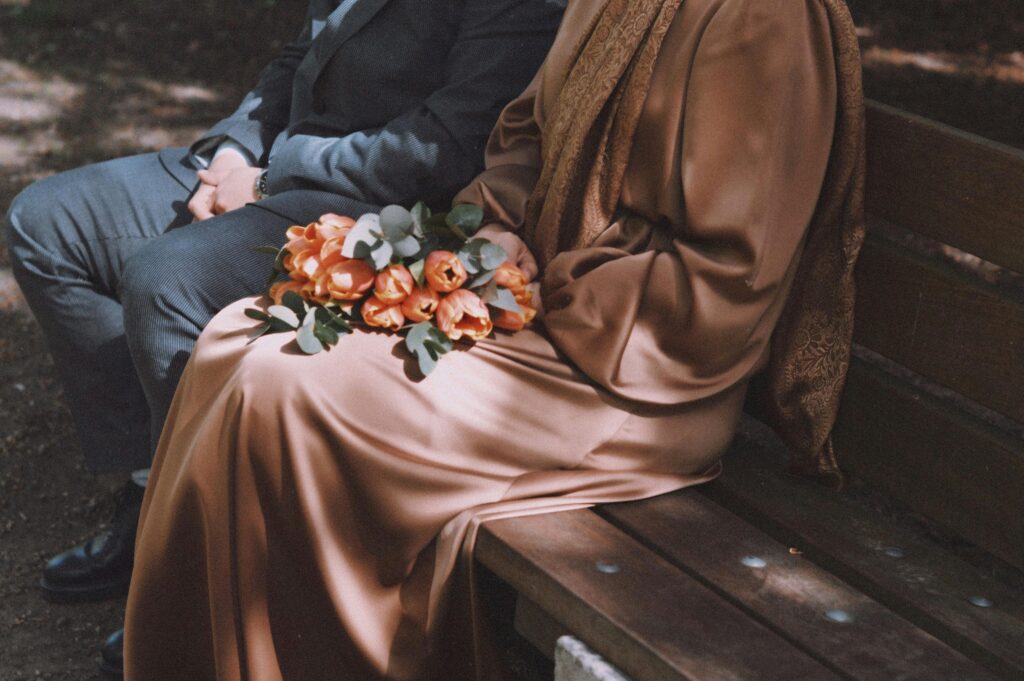
The traditional timeline of dating, engagement, and wedding bells has officially lost its monopoly on commitment.
A growing number of long-term partners are reaching the ten-year mark with a mortgage, a dog, and a shared life, but zero interest in a marriage license. This is a deliberate choice to decouple lifelong loyalty from a legal institution that feels increasingly outdated.
Staying unmarried has become a way to keep a relationship opt-in rather than locked in. It replaces a state-sanctioned contract with a daily, personal agreement to show up.
For many, the certificate in the drawer adds nothing to the intimacy in the room, and the risk of a messy legal exit feels like a distraction from the actual work of loving someone.
The “If It Isn’t Broken” Philosophy
For couples like Sarah and Marc, who have shared a mortgage and a dog for 6 years, the idea of a wedding feels like a solution to a problem they don’t have.
They describe their relationship as a daily choice rather than a legal obligation: “We already have the joint bank account and the IKEA furniture arguments,” Sarah says: “Adding a piece of paper feels like invite-only stress for a life we’ve already built.”
This perspective treats the relationship as a living organism that doesn’t need a ceremony to prove its health. For many, the lack of a marriage license acts as a reminder to never stop dating their partner.

When there’s no legal exit fee, you tend to pay more attention to the daily maintenance of the connection.
The Financial Roommate Reality
Sometimes the choice to skip the altar is about a spreadsheet. In an economy where student loans and credit scores dictate your future, merging finances legally can feel like a high-stakes gamble.
Take Alex and Jamie, for example, one is a freelance designer with fluctuating income; the other is a corporate lawyer with a mountain of debt.
They live together in a rented apartment in Brooklyn and plan to stay that way indefinitely: “Legally tying our credit scores together right now feels like a horror movie plot,” Jamie explains.
They’re avoiding a bureaucratic headache that could sink their individual financial goals. For them, being partners is a way to support each other without the risk of mutual financial ruin.
The Opt-In Emotional Contract
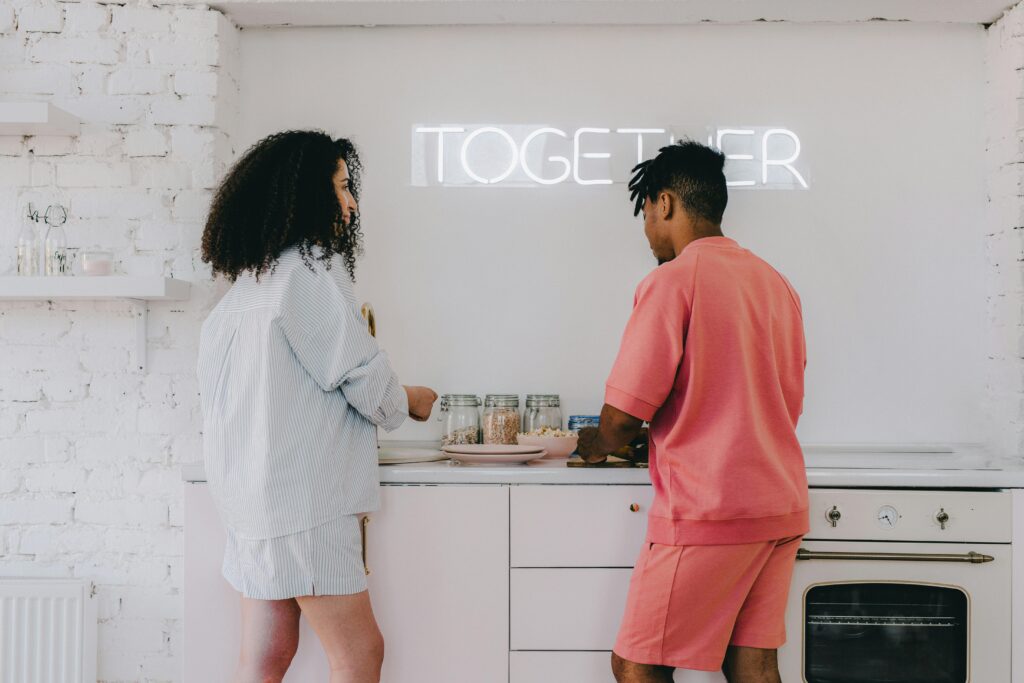
Beyond the logistics, there is a psychological layer to staying unmarried, it shifts the narrative from “We’re together because we have to be” to “We’re together because we want to be.”
In a world where divorce is common and often messy, some couples view marriage as a distraction from the actual work of loving someone.
They prefer a contract that is written in their own words, based on shared values and mutual respect rather than a centuries-old tradition. By removing the external pressure of the wife or husband label, they find more room to define their own roles on their own terms.
Takeaway: A Note On The Daily Choice
It’s important to recognize that staying unmarried means the foundation is built on different materials.
Whether it’s a fear of the legal system or a belief in personal autonomy, the choice to remain committed but not married is a valid way to navigate the modern world.
Stability is found in the simple decision to keep showing up for each other every single morning.
Next Steps
Understanding why so many couples are choosing this path is the first step toward redefining what a successful relationship actually looks like.
If you’re wondering if your own opt-in life is the right move, it might be time to look at the deeper mechanics of this choice.
Read the Full Guide: Understanding the Modern Marriage Contract Feels Like a Bad Deal for So Many